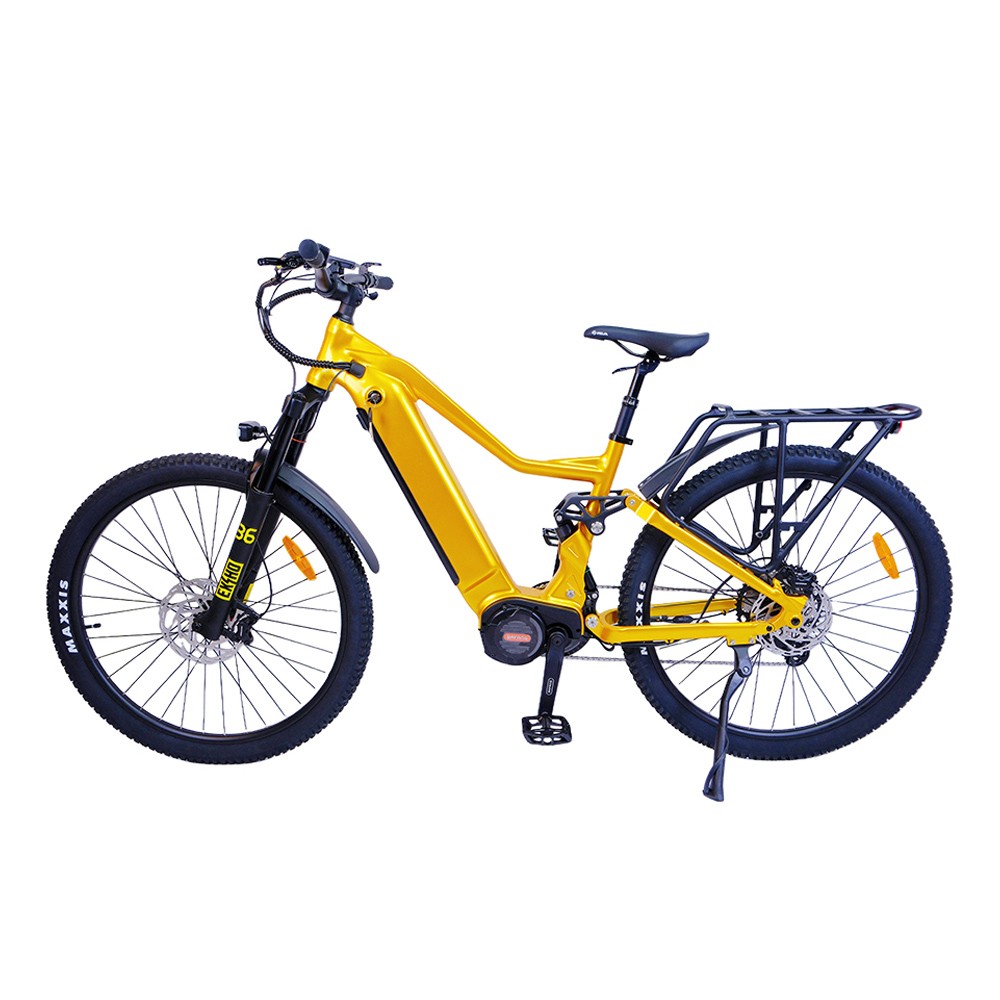
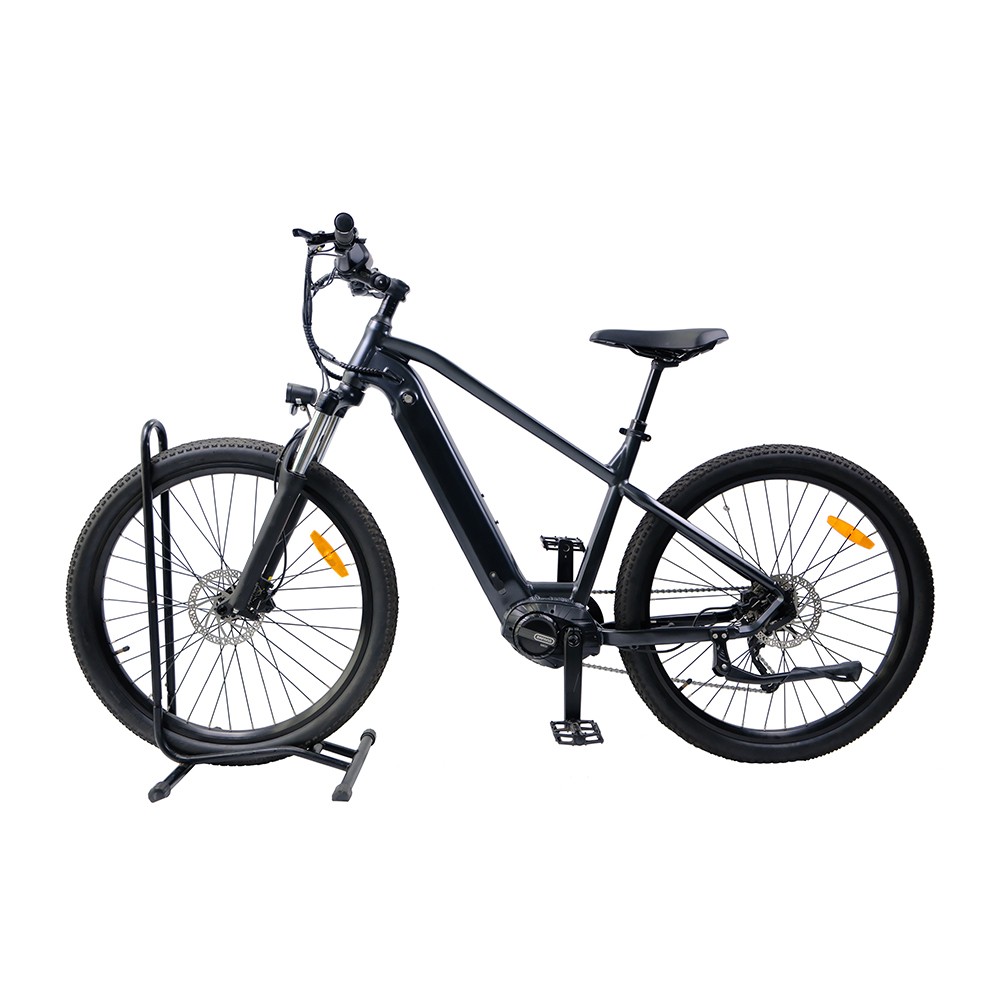
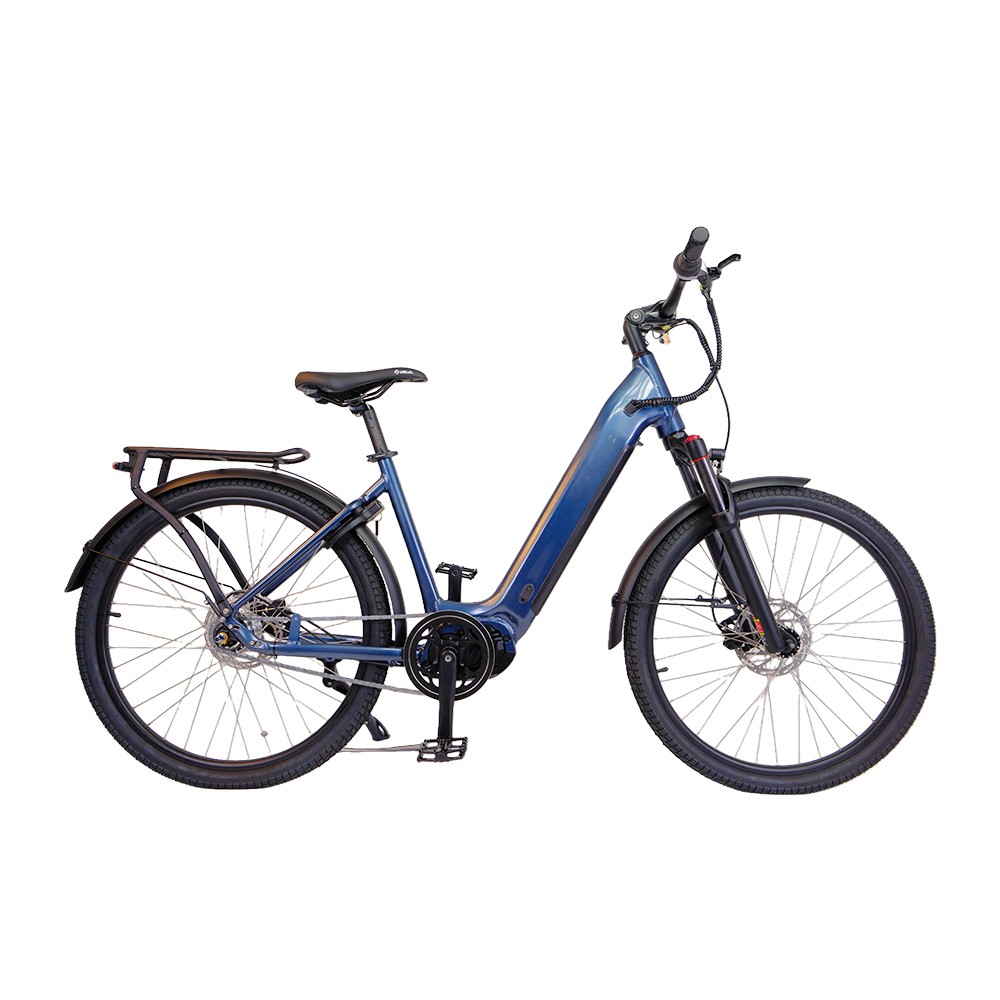
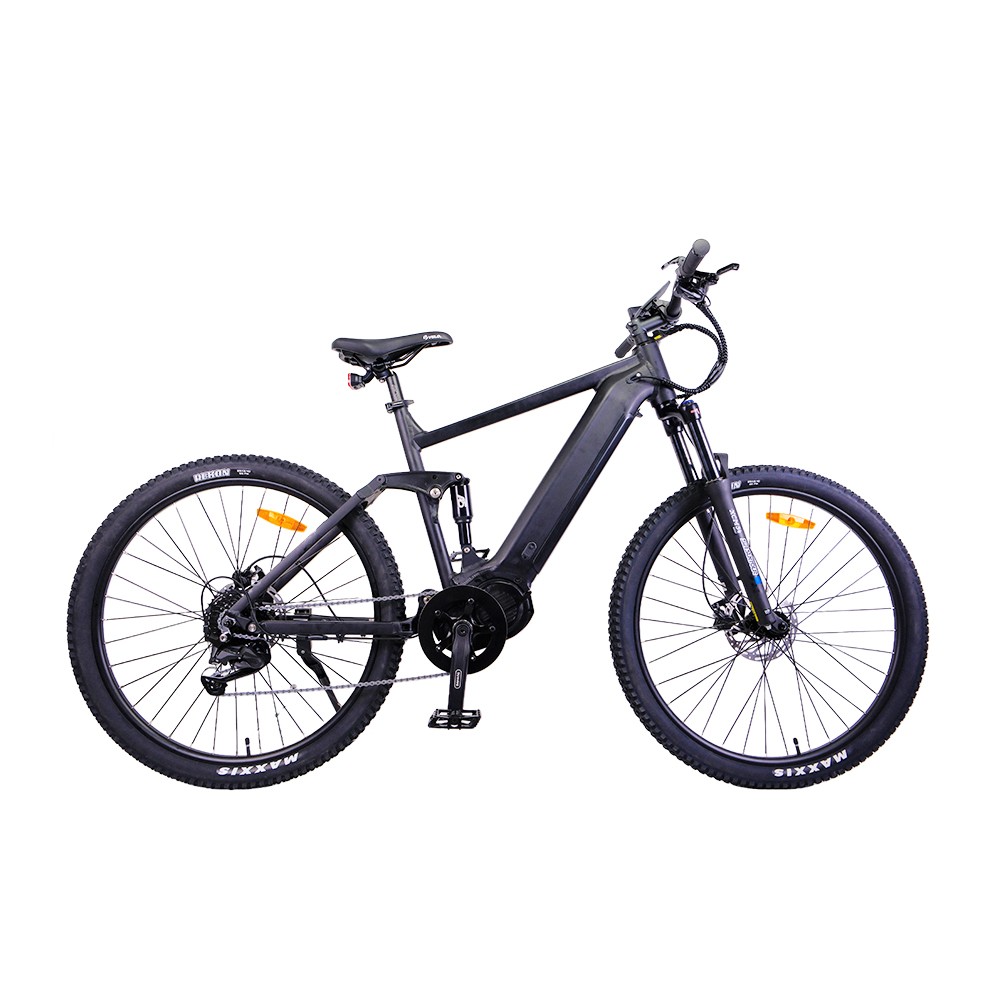
Logistics companies are investing heavily in electric cargo bikes to drastically lower last-mile delivery costs, bypass strict urban vehicle bans, and meet aggressive corporate carbon-reduction deadlines.
This technology allows fleet operators to immediately render a bike useless if a rental session ends, if a subscription payment fails, or if tampering is detected.
Rental companies manage large e-bike fleets by using centralized software platforms paired with specialized field logistics to maintain high vehicle uptime and prevent asset loss.
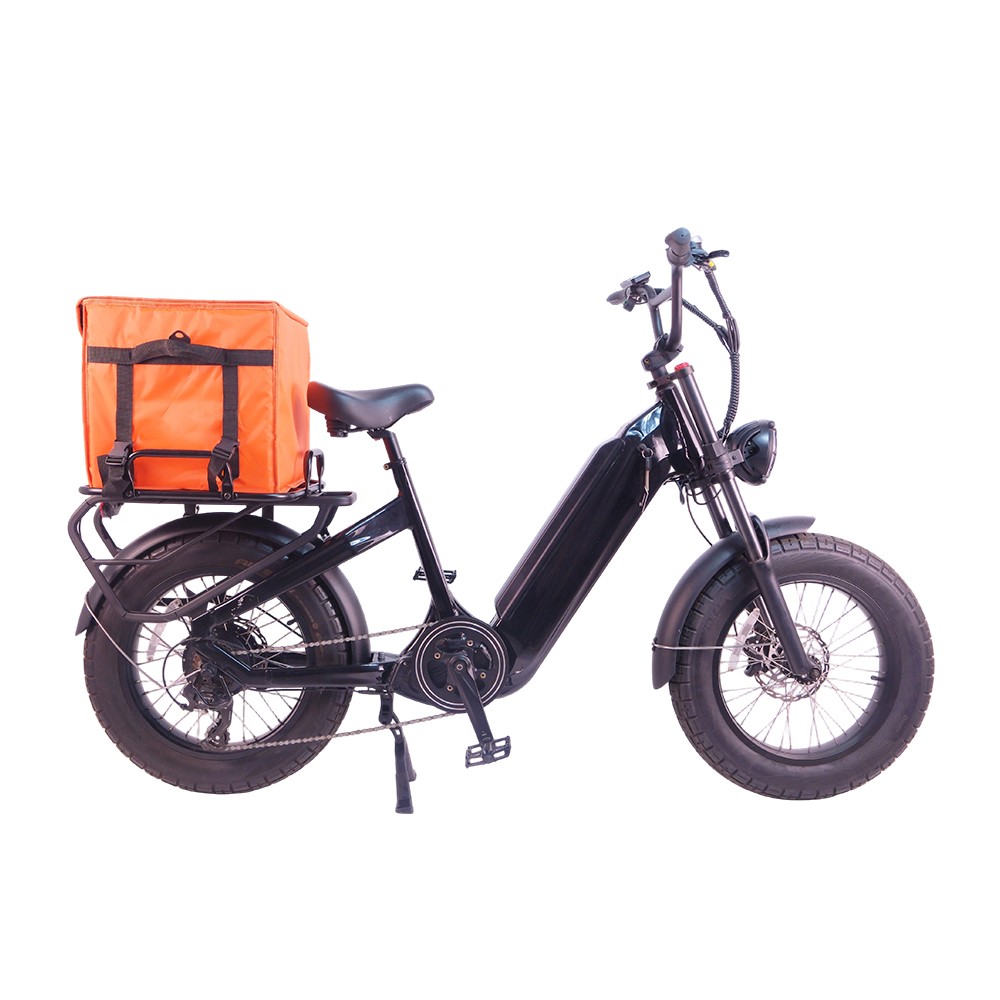
Delivery riders prefer electric bikes because they maximize hourly earnings by combining the speed of a motorized vehicle with the agility and low operating costs of a bicycle.
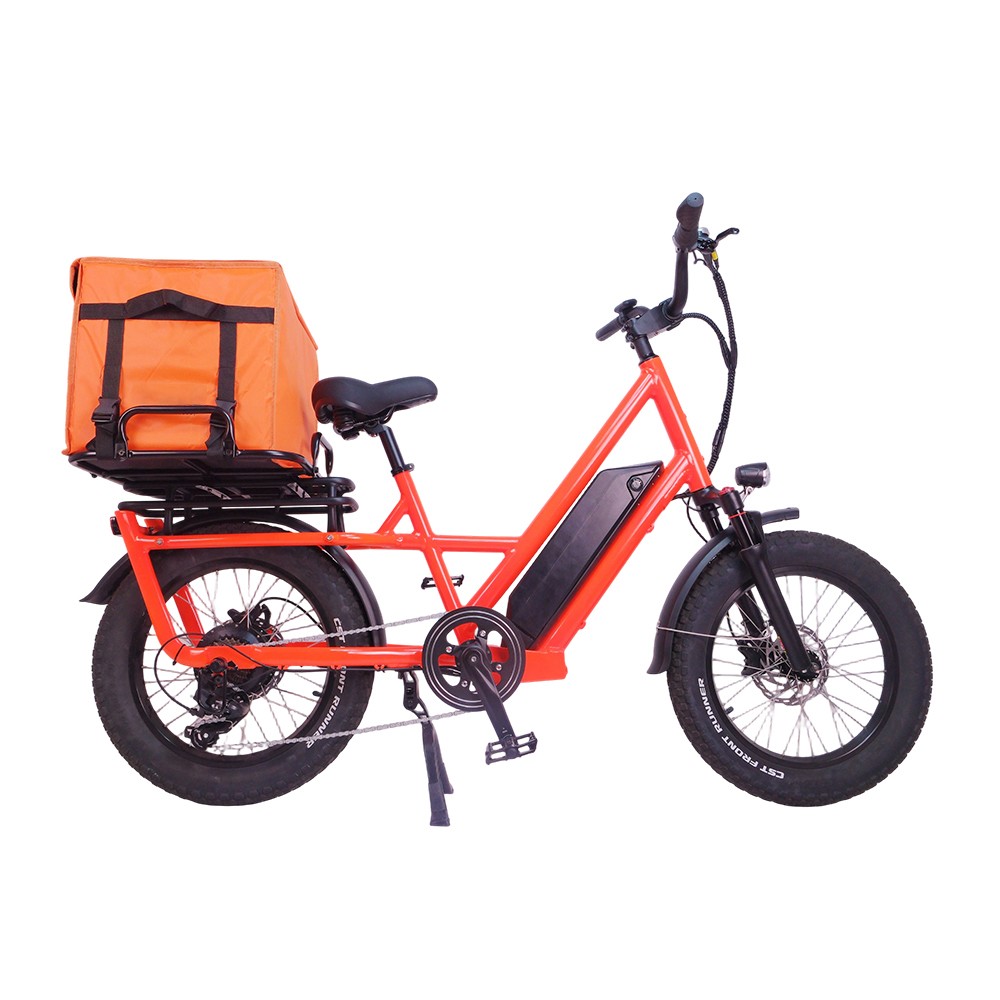
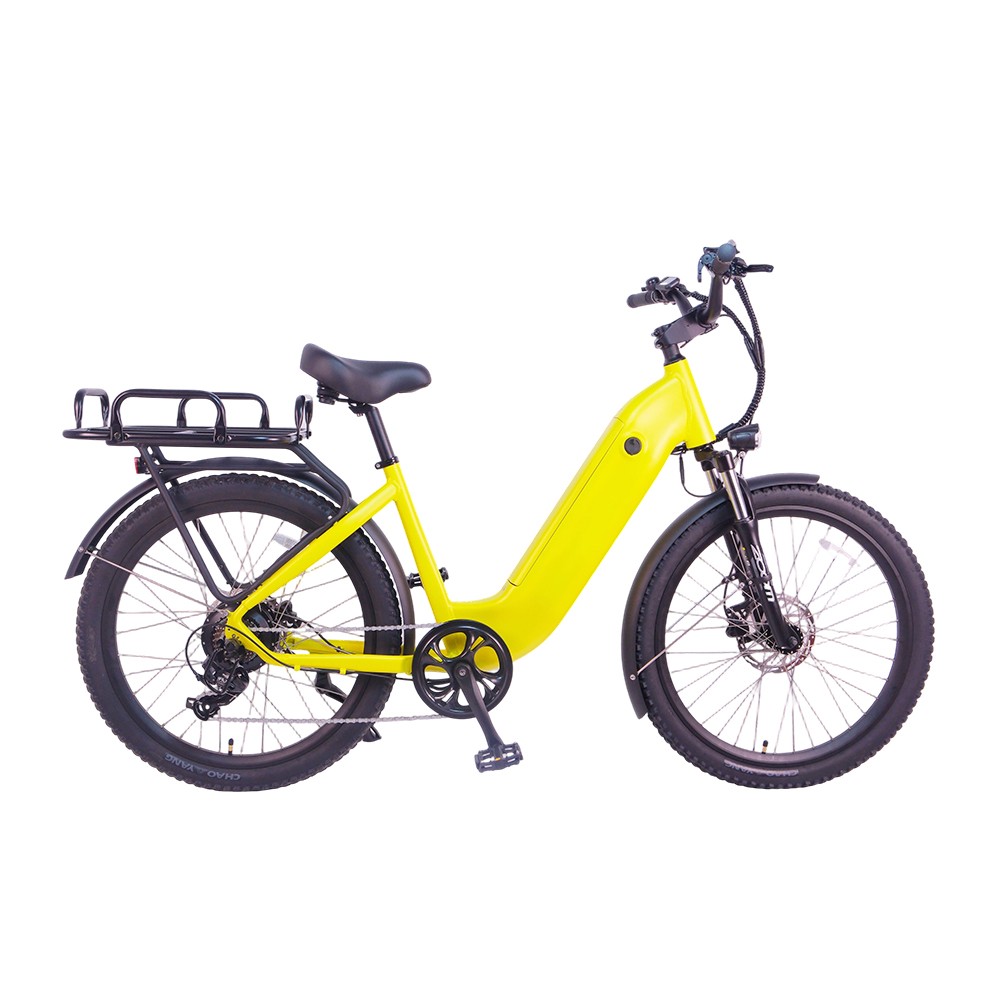
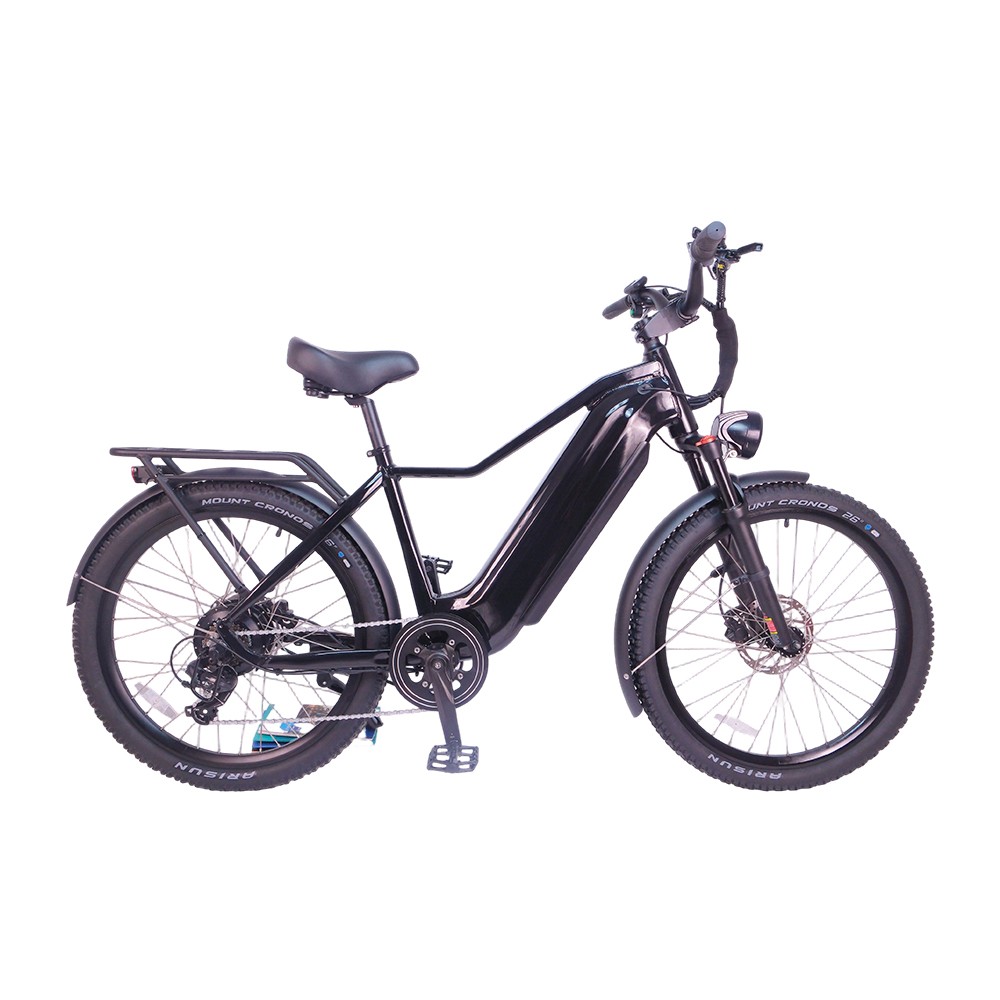
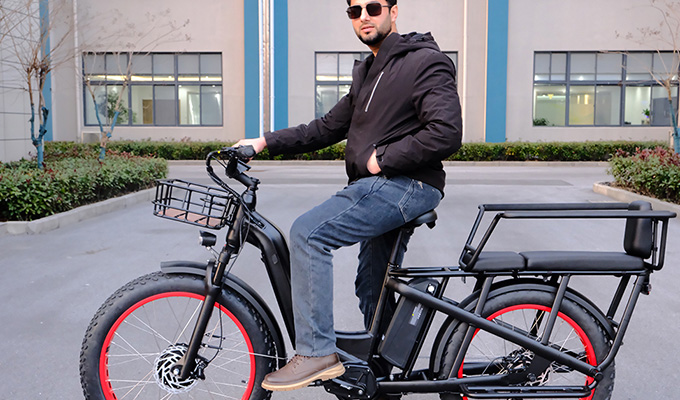
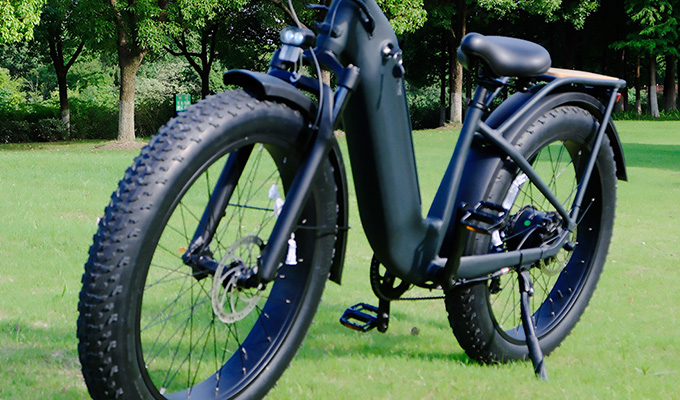
The most critical features a delivery e-bike must have are high battery capability, hydraulic disc brakes, and a reinforced cargo racking system.
To build a realistic financial model for an e-bike delivery fleet, you must separate Capital Expenditures (CapEx) from recurring Operating Expenses (OpEx).
Food delivery platforms and commercial logistics fleets are rapidly replacing traditional gas scooters and vans with commercial e-bikes.
An IoT(Internet of Things) E-bike is an electric bicycle embedded with smart sensors, a cellular connectivity module, and a microcomputer that connects the bike to the internet in real time.
The best e-bikes for rental fleets prioritize component longevity, low maintenance, universally accessible frames, and reliable motor networks.
The better choice between a food delivery bike and a scooter depends entirely on your delivery environment, upfront budget, and local traffic laws.
A user-facing mobile app for the subscriber, a rider app for maintenance/delivery, and a backend fleet management platform for the operator.
A delivery E-bike API connects your fleet hardware, rider apps, and dispatch engines to sync real-time battery diagnostics, GPS coordinates, and vehicle controls.
They are managing expensive, highly vulnerable assets operated by high-turnover gig or shift workers in punishing urban environments.
There are two main types of pedal assist systems (PAS): torque and cadence sensing.
Riding your new electric bike is worrying about getting a ticket or a fine?
Contact our salesman ,who can give you some professional suggestions and find the balance for you.
Electric bikes are gaining popularity all over the world because of the many benefits that they offer. They are easy to use, are more efficient and also great for the environment.
Electric bikes are becoming more common as the demand for them increases. They are also becoming more energy efficient as technology evolves.
As discussed above, there are two main types of self-charging electric bikes. Those that use braking and those that use downhill riding to capture energy.
If you see someone riding a sleek-looking bike without exerting any effort to pedal, be it in the woods or the city, chances are you are looking at the glorified electric bikes.