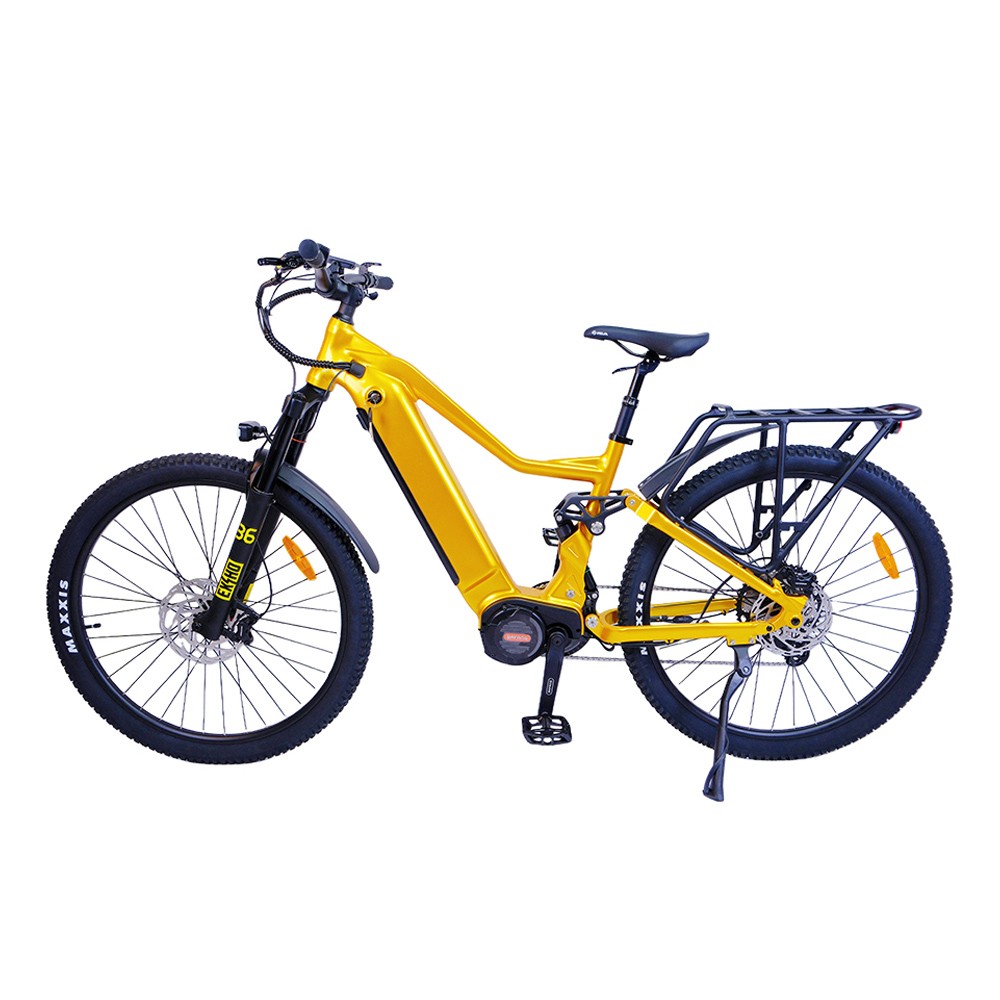
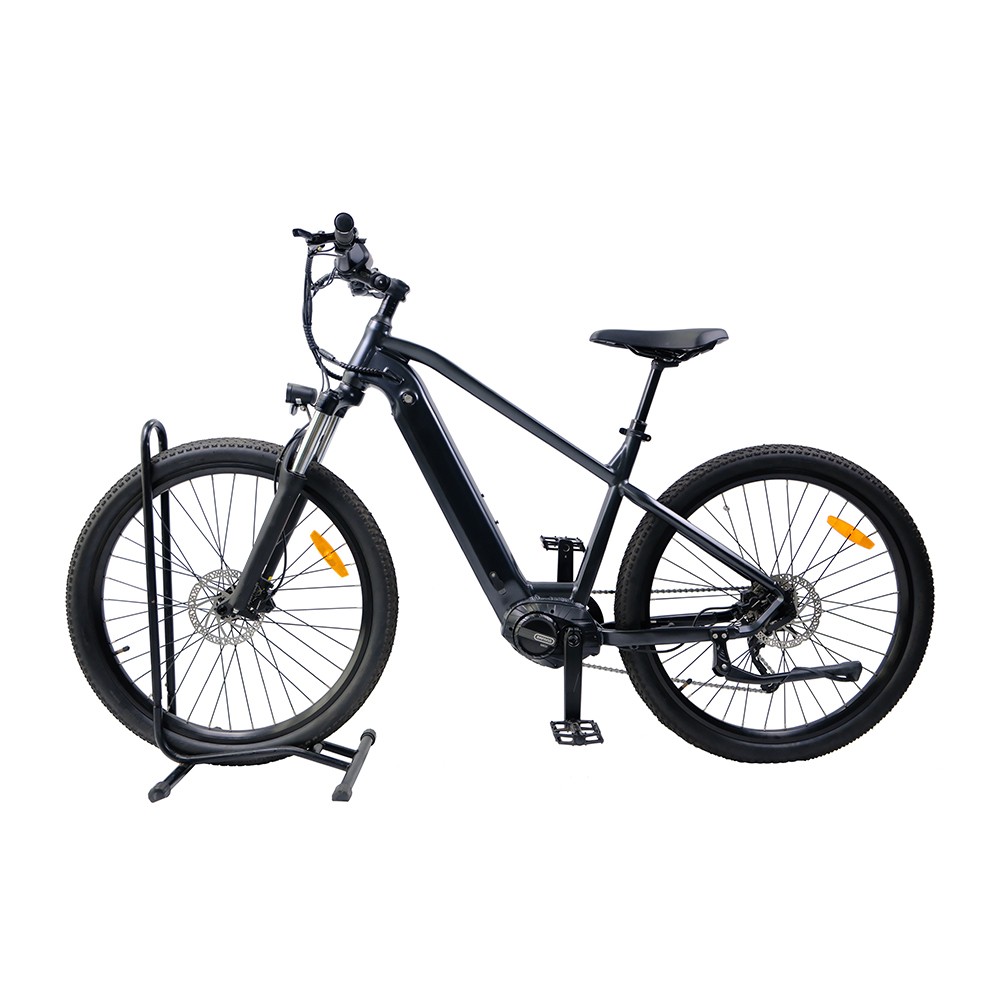
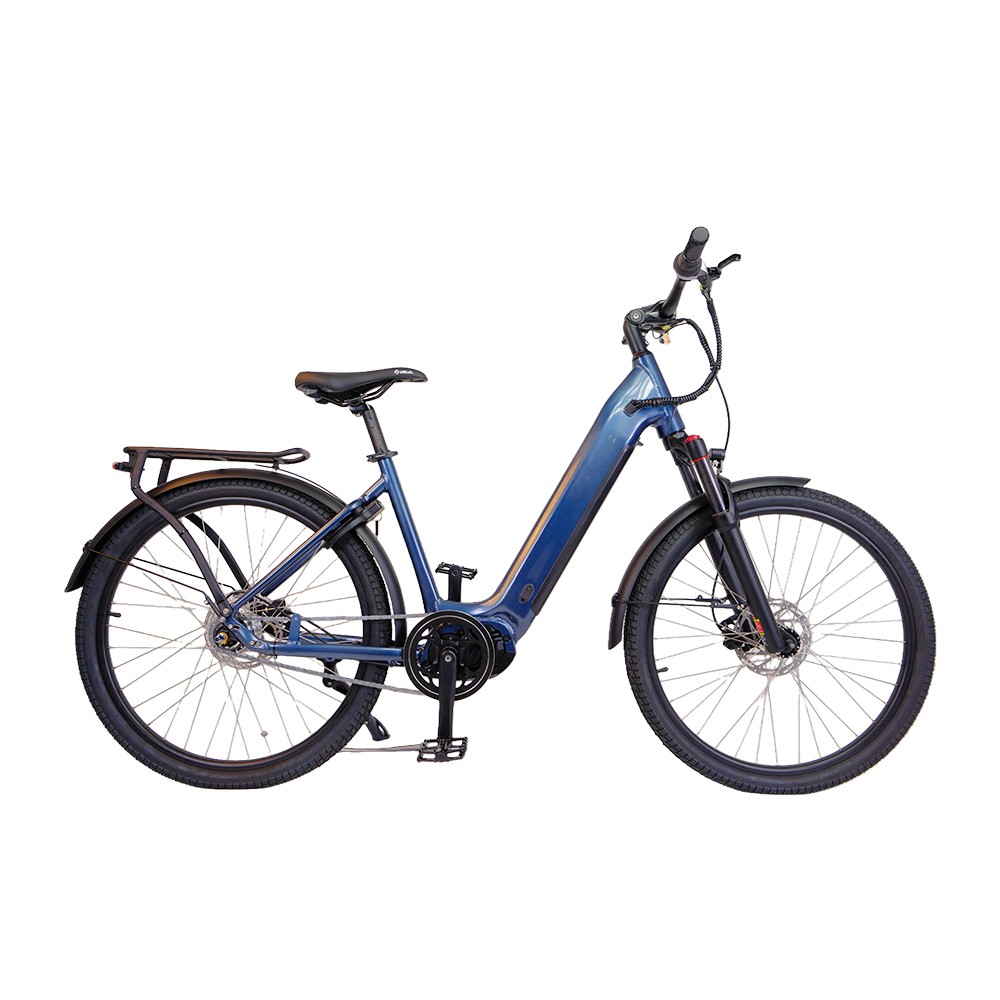
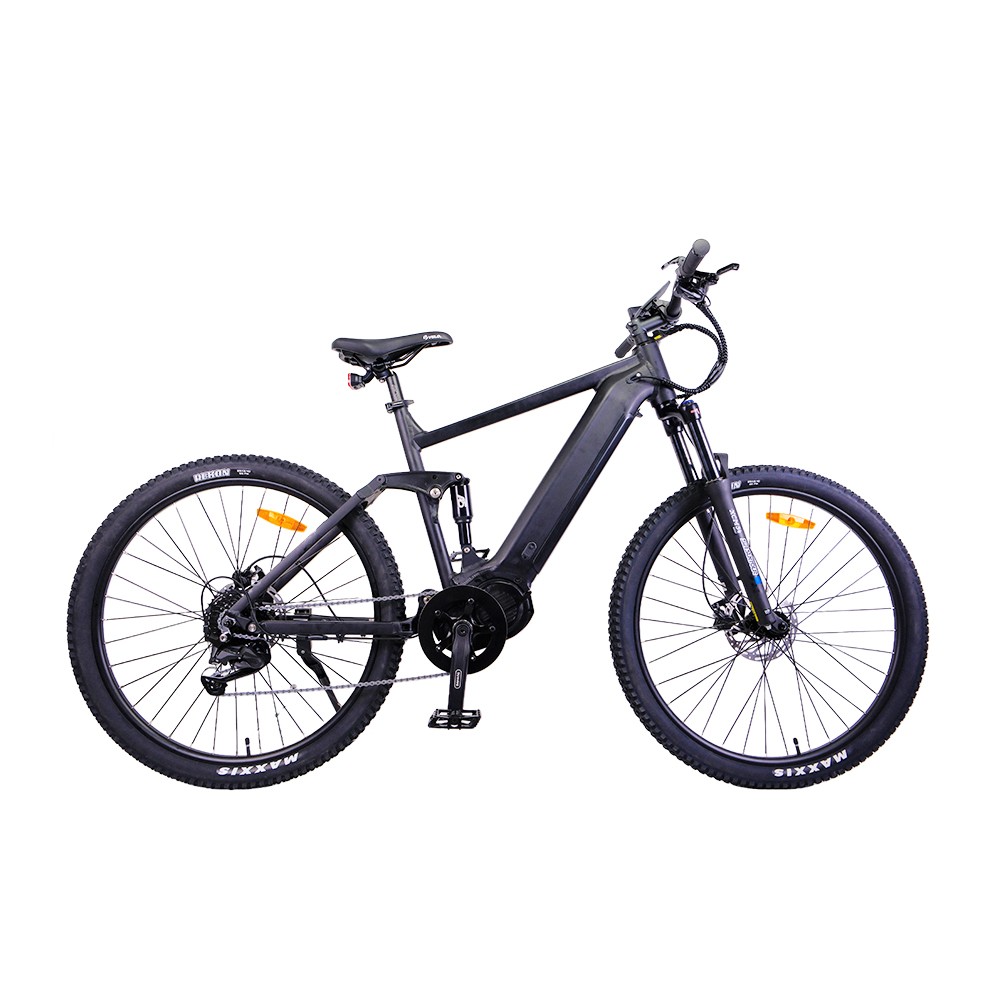
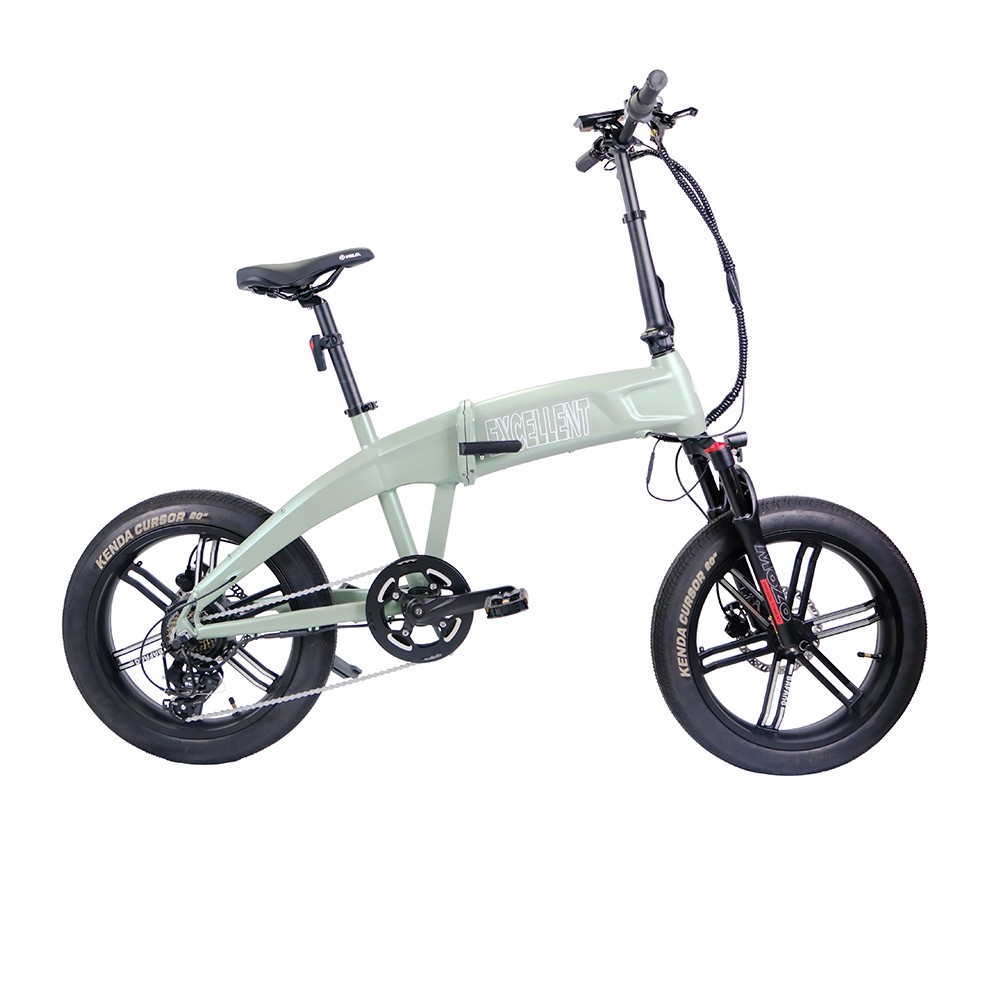
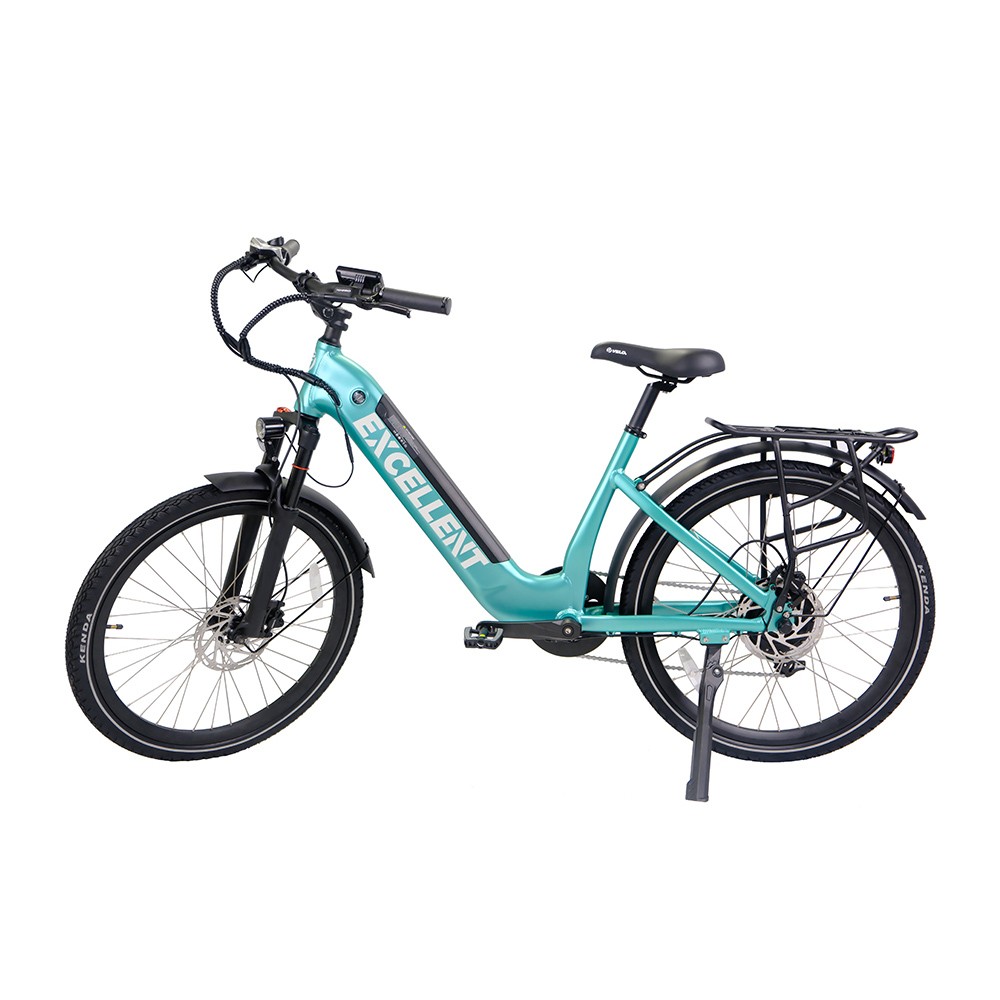
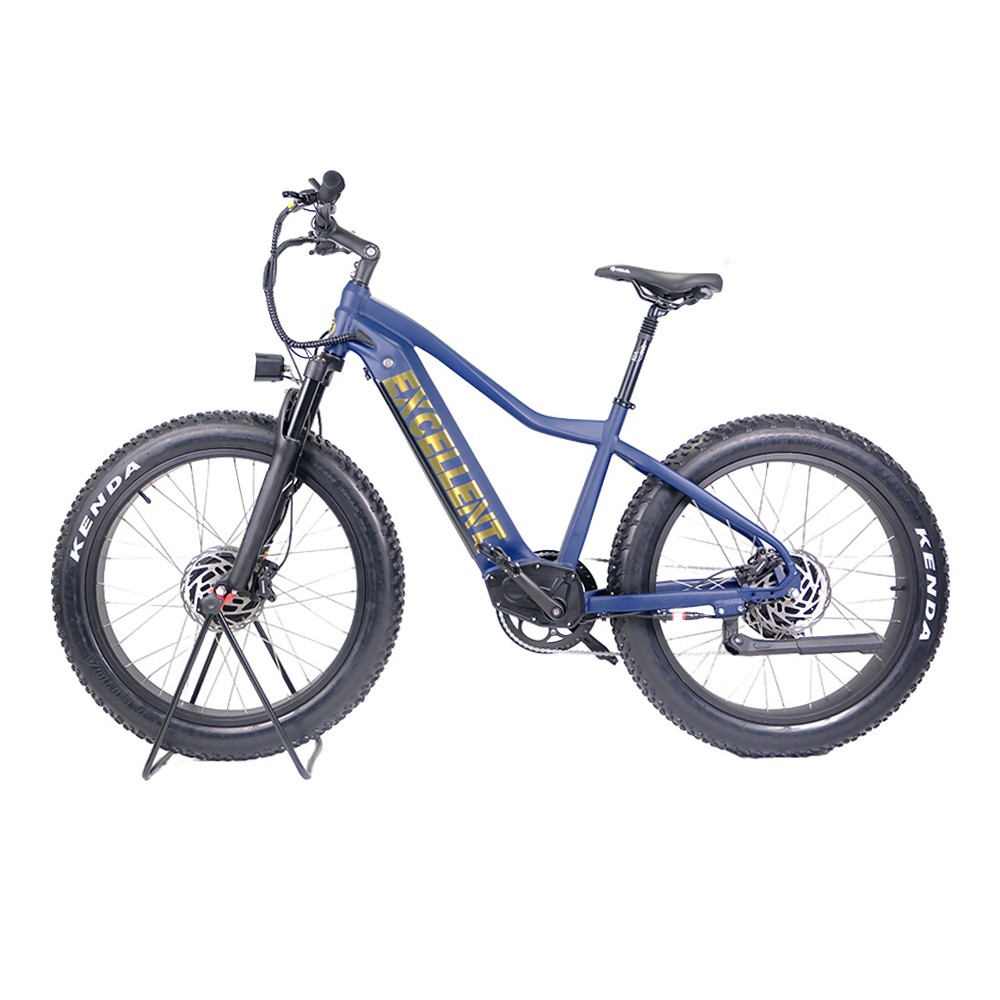
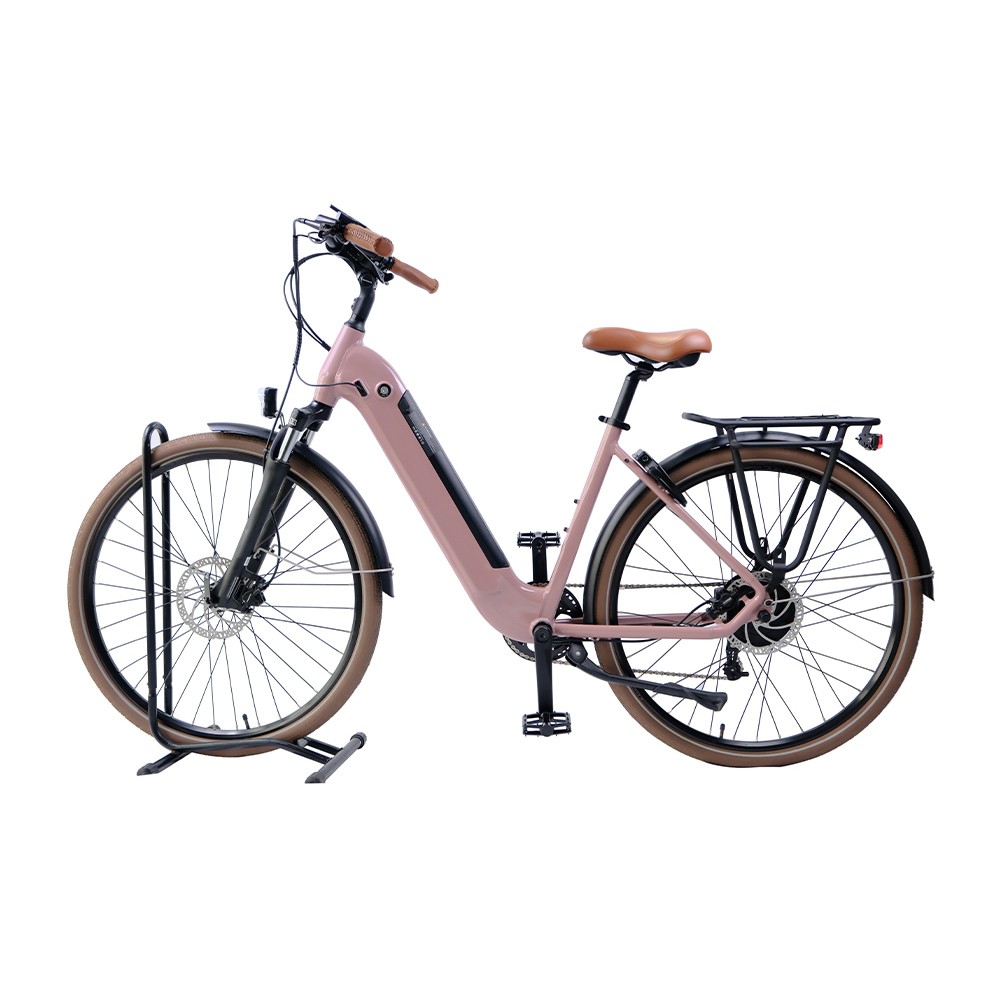

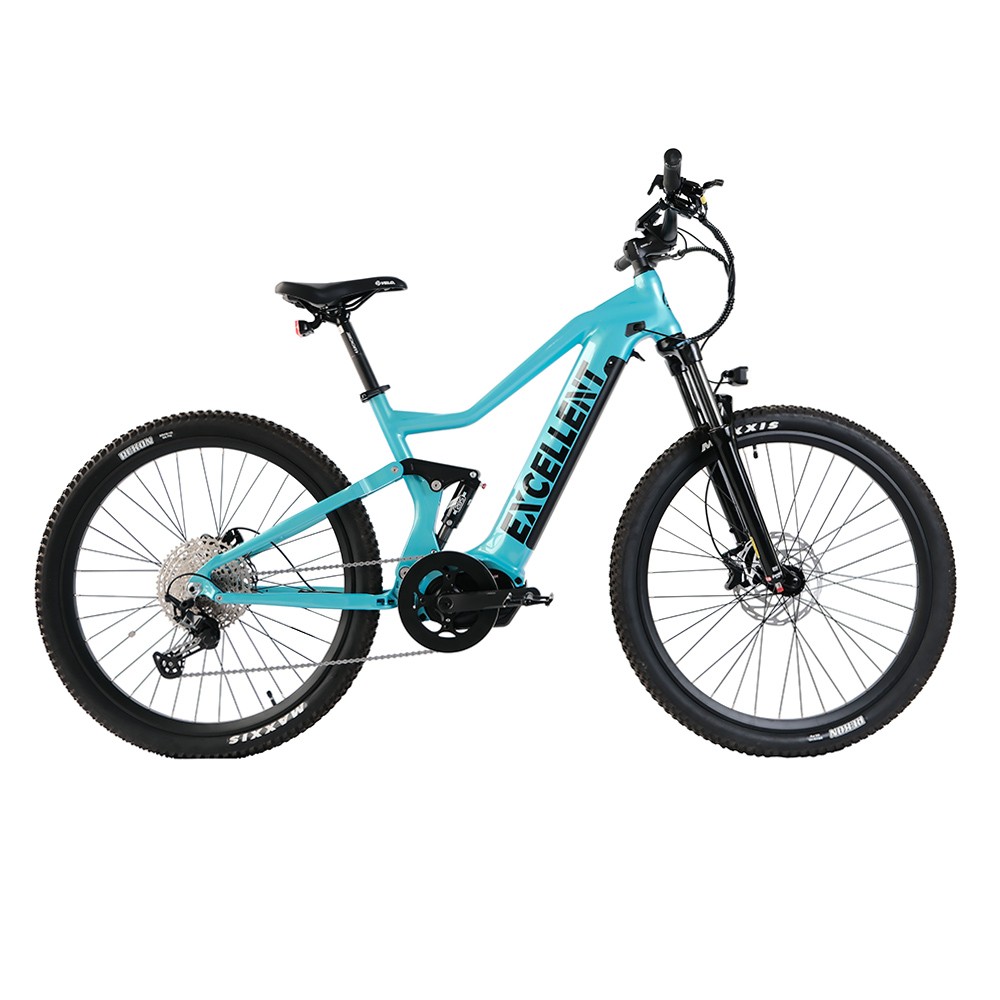
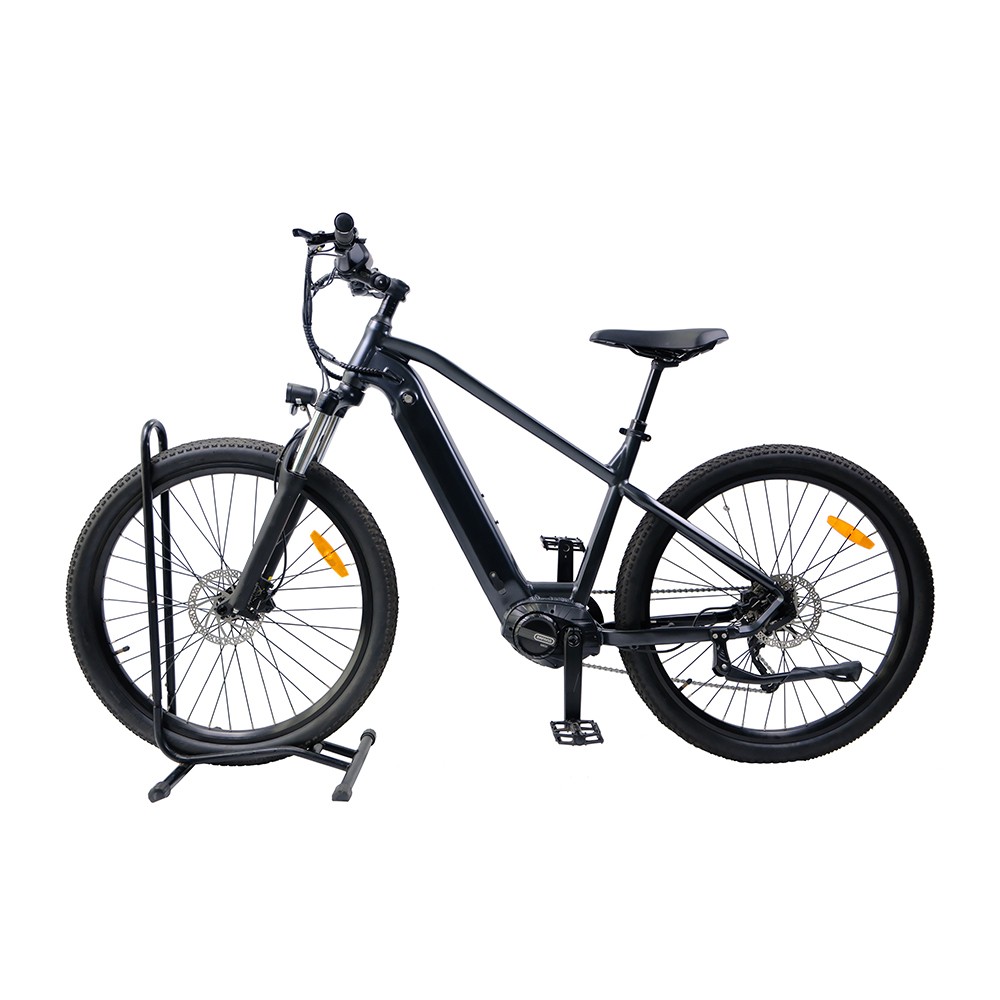
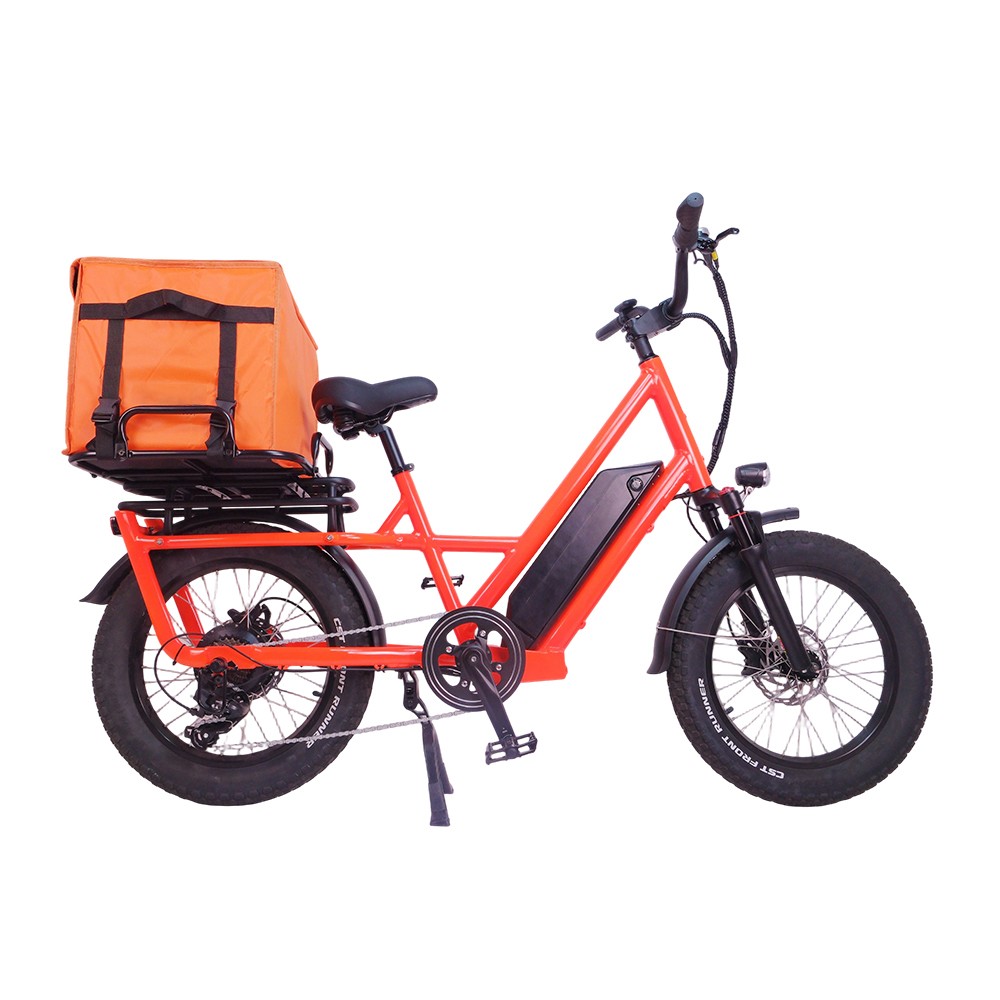
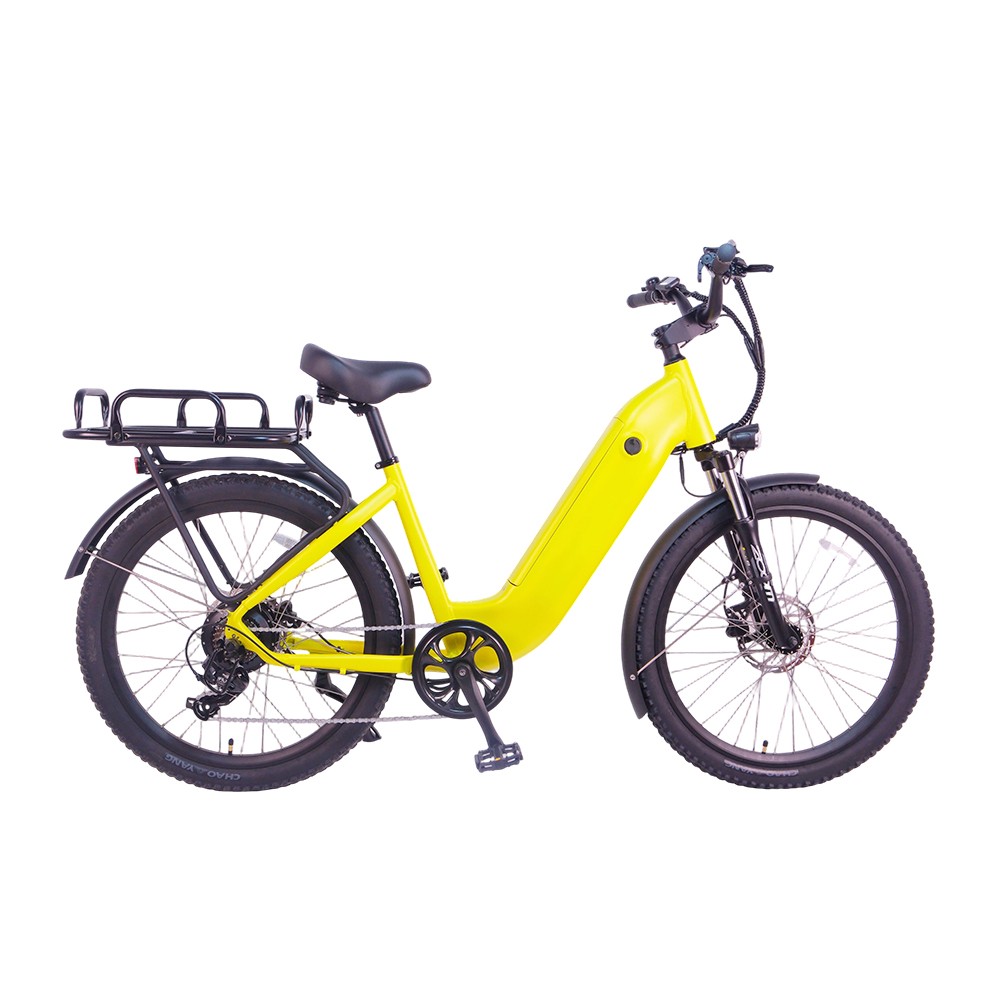
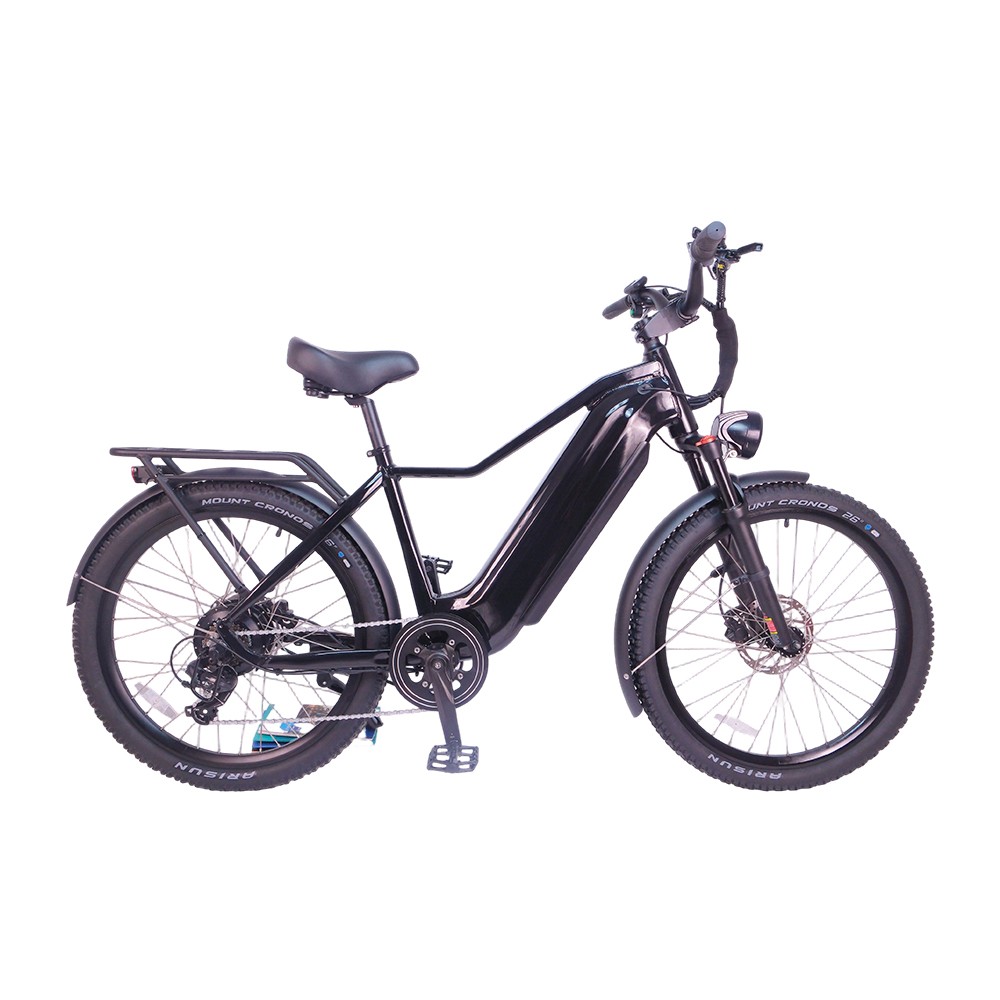
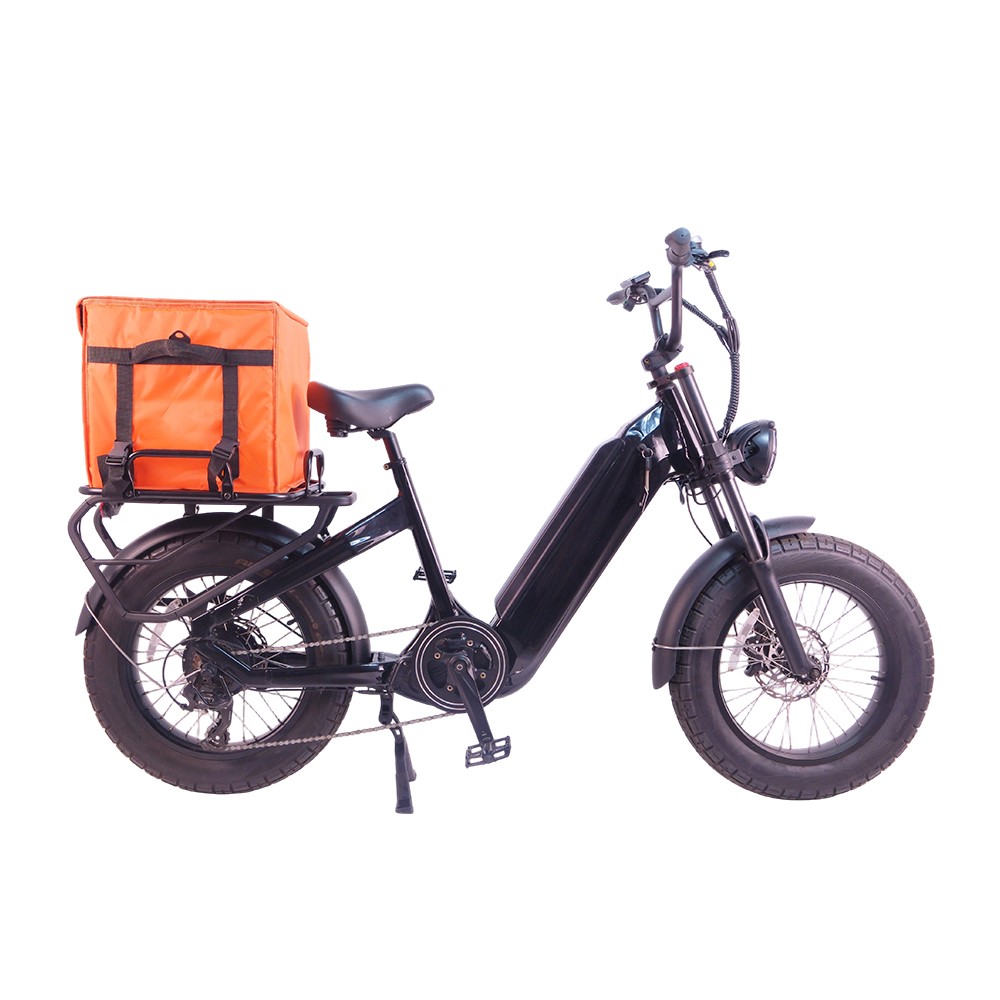
The fundamental difference between connected e-bikes and traditional e-bikes is integrated connectivity. Connected e-bikes use embedded IoT (Internet of Things) hardware, cellular modules, and GPS to communicate with smartphones and cloud networks in real time. Traditional e-bikes operate as standalone vehicles, relying entirely on physical inputs from the rider and a basic localized digital display.
Core Comparison Matrix
|
Feature |
Connected E-Bikes |
Traditional E-Bikes |
|
Data Transmission |
Cellular (4G/5G), Bluetooth, GPS |
Bluetooth only (limited) or None |
|
Security & Tracking |
Real-time GPS tracking and geofencing |
Physical locks and aftermarket tags |
|
System Updates |
Over-the-air (OTA) cloud updates |
Manual shop visits via USB cable |
|
Crash Detection |
Automatic emergency notifications |
Dependent on rider's smartphone |
|
Diagnostics |
Remote component health monitoring |
Manual troubleshooting on a stand |
Key Advantages of Connected E-Bikes
1. Advanced Anti-Theft Security
Connected bikes offer active security layers that deter thieves and simplify vehicle recovery.
· Live GPS Tracking: Pinpoints the exact location of the bike even when the main power is turned off.
· Geofencing Alerts: Sends an instant push notification to your phone if the bike moves outside a designated zone.
· Remote Immobilization: Allows users or fleet managers to digitally lock the motor via an app, making the bike useless to ride.
2. Preventive Maintenance and Diagnostics
Cloud integration moves bike maintenance from reactive fixes to predictive care.
· Error Code Streaming: Automatically alerts the rider or mechanic to specific electrical or motor faults before a breakdown occurs.
· Battery Health Analytics: Tracks cell degradation over time and optimizes charging patterns via the cloud.
· Over-the-Air (OTA) Updates: Continuously improves motor efficiency, torque delivery, and battery management systems without hardware changes.
3. Automation and Fleet Optimization
For delivery operators and rental businesses, connected hardware is vital for scaling logistics.
· Automated Check-Ins: Instantly logs mileage, trip duration, and battery levels when a vehicle returns to base.
· Rider Analytics: Maps high-traffic routes and tracks power usage patterns to optimize delivery routing.
Key Advantages of Traditional E-Bikes
1. Lower Upfront and Ongoing Costs
Traditional e-bikes focus purely on mechanical and basic electrical components, saving money in the long run.
· No Subscription Fees: Avoids the monthly cellular data subscription fees required to keep an IoT module active.
· Cheaper Retail Price: Costs significantly less upfront because you are not paying for advanced sensors, GPS chips, and internal modems.
2. Simplified Maintenance and Longevity
Fewer digital components mean fewer points of failure over years of heavy use.
· Universal Repairs: Any standard e-bike shop can service the electrical system using basic diagnostic tools.
· No Software Obsolescence: The bike remains fully functional even if the manufacturer goes bankrupt or shuts down their companion app.
Zero Phantom Battery Drain: Traditional systems do not constantly draw background power to run a standby tracking module
