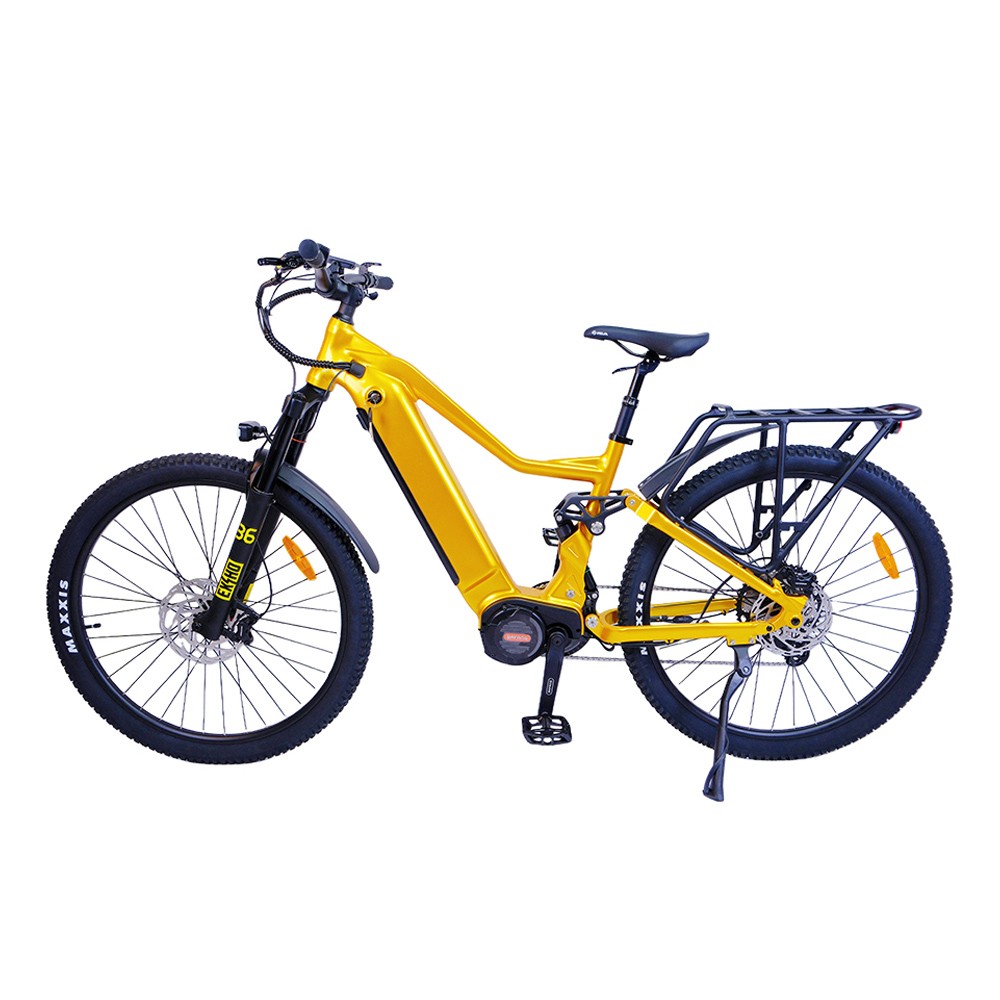
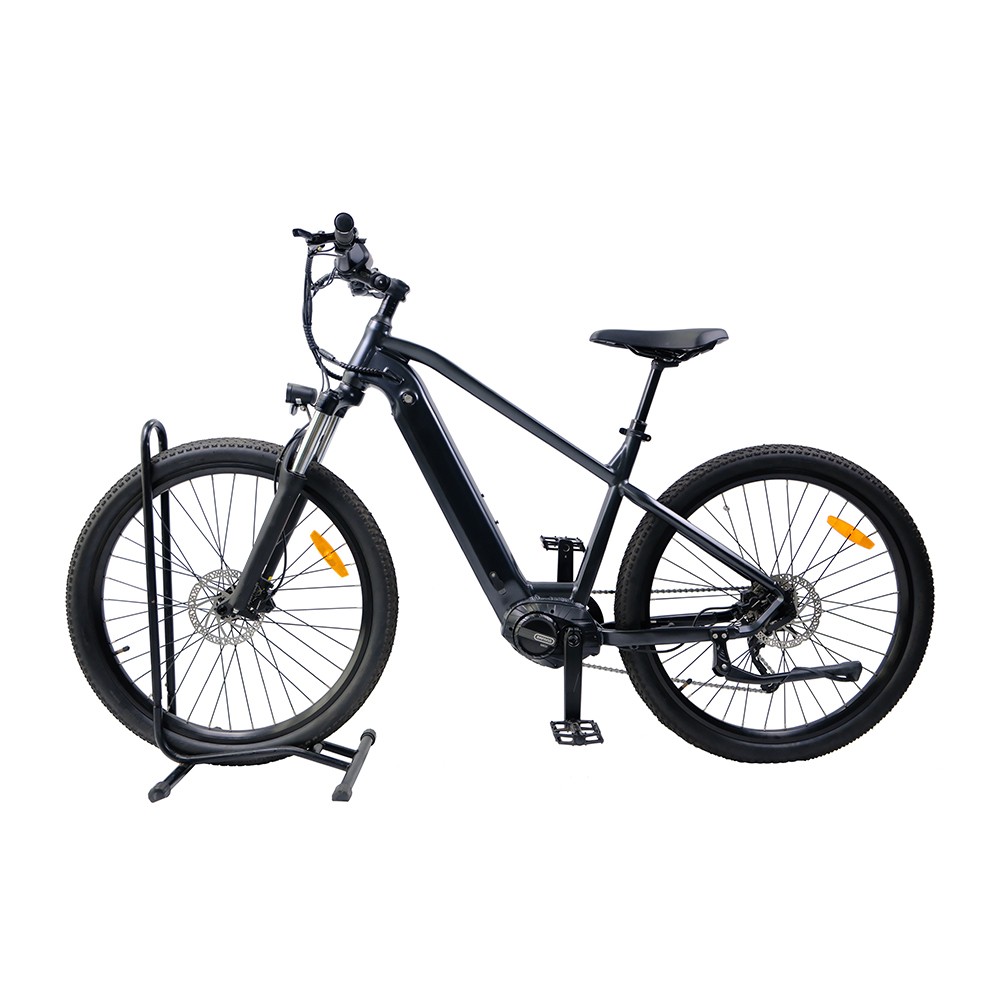
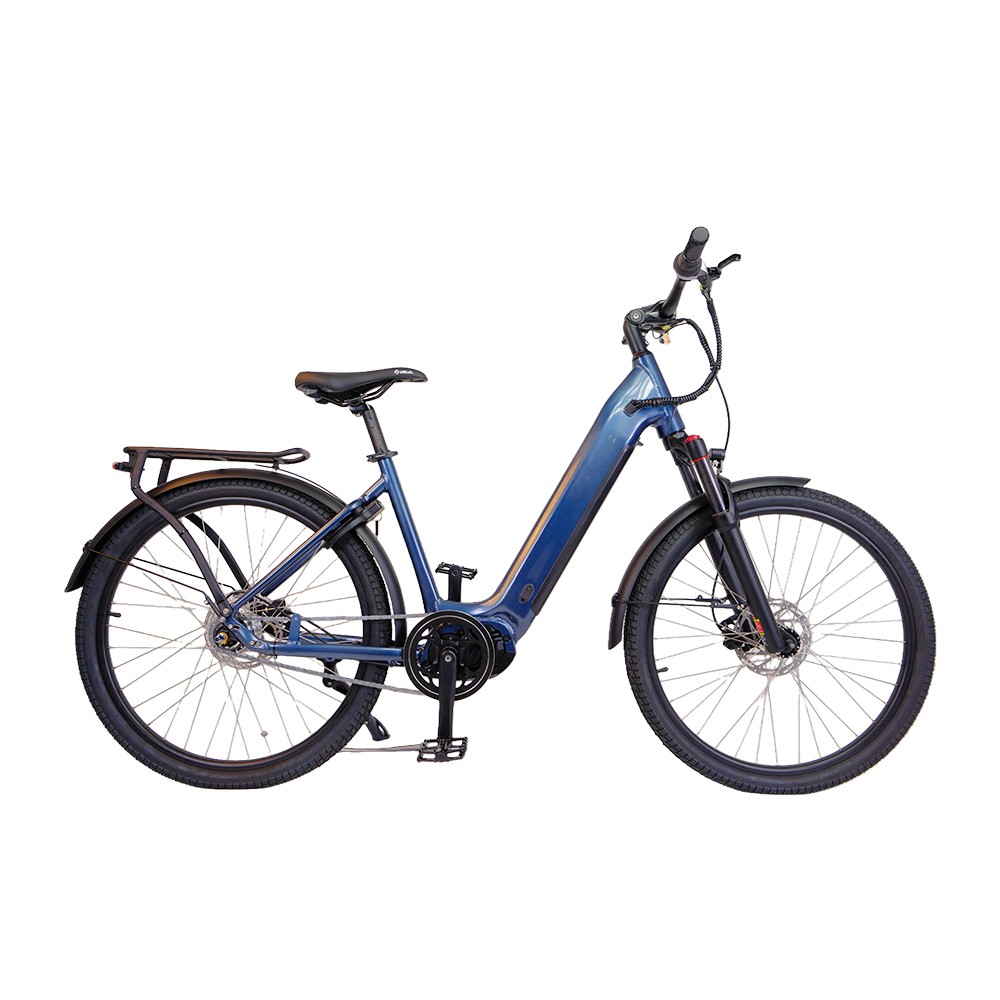
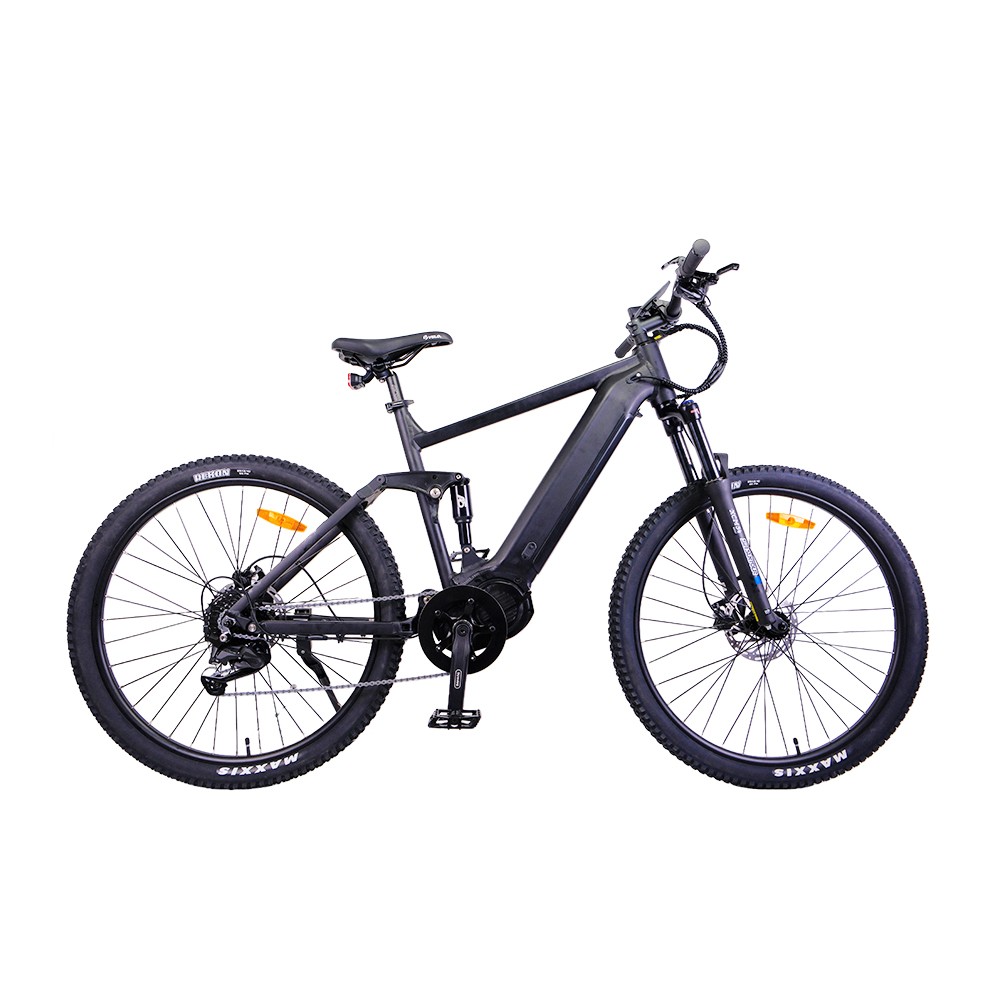
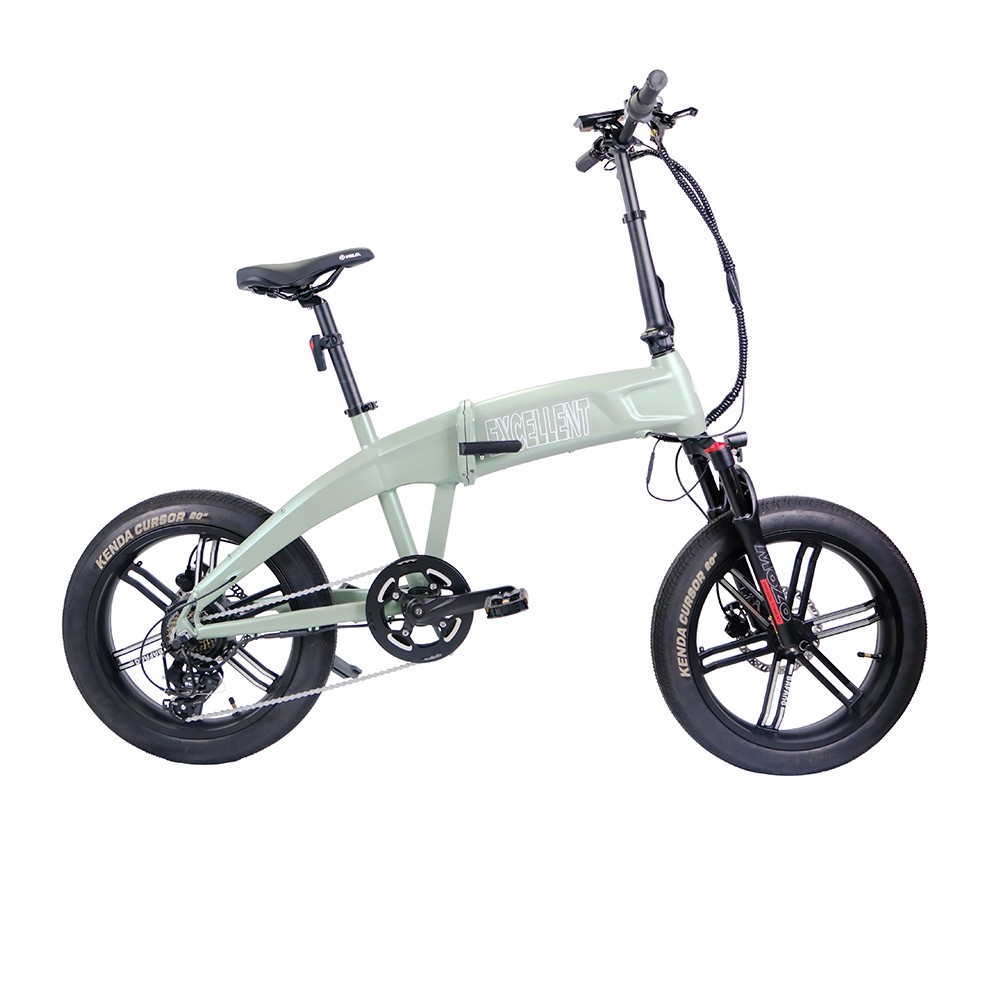
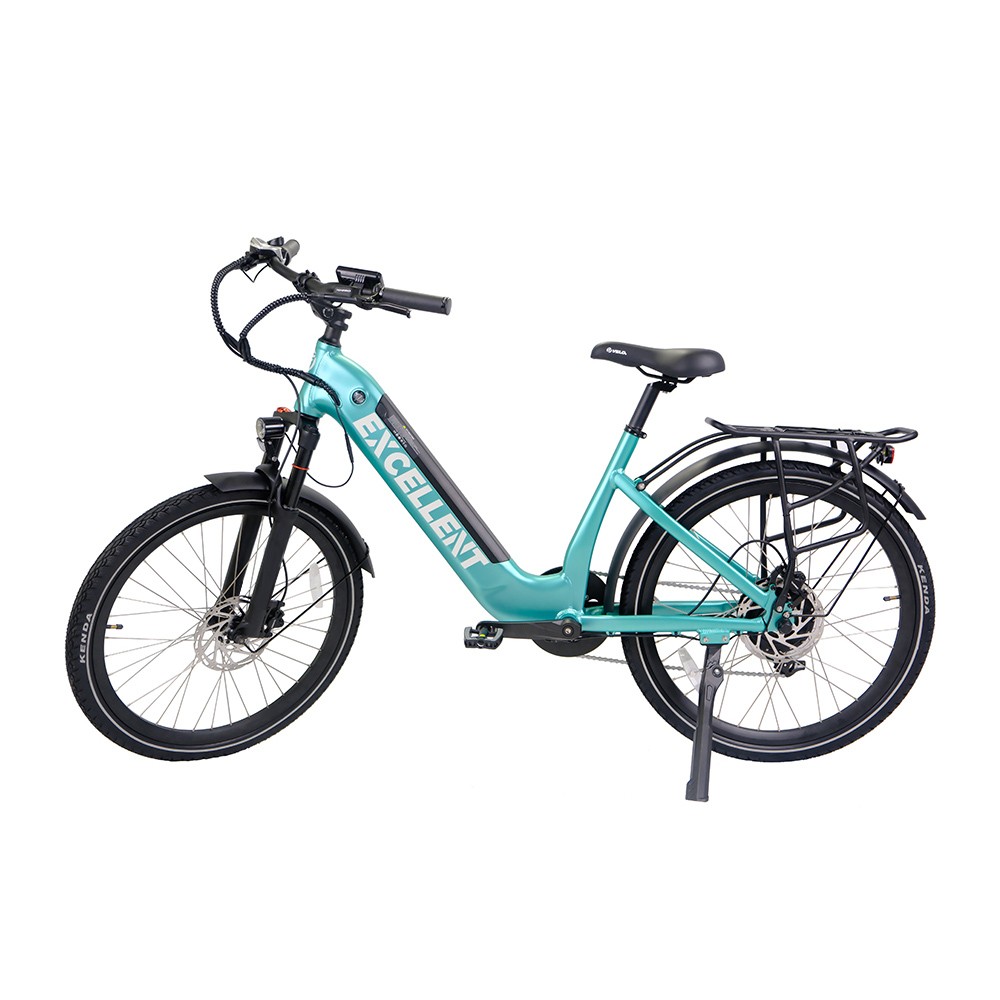
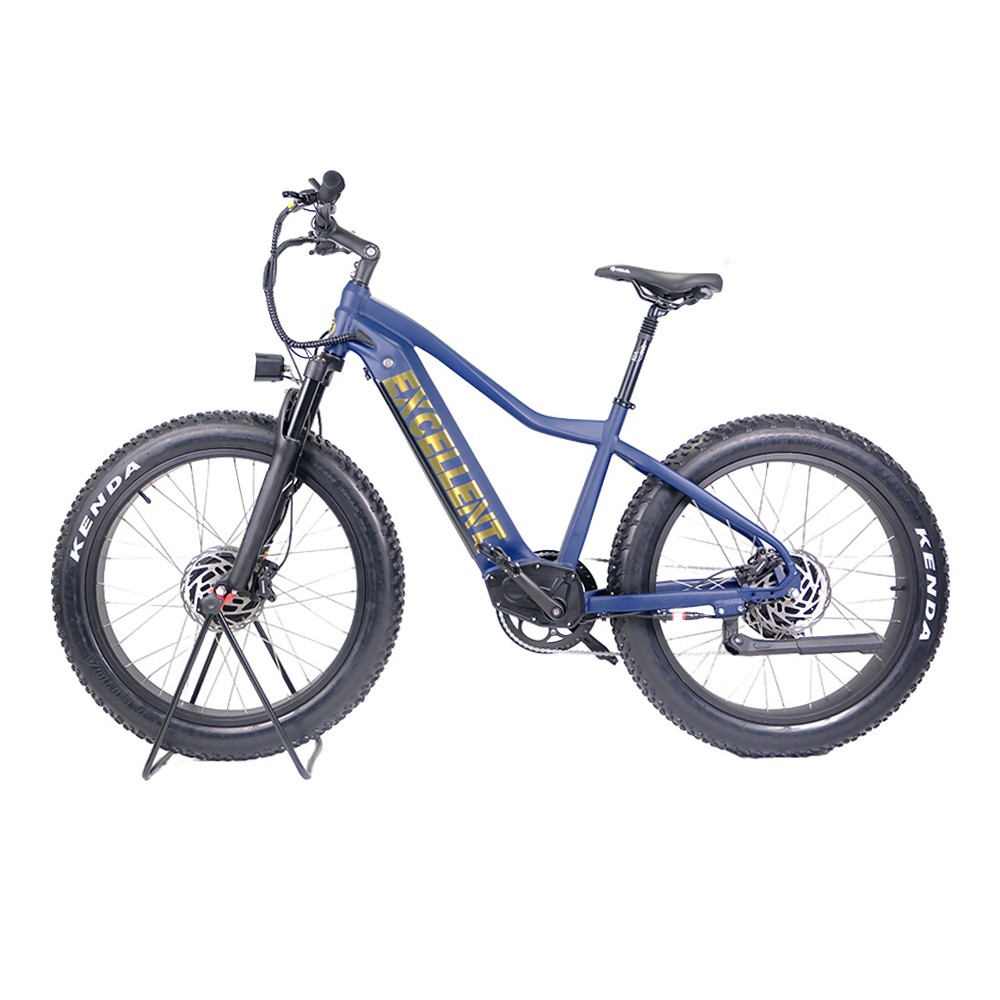
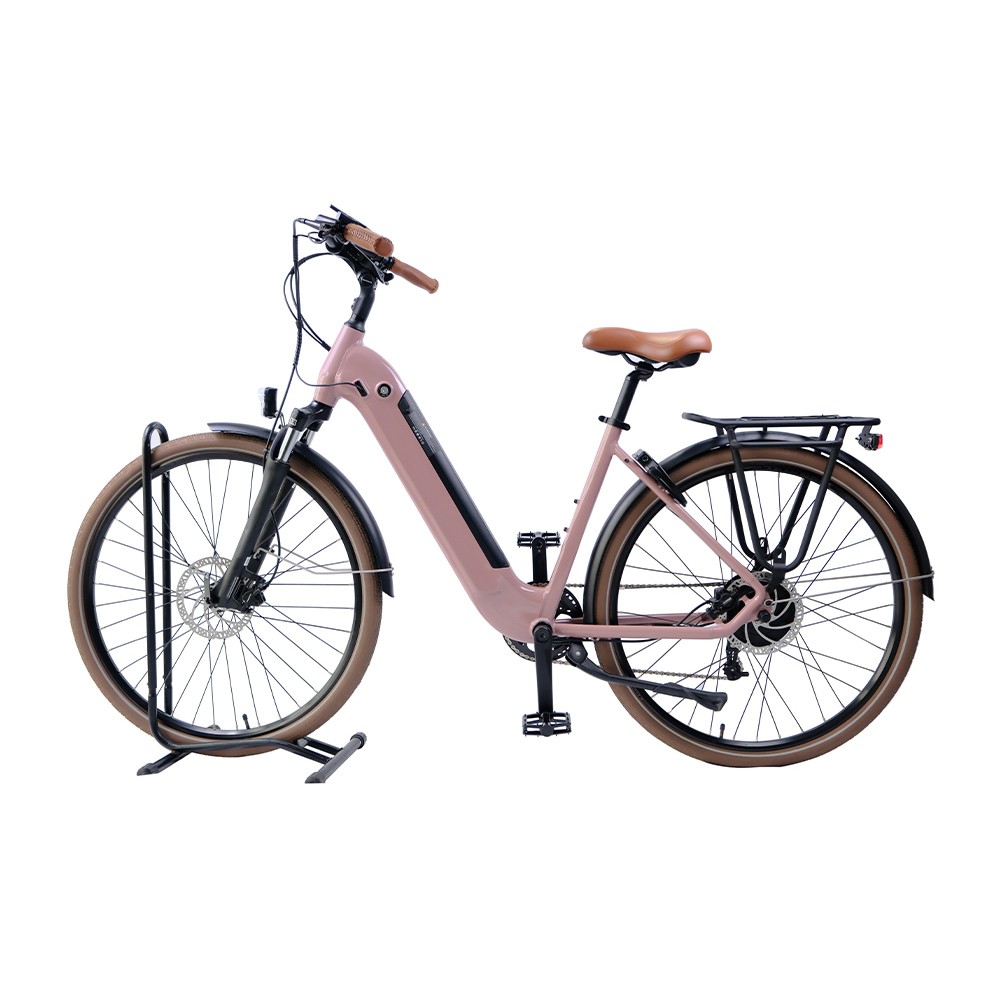
Choosing an e-bike manufacturer with native App and API support is critical because it allows you to integrate your physical fleet directly into your existing dispatch, ERP, and logistics software via automated data pipelines. Without API access, your e-bikes remain isolated hardware assets that require manual tracking, manual entry, and disjointed third-party software.
1. Seamless Software Integration (The Power of APIs)
An Application Programming Interface (API) allows your e-bikes to talk directly to your company's existing tech stack.
· Unified dispatching: Automatically routes orders to riders based on the real-time battery level and location data streamed from the bike to your delivery app.
· Automated payroll/billing: Syncs odometer and shift duration data directly to your accounting software to calculate rider payouts or rental billing accurately.
· Custom dashboards: Pulls raw fleet data (speed, torque, error codes) into your own proprietary software, avoiding the need to use a separate, generic manufacturer app.
2. Automated Fleet Management and Uptime
When e-bikes can report their own internal health metrics to your cloud server, maintenance changes from reactive to automated.For operators looking to build a scalable operation, how rental companies manage large e-bike fleets demonstrates how automated data flows replace spreadsheets and manual check‑ins.
· Predictive maintenance triggers: The API automatically schedules a workshop ticket when a bike's odometer hits a specific mileage milestone or brake pad threshold.
· Remote fault diagnostics: Mechanics can see exact electrical error codes over-the-air before the bike is brought in, ensuring the correct replacement parts are ready.
· Battery health monitoring: Tracks cell degradation and temperature across hundreds of bikes simultaneously, preventing thermal issues and optimizing charging rotations.
3. Dynamic Security and Asset Control
API and app support give fleet managers instantaneous control over stolen or misused assets. Remote locking technology can be triggered instantly through software, while geofencing creates virtual boundaries that trigger alerts or automated actions when a bike leaves a designated area. IoT electric bikes with these capabilities significantly reduce theft risk and simplify asset recovery.
· Instant over-the-air kill switches: If a bike is flagged as stolen or goes past a geofenced boundary, your software can trigger a command to digitally disable the motor.
· Custom geofencing: Automatically limits the bike's top speed via software when a rider enters a high-pedestrian zone, ensuring local regulatory compliance.
· Keyless smartphone unlocking: Allows riders to unlock their assigned vehicle instantly via your custom mobile app, removing the need for physical keys that easily get lost.
4. Continuous Fleet Optimization via OTA Updates
A manufacturer with robust software support keeps your fleet relevant and efficient long after purchase.
· Over-the-Air (OTA) performance tuning: The manufacturer can push firmware updates to optimize motor efficiency, increasing your average range per charge without changing hardware.
· Adapting to new laws: If local speed or power laws change, you can update the entire fleet's top speed digitally in minutes instead of manually reprogramming each bike.
