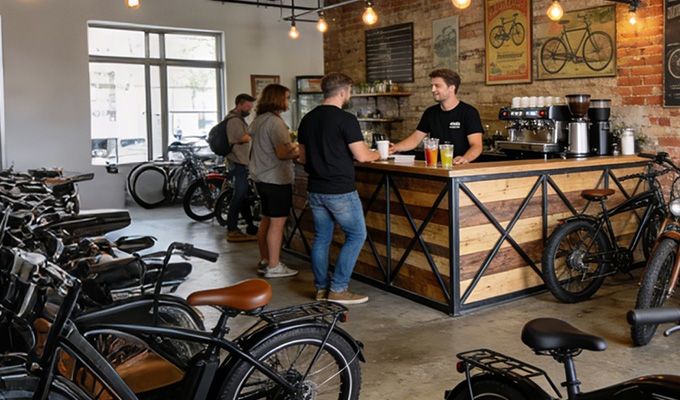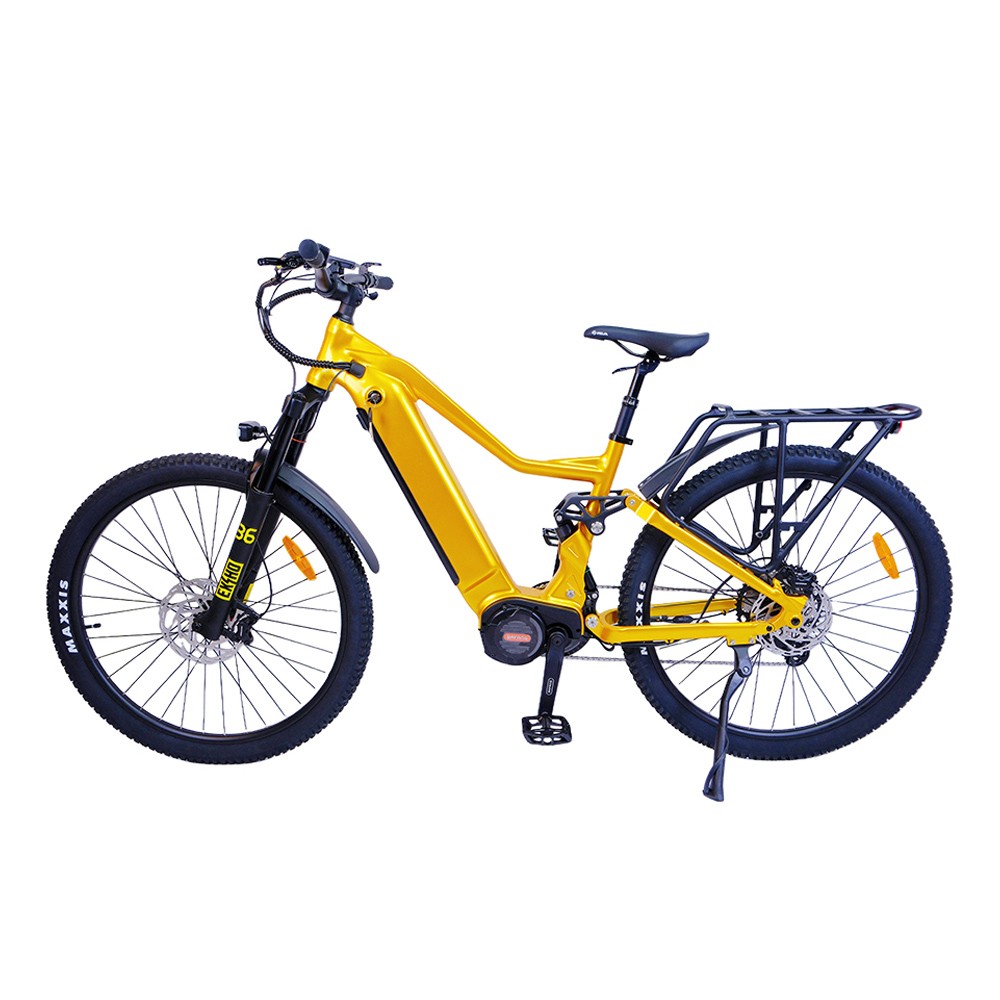
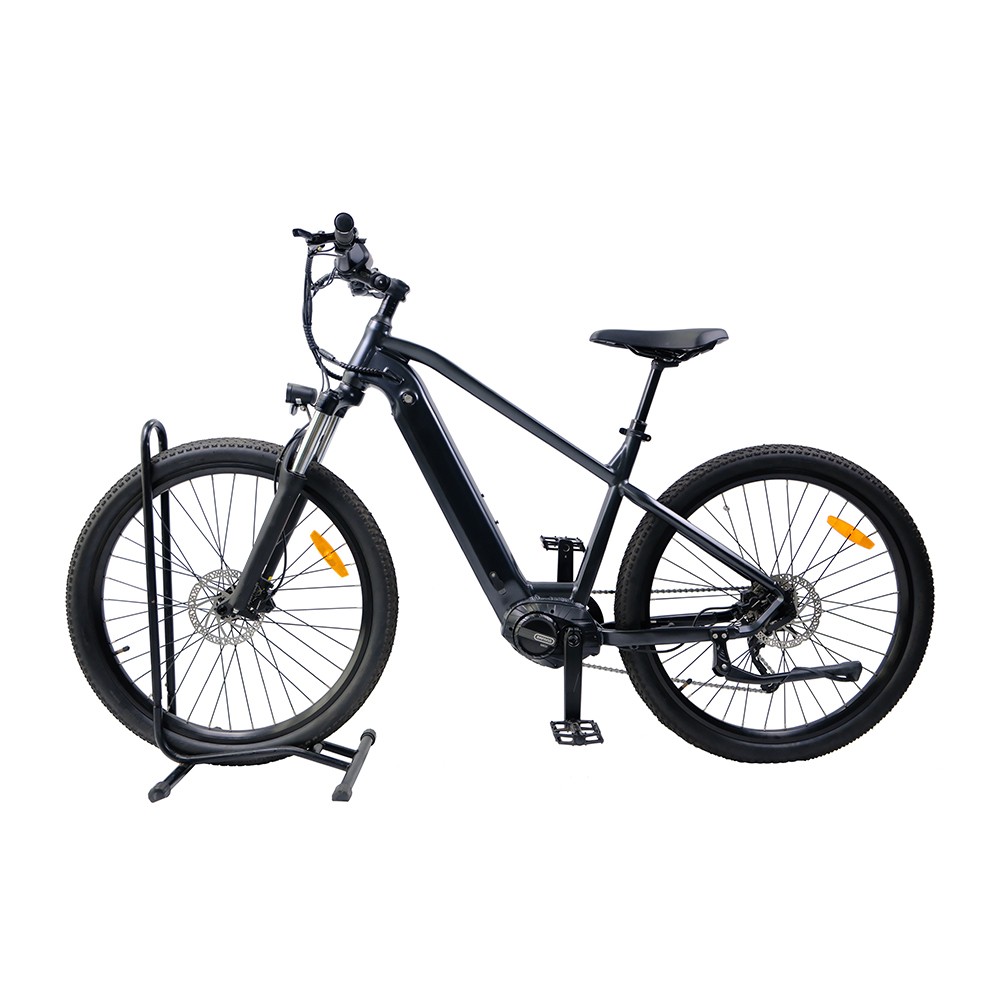
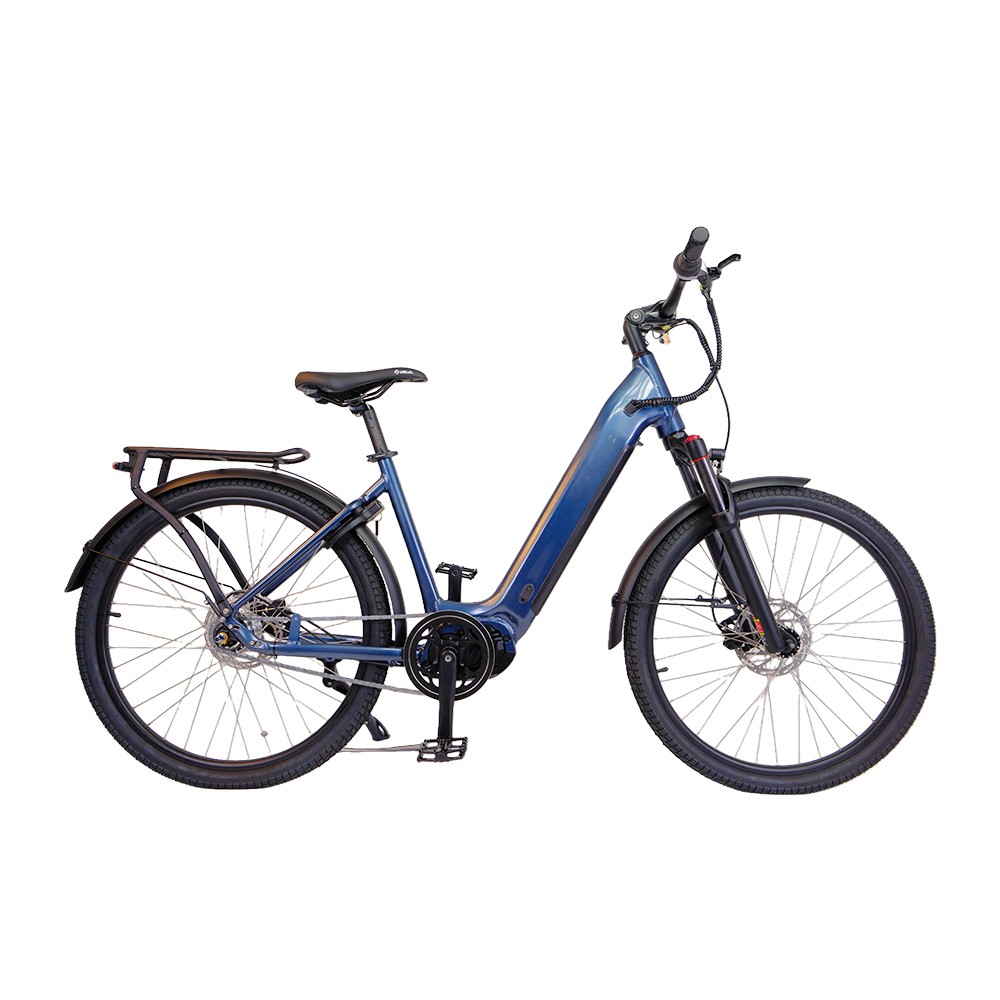
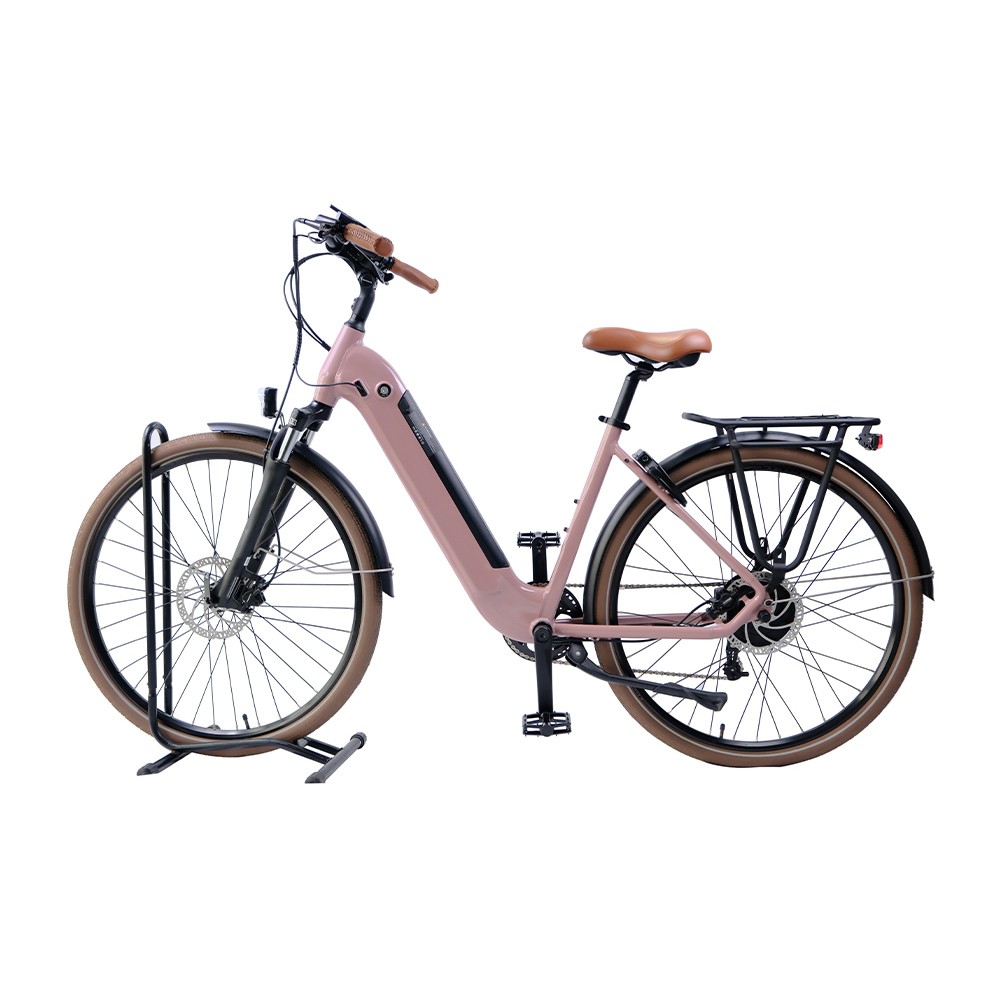
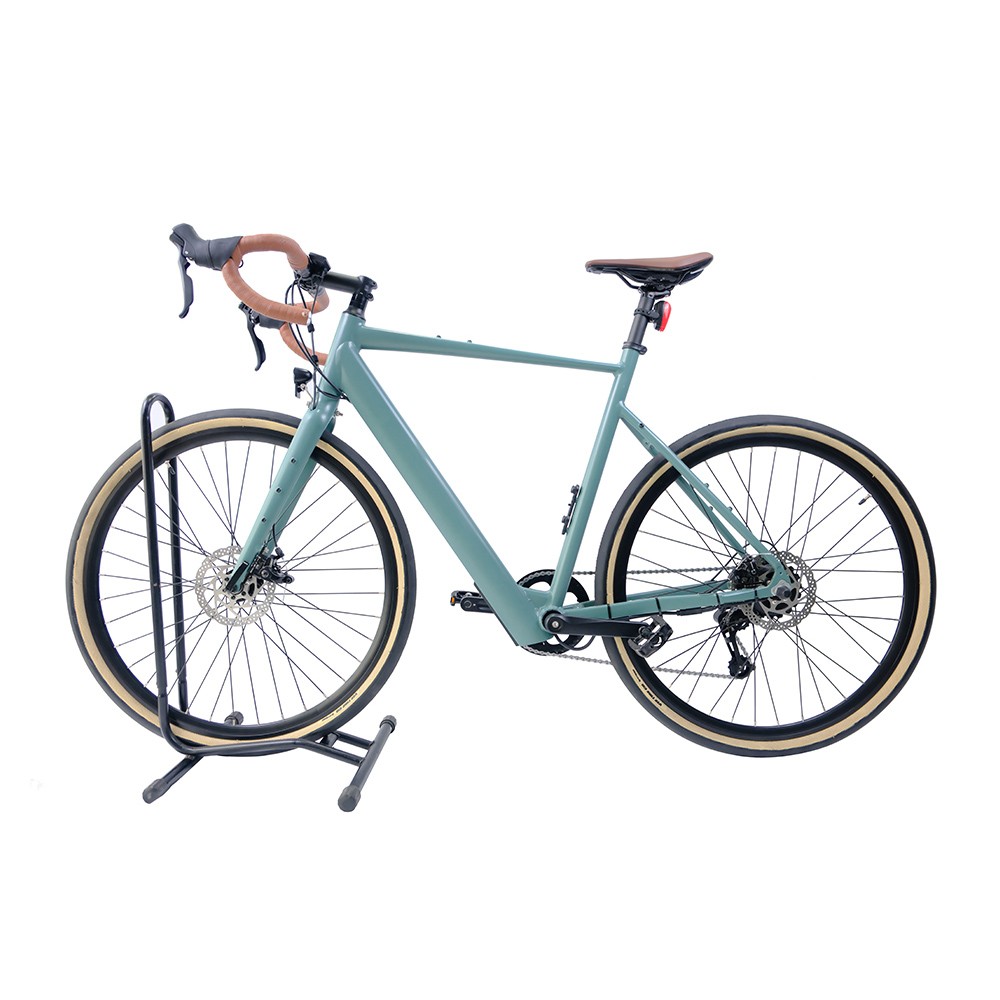
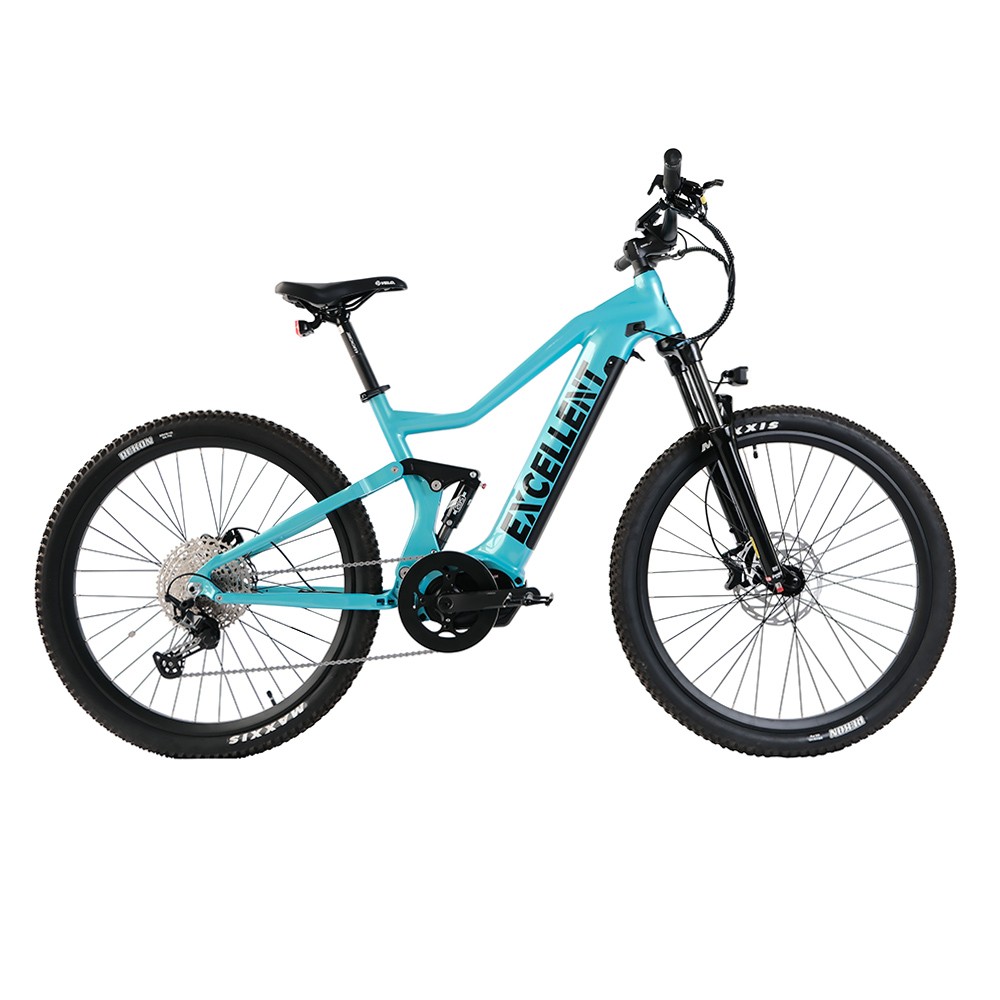
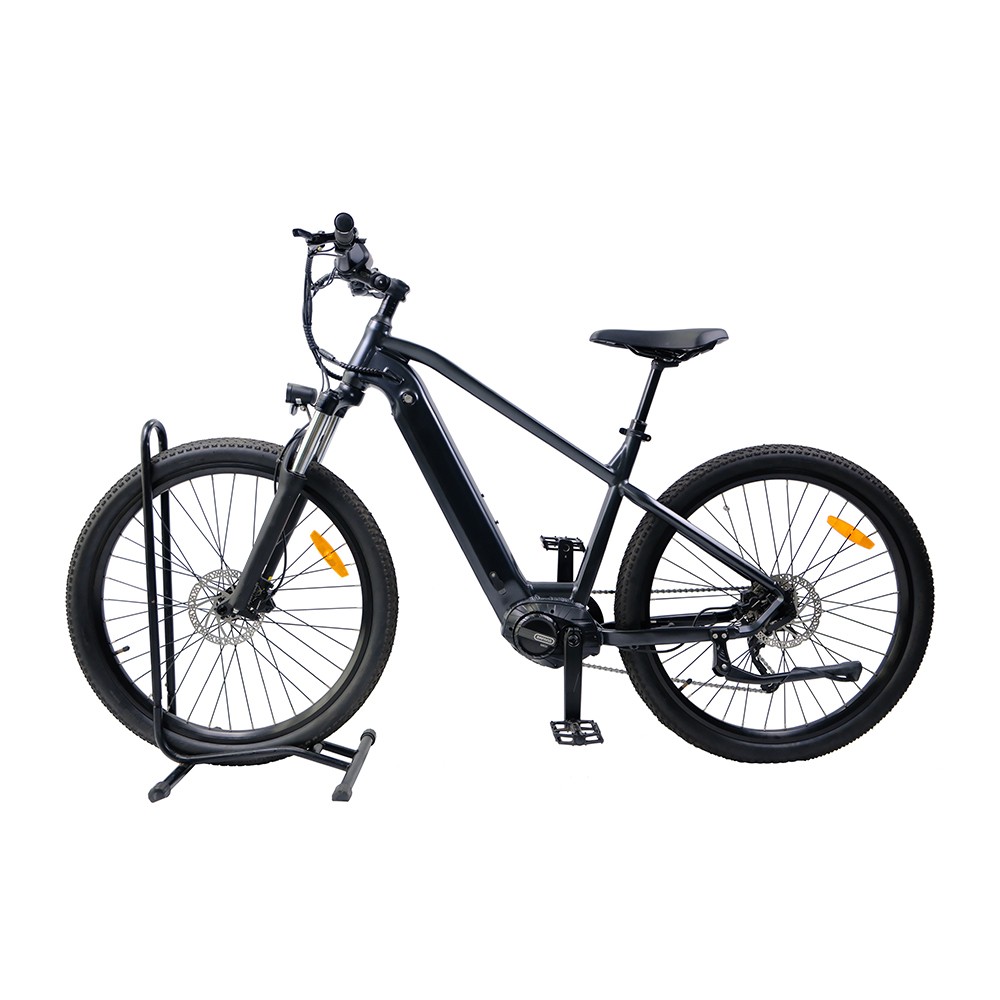
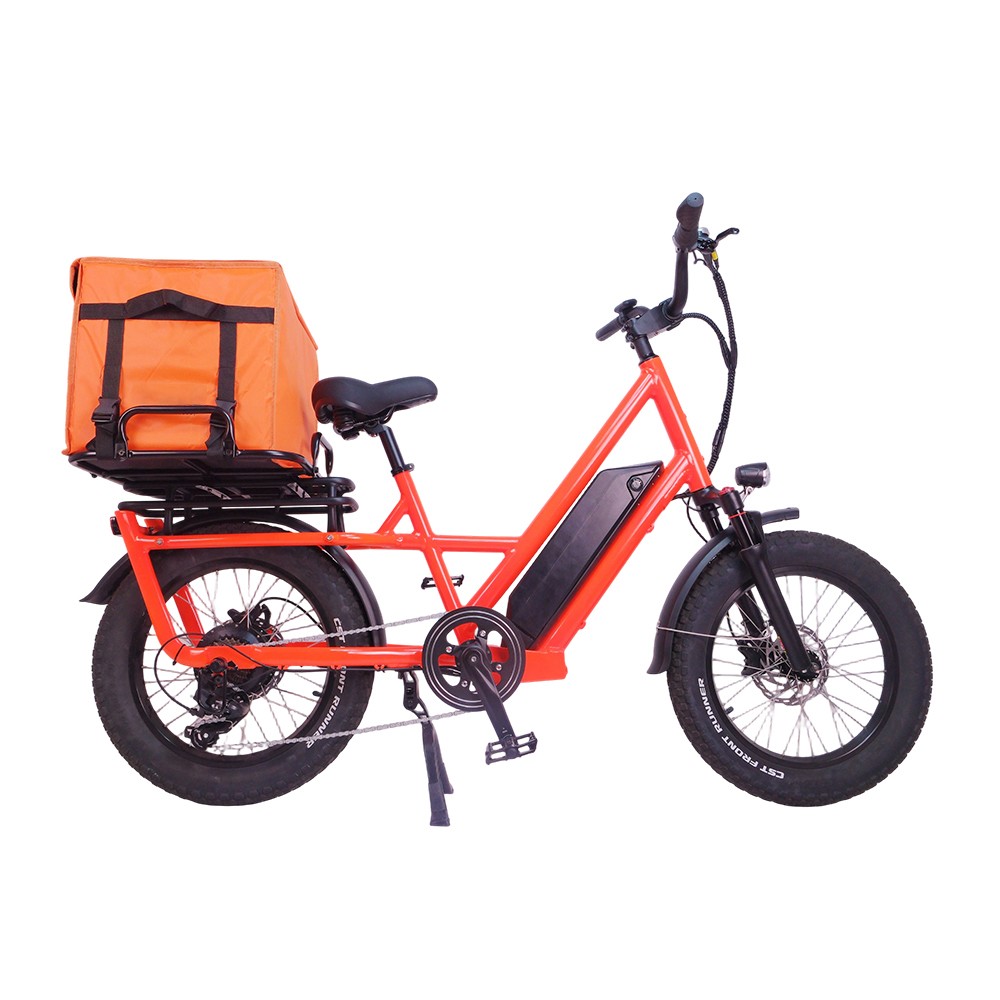
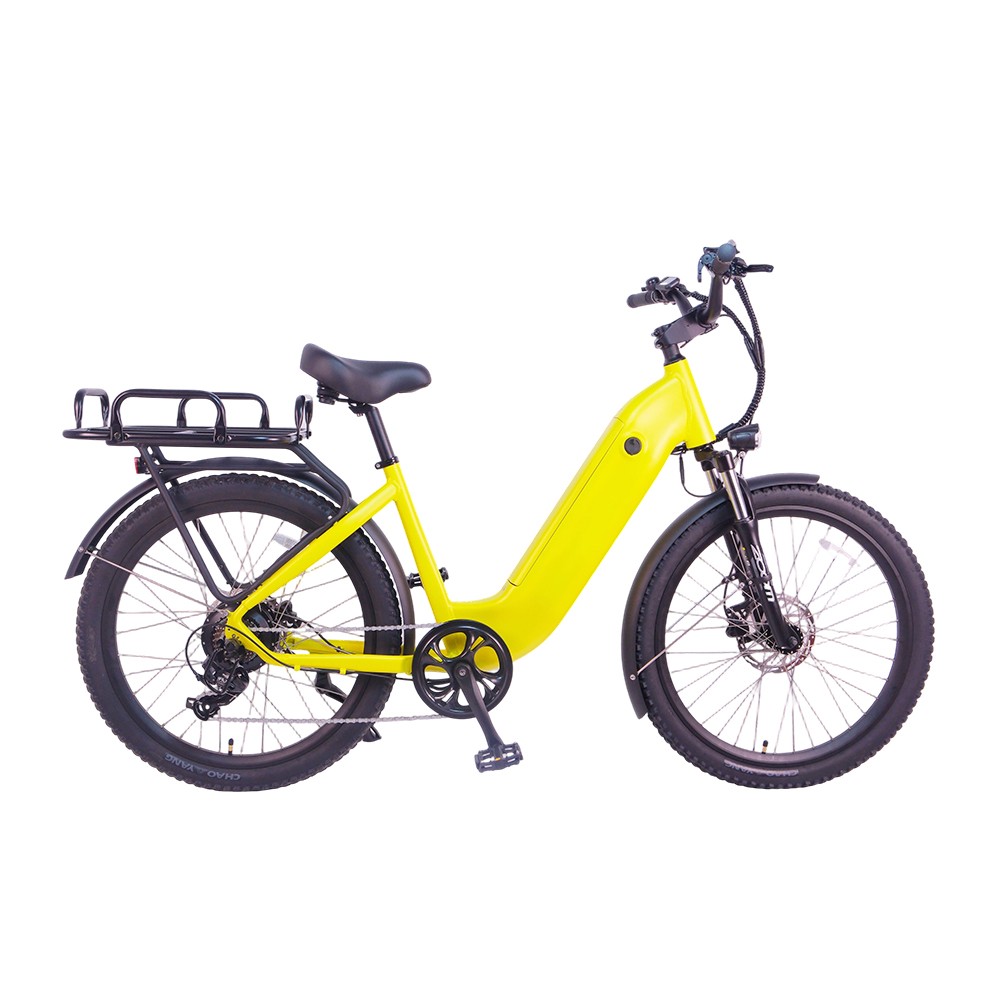
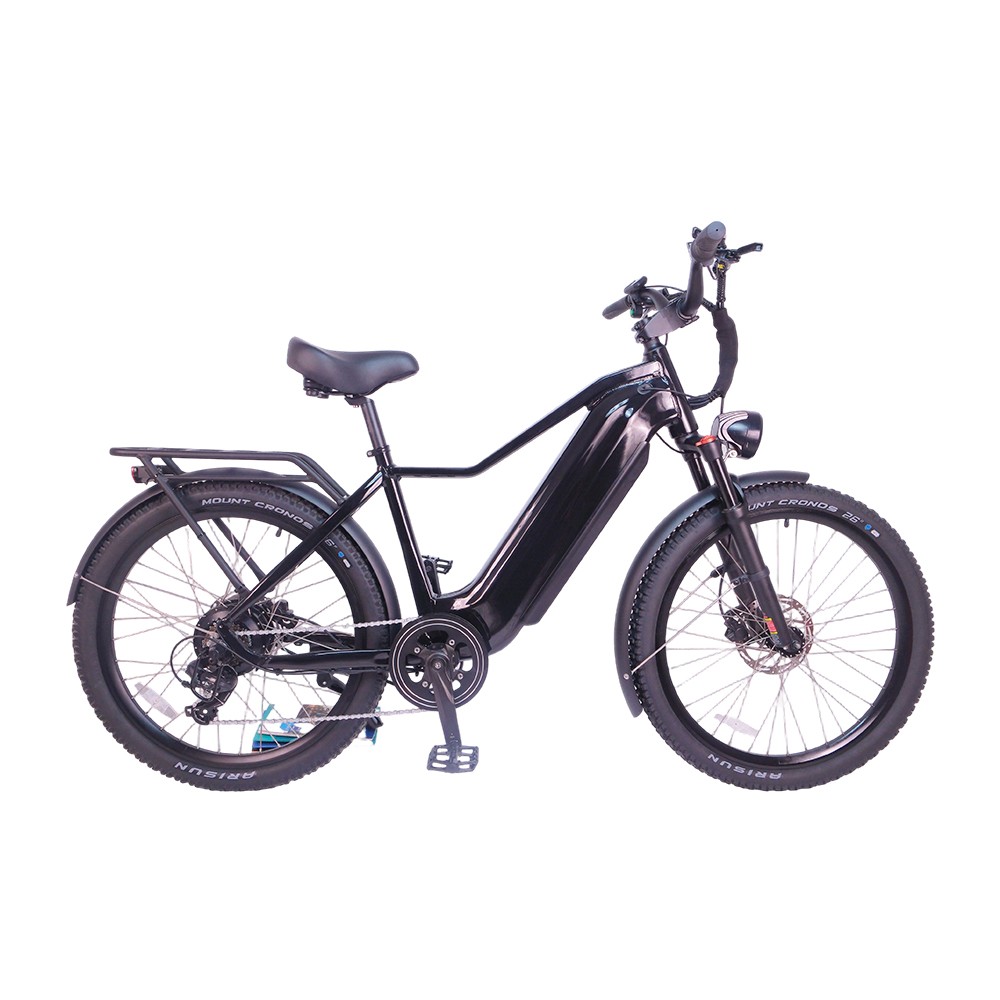
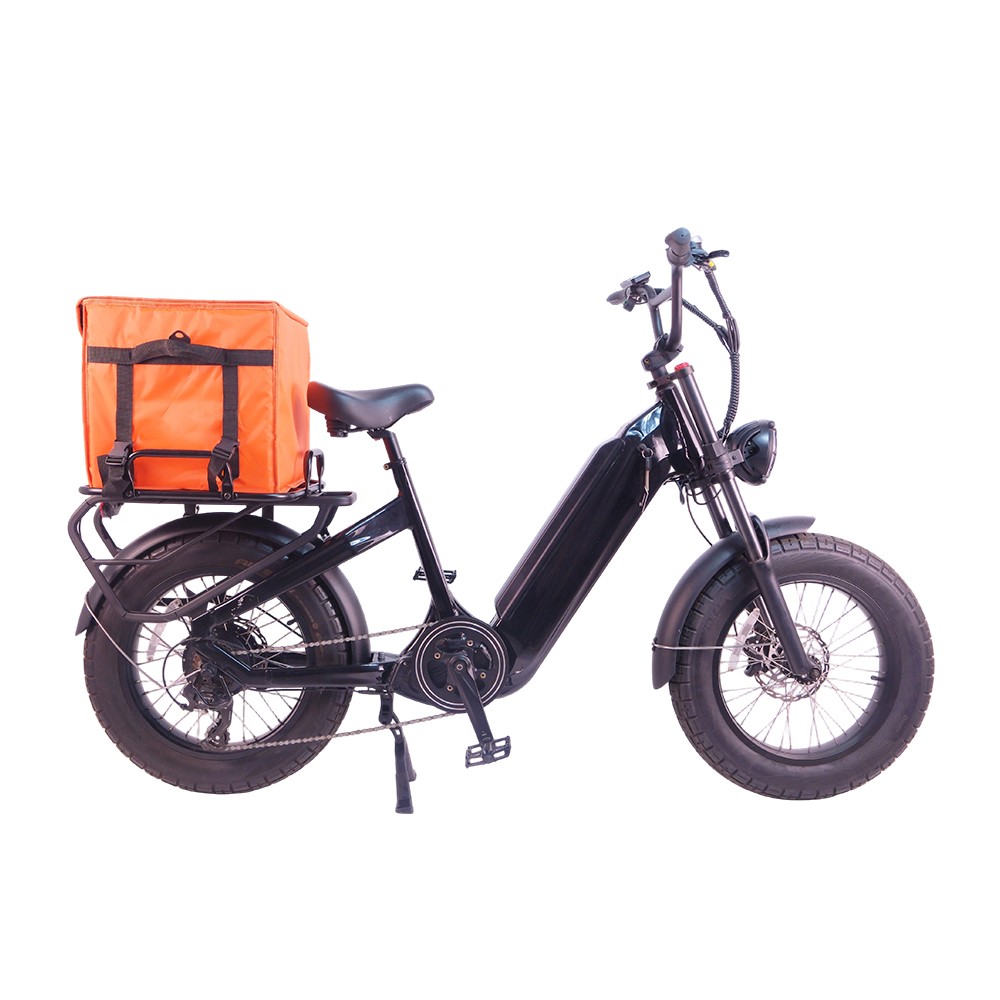
1. Booming on-demand economy Growth of food delivery, quick-commerce and e-commerce raises demand for low-cost urban last-mile transport. Gig platforms (DoorDash, Uber Eats) fuel demand for rider-owned and rental delivery e-bikes. Rental models lower entry barriers for delivery riders.
2. Urban congestion & policy pressure City traffic, parking shortages, low-emission zones and congestion pricing make vans inefficient. Municipalities incentivise zero-emission light freight.
3. Strong unit economics E-bikes deliver lower running costs, fewer fines and higher delivery throughput than cars/vans in dense cities.
Key Advantages
· Agility: Navigate bike lanes and narrow streets; reduce idle time for parking.
· Low TCO: Minimal energy and maintenance expenses vs motor vehicles.
· Sustainability: Supports corporate ESG goals and meets urban emissions rules.
· Flexibility: Fits food, parcel and grocery delivery; suitable for independent riders and company fleets.
Emerging Industry Trends
1. Purpose-built heavy-duty cargo e-bikes replace modified consumer models.
2. Smart connected fleets: GPS telematics, remote diagnostics, smart locks for rental/logistics operators.
3. Rise of subscription/rental models: Lower entry cost for gig riders without upfront bike purchases.
4. Micro-hub distribution: Transfer goods from large trucks to e-bikes for final neighbourhood deliveries.
Main Barriers
Fragmented local e-bike regulations across US states; high initial purchase cost; battery degradation risks; limited urban cycling infrastructure; theft concerns. Selecting a reliable e-bike supplier can mitigate compliance and quality risks.
Future Outlook
Adoption will keep expanding. Operators will increasingly rely on smart fleets, battery swap systems, and B2B rental subscriptions to scale last-mile delivery. This aligns with the future of food delivery transportation.