1. Confirm local traffic regulations first
· EU/UK/AUS: Standard EPAC ≤250W pedal assist, throttle models count as mopeds.
· US/Canada: Follow 3-class rules; Class 2 (750W with throttle) is preferred for delivery.
· SEA, Japan, Korea: Policies vary greatly; check limits on power, speed and cargo tricykes.Do not modify bikes to avoid fines and cargo seizure.
2. Prepare mandatory certifications for import
· EU/UK: CE EN15194, UKCA
· USA: UL2849, UL2271
· Global shipment: UN38.3 & MSDS for lithium batteries
3. Key vehicle configuration
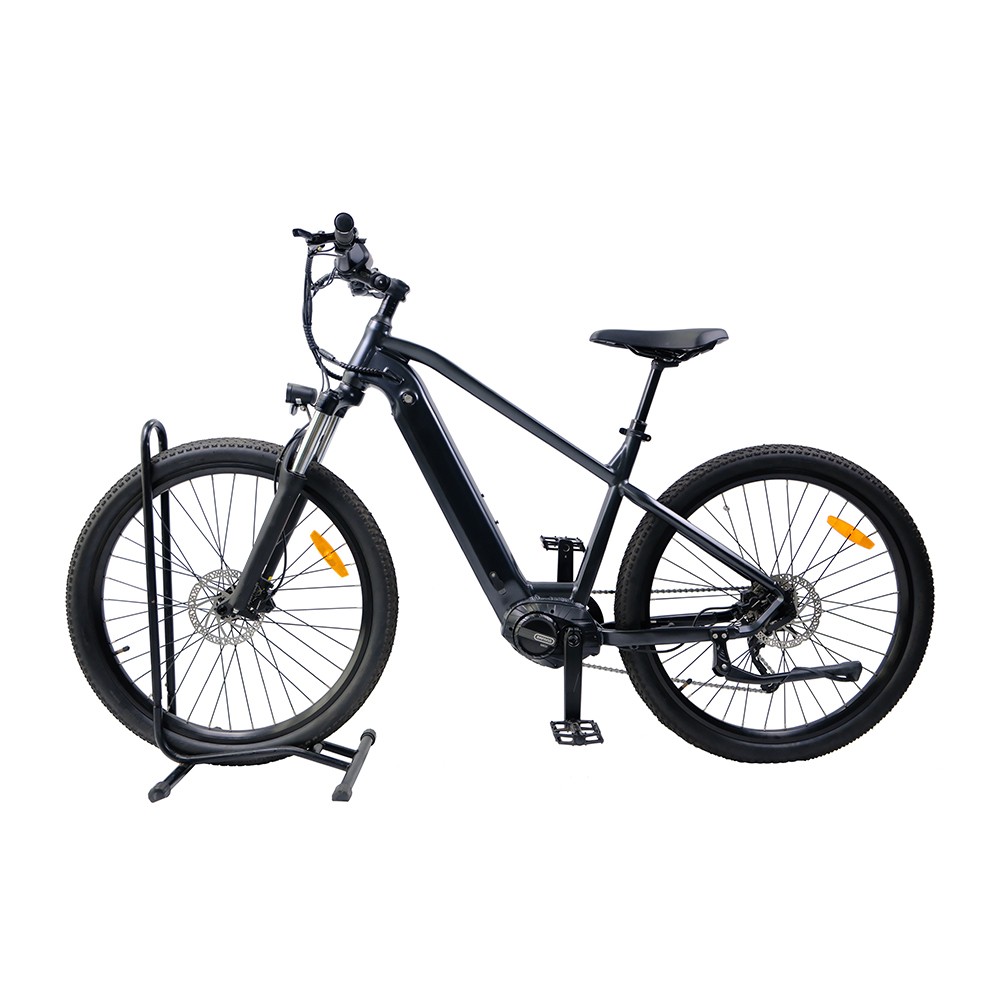
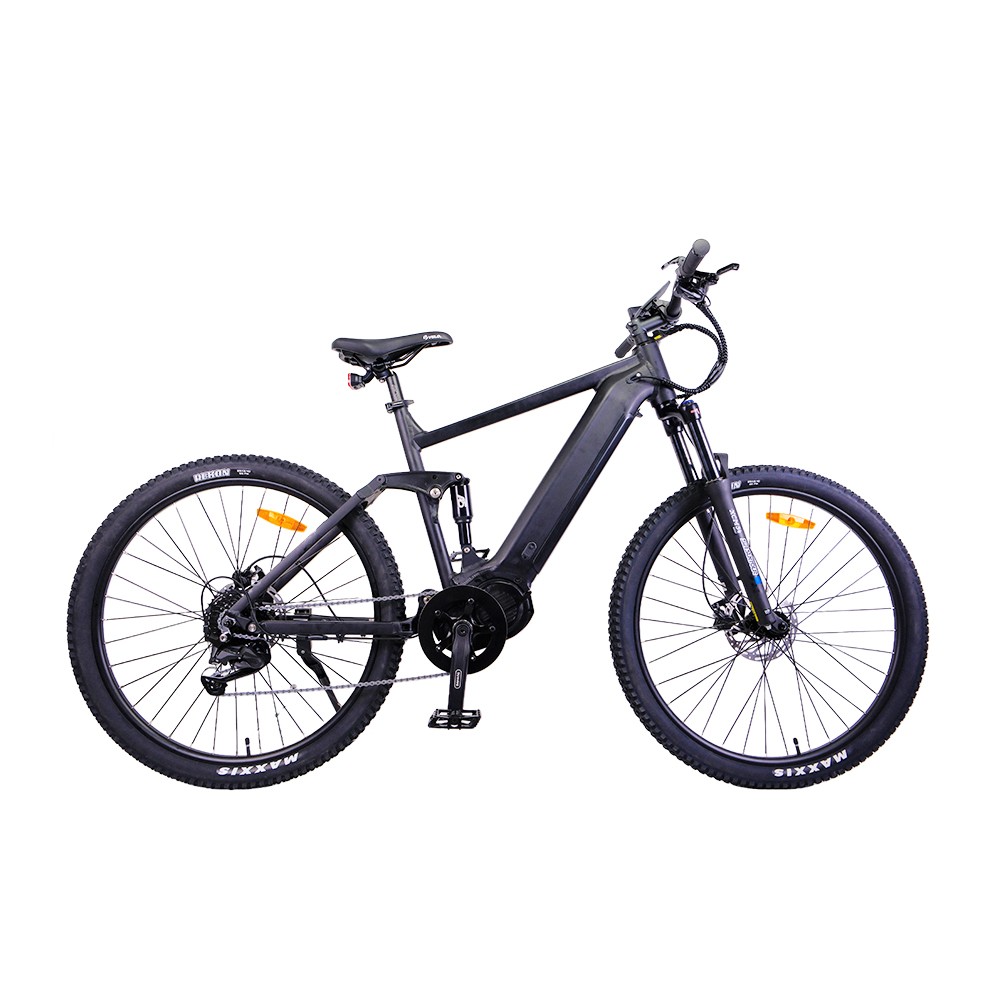
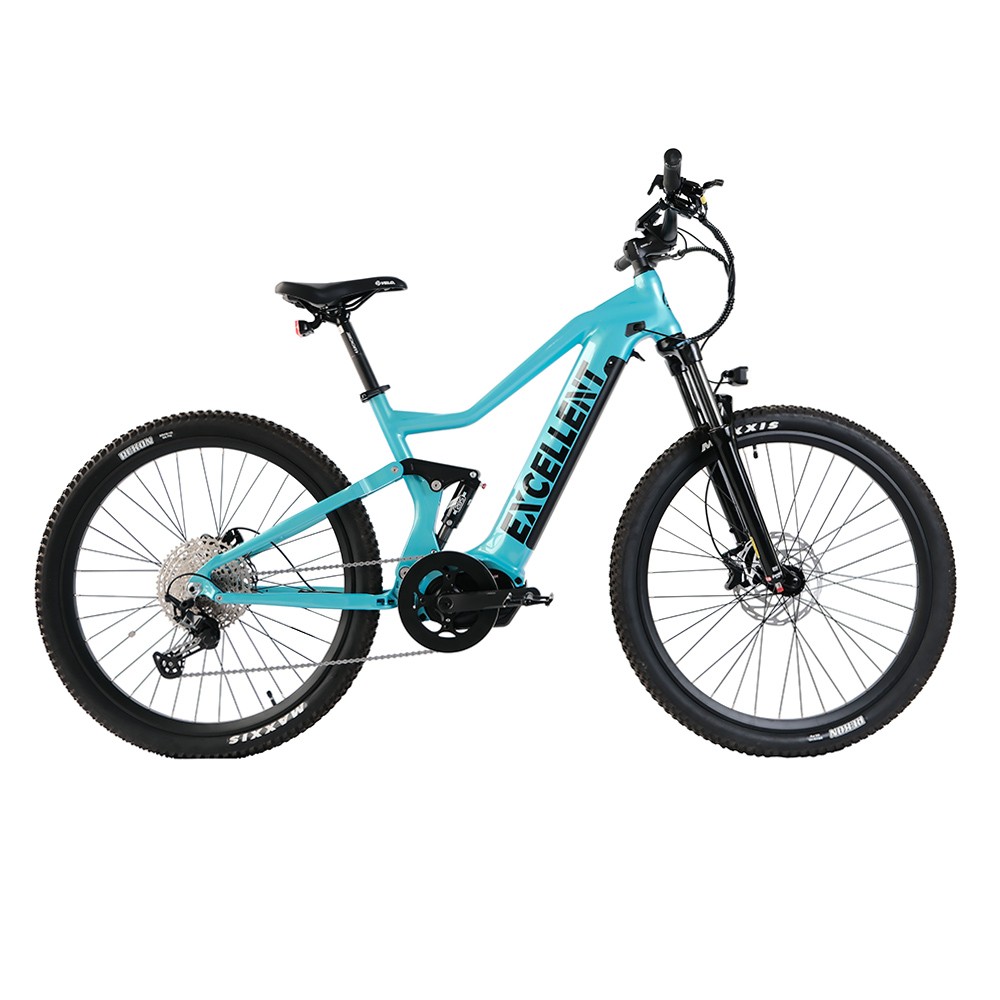
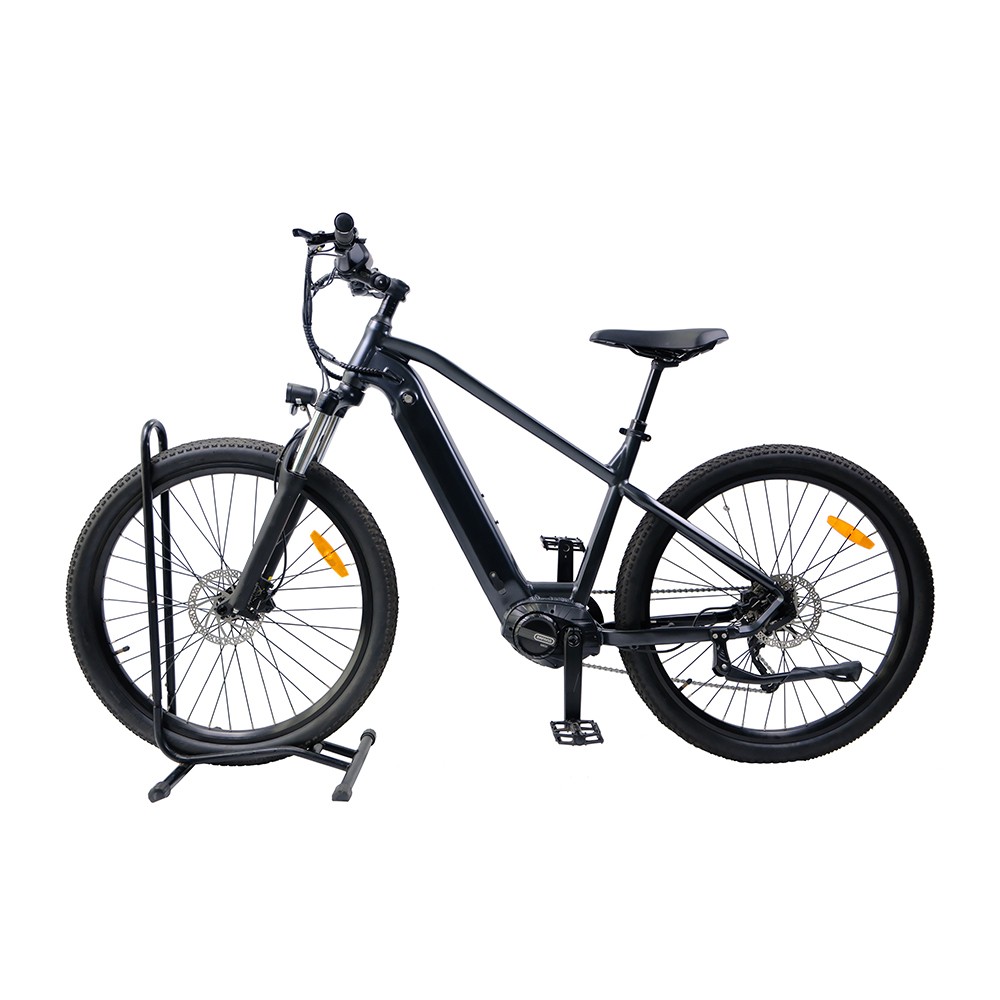
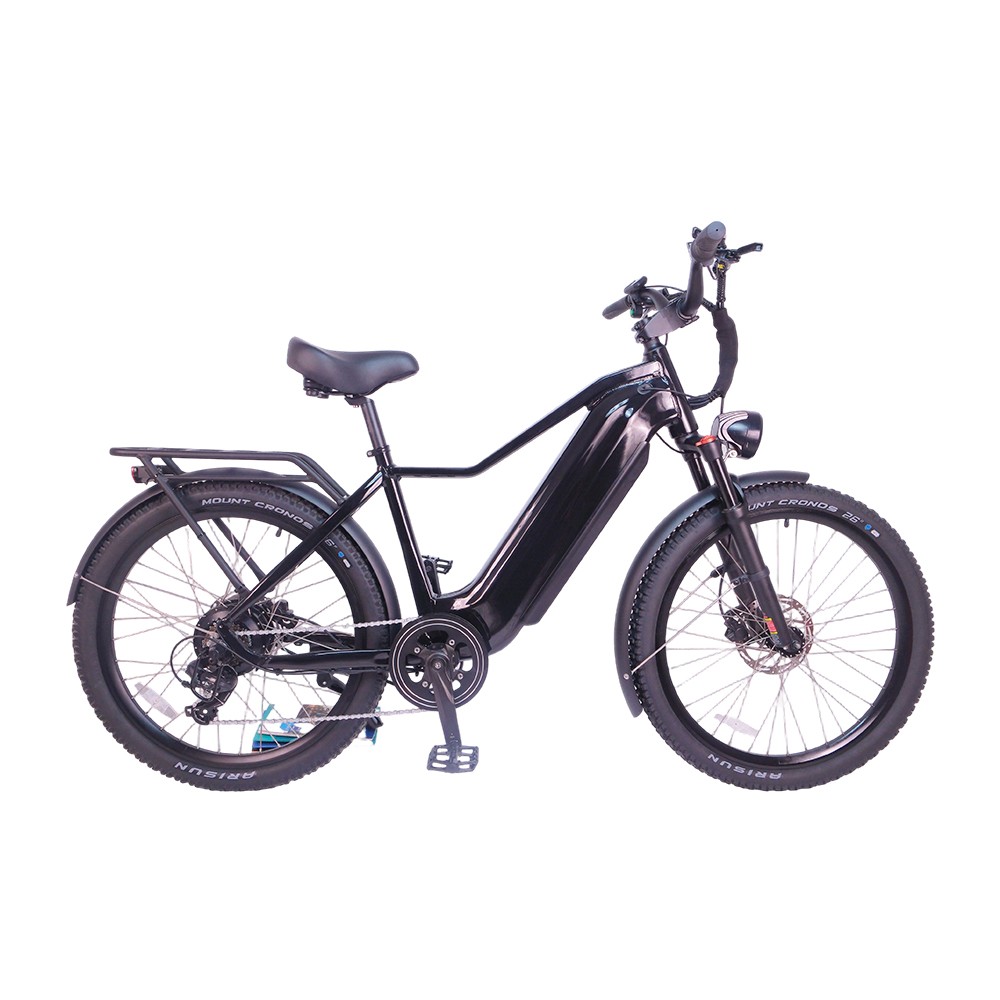
· Motor: Match local power limits; torque sensor better for loaded riding. Mid-drive motors suit hilly areas.To fully understand IoT electric bikes and how smart features enhance fleet oversight, review our in‑depth guide.
· Battery: Removable type recommended; ≥600Wh. Choose temperature-adapted batteries for tropical/cold regions.
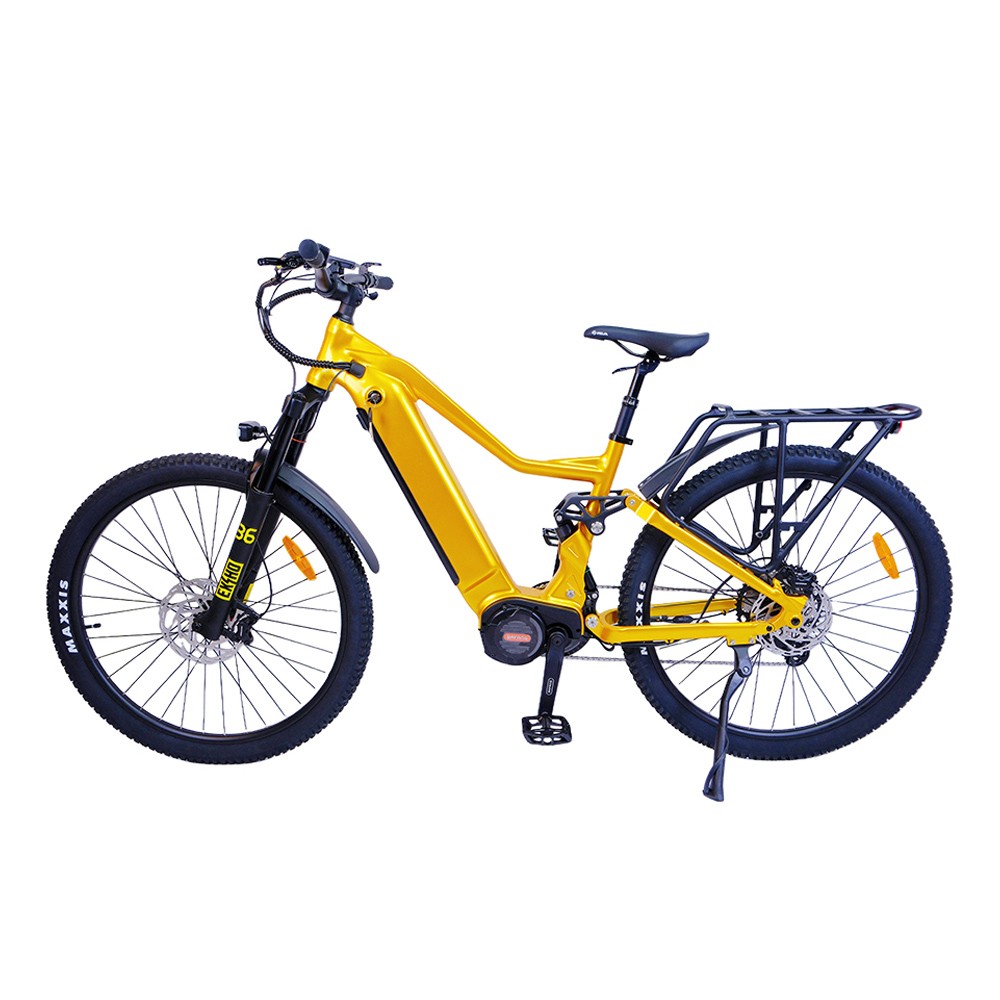
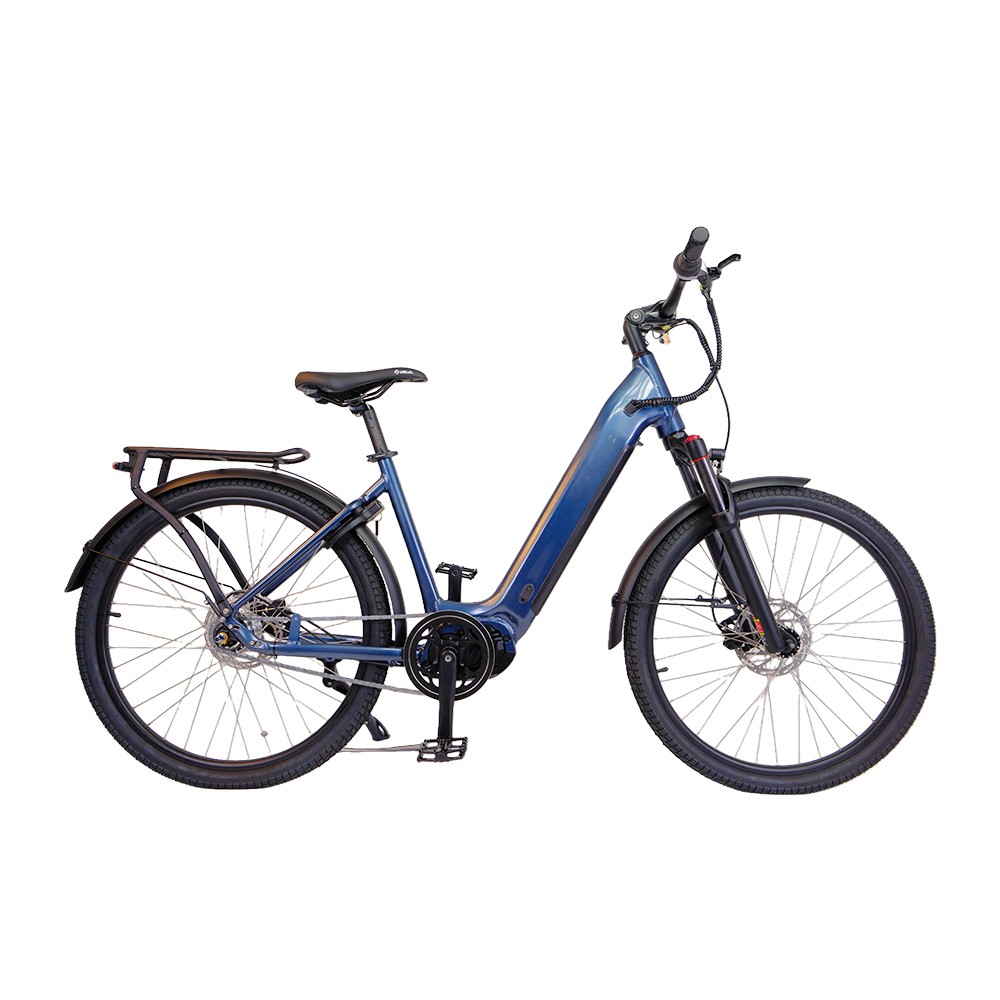
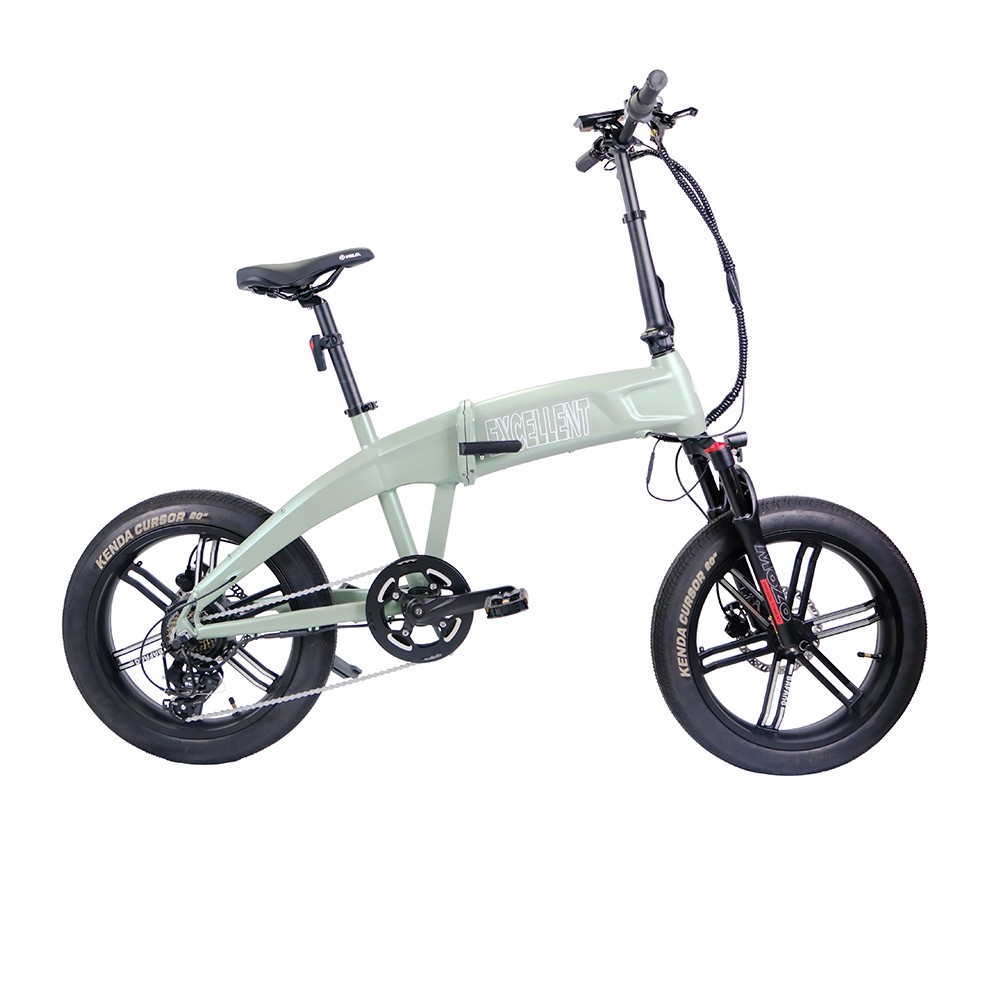
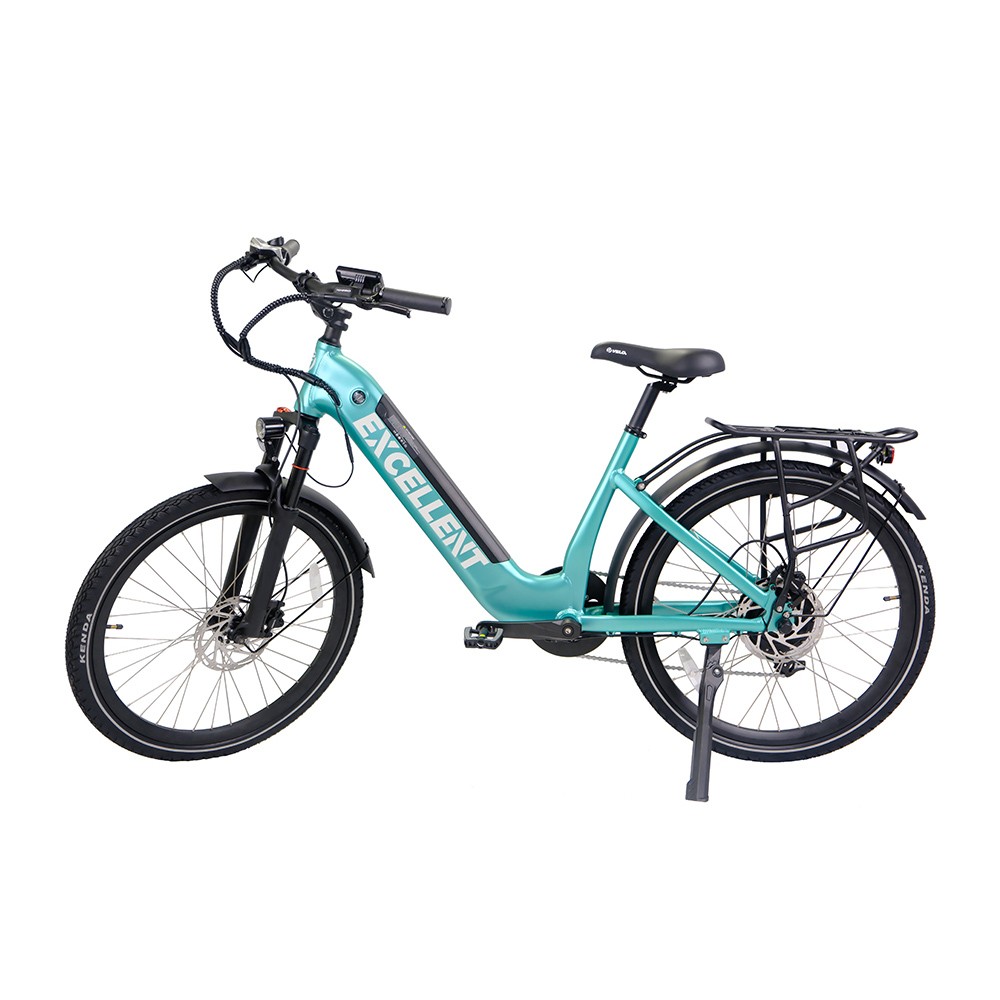
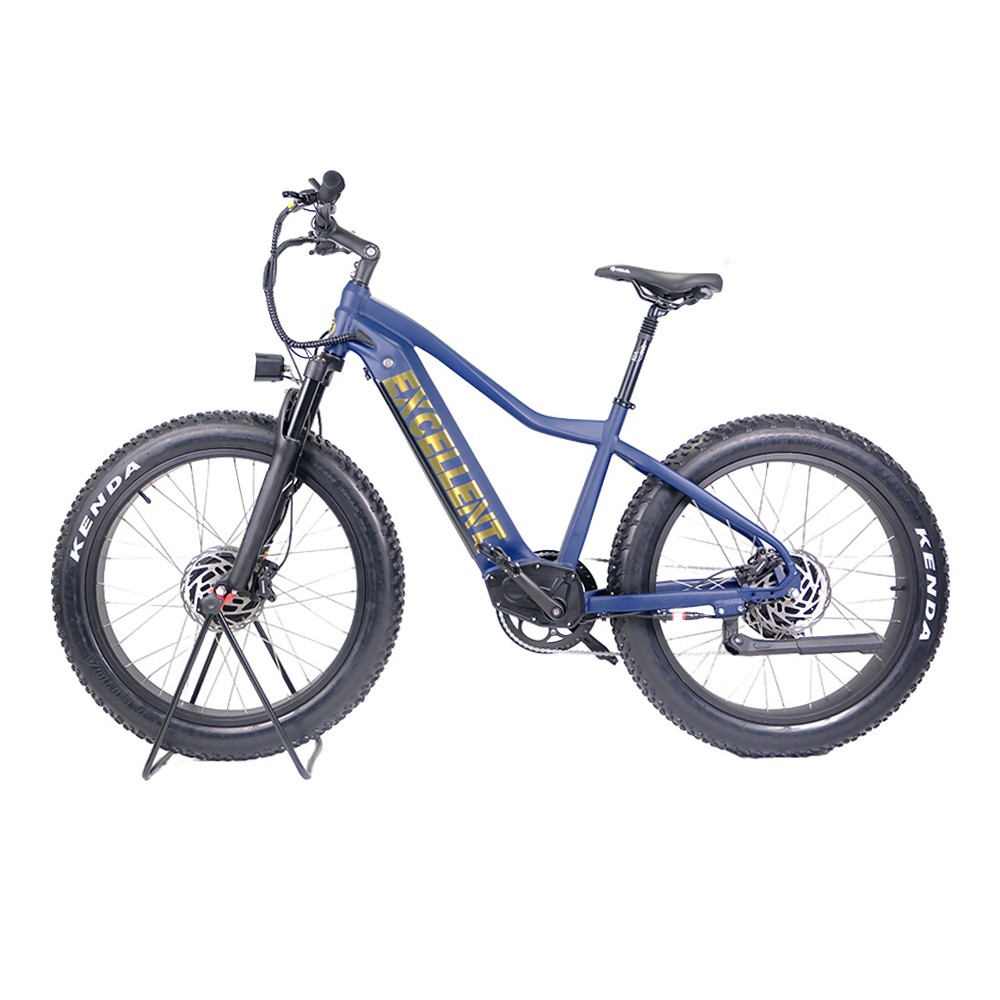
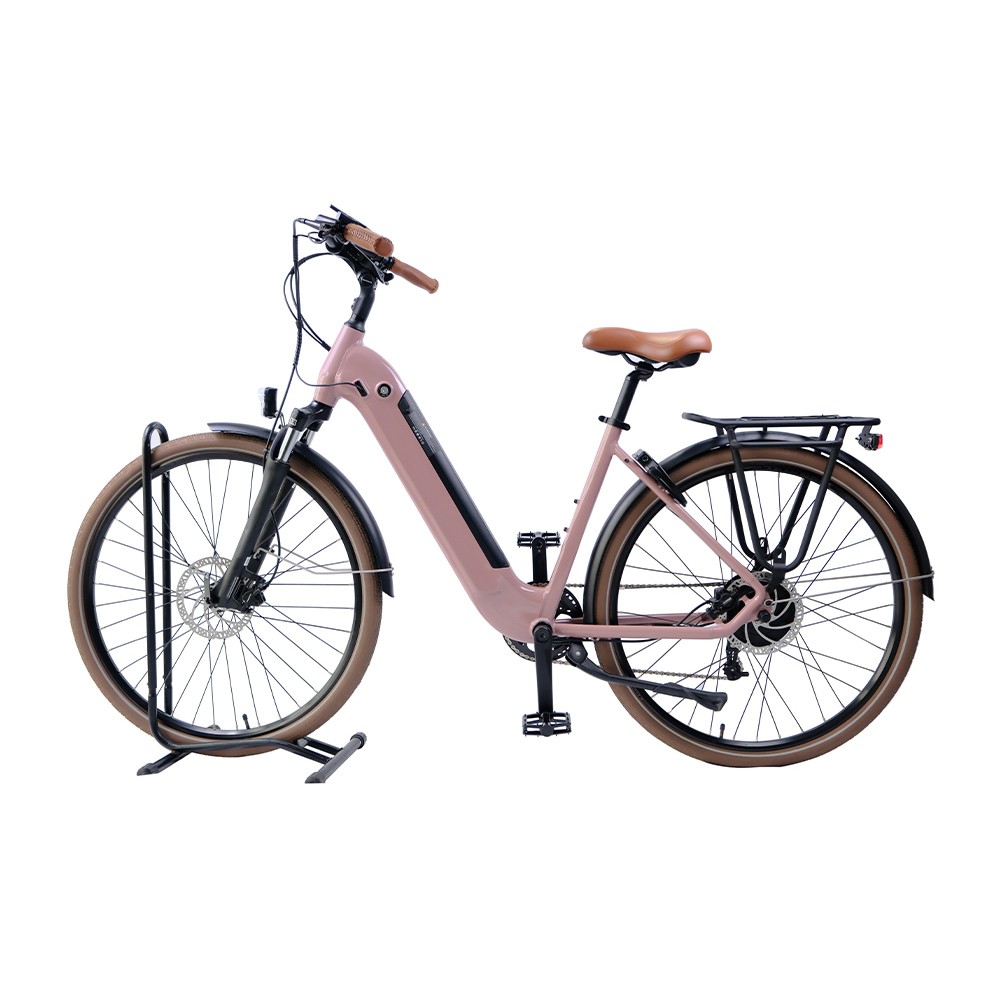
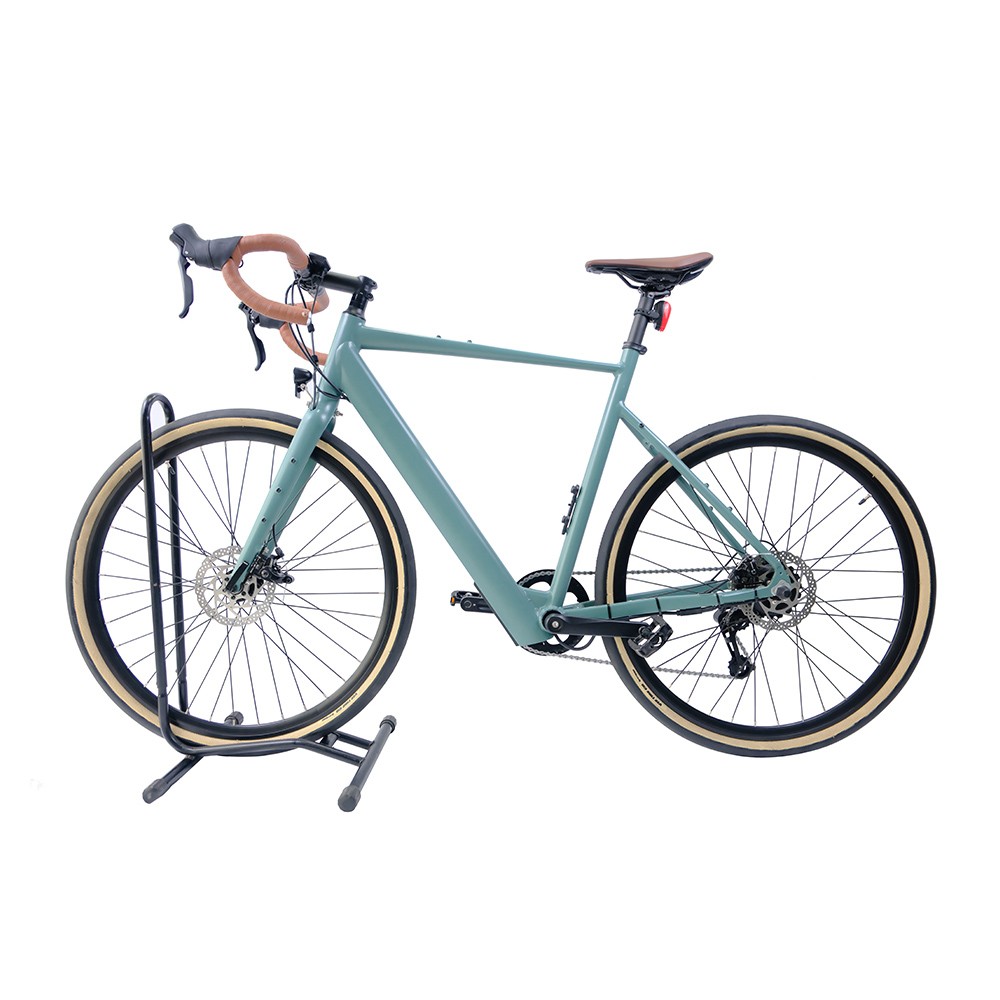
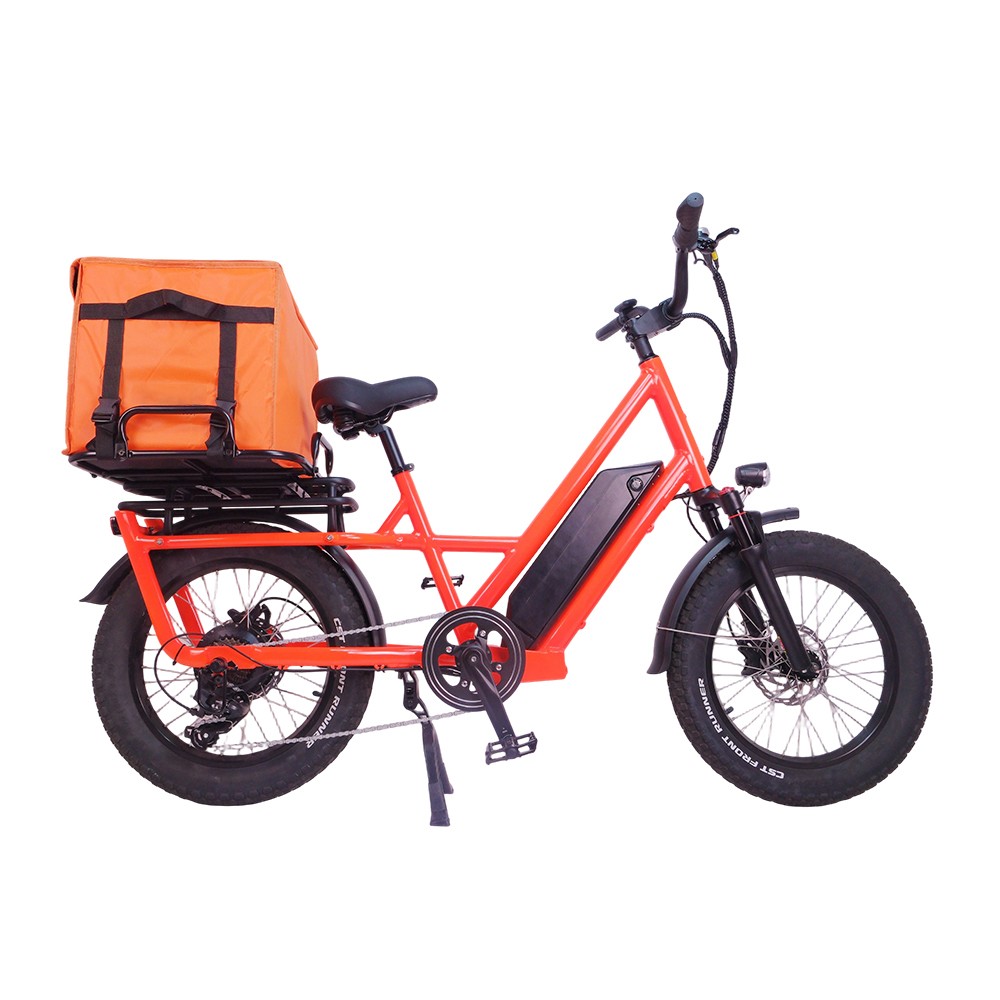
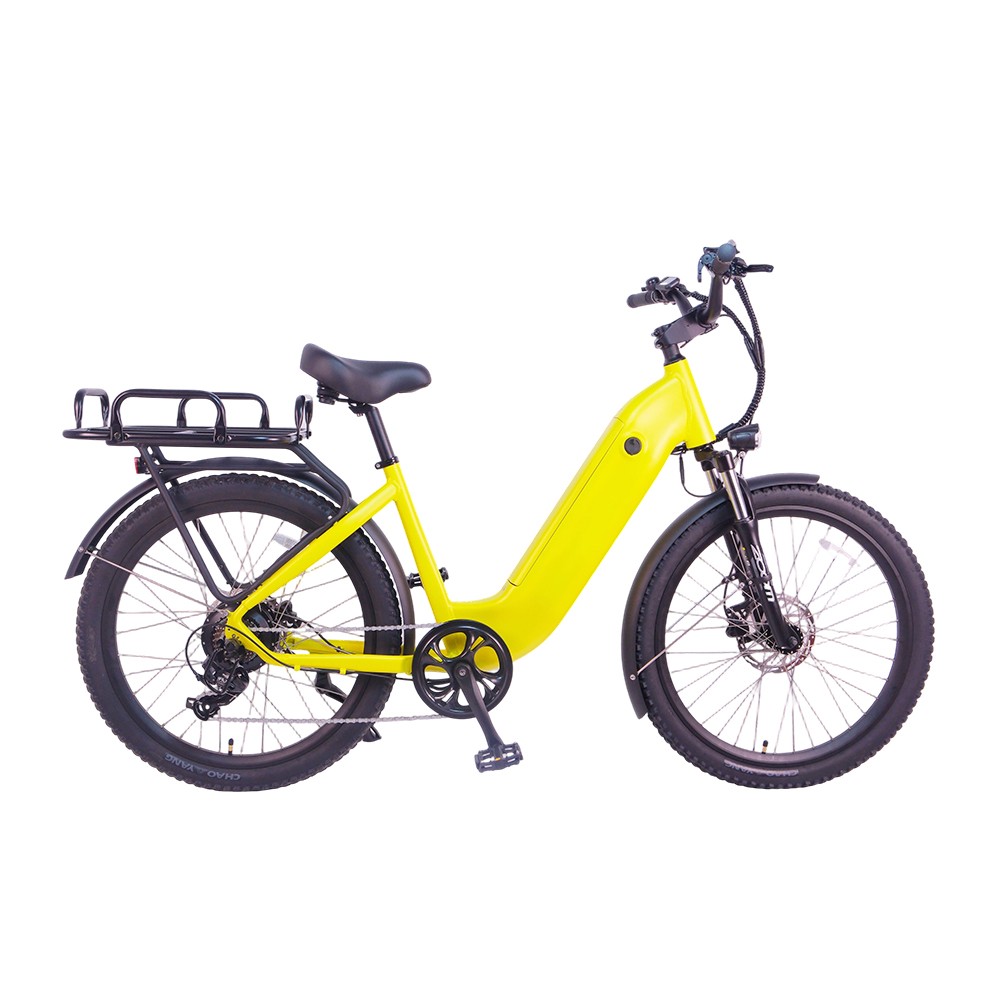
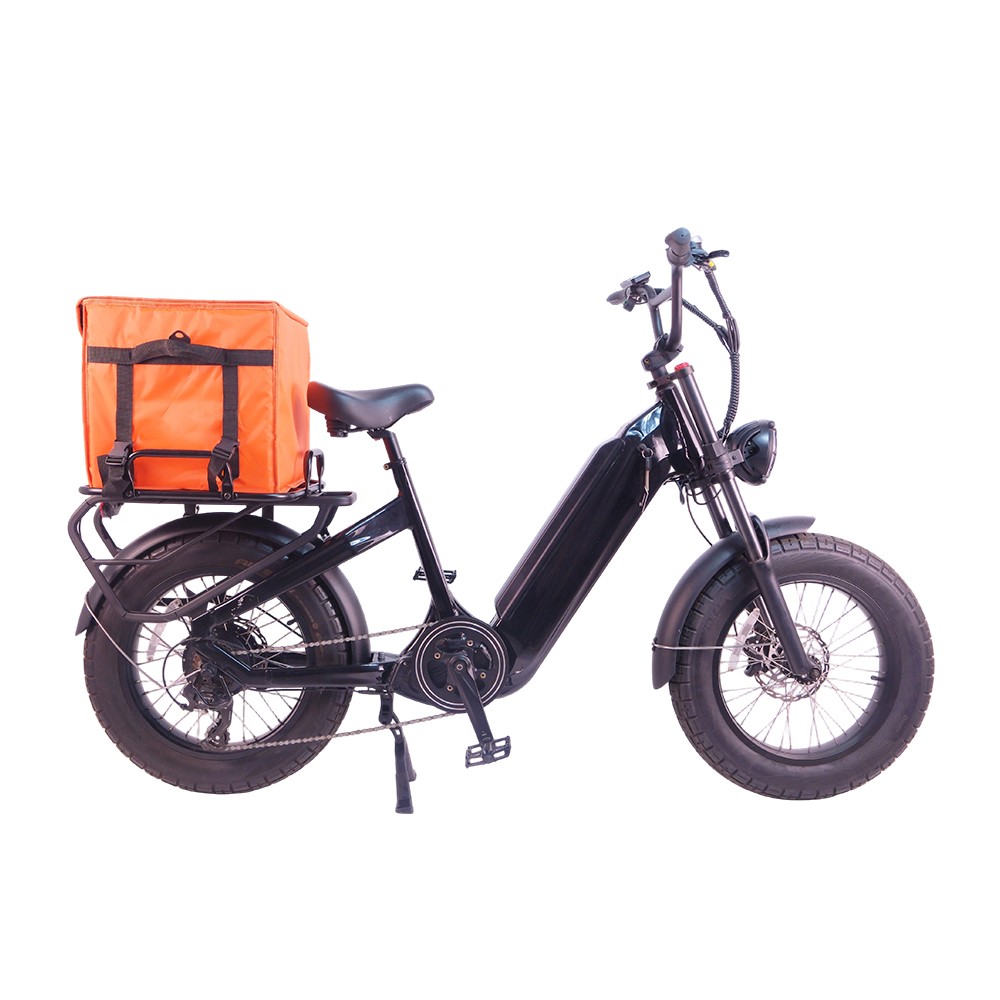
· Frame: Compact utility bike for food delivery; longtail cargo bike for groceries. Reinforced aluminum frame.
· Safety: Hydraulic disc brakes, puncture-resistant tires, IPX4+ waterproof, lights and heavy-duty kickstand.
4. Supplier & after-sales
Prioritize suppliers with accessible overseas spare parts. Confirm clear warranty for frame, motor and battery.How to select a reliable supplier is a critical step in ensuring your fleet stays on the road and your business runs without interruption.
5. Logistics & operation notes
· Complete battery transport documents to prevent customs detention.
· Budget for import duties and VAT.When calculating your total investment, factor in delivery fleet costs including spare parts inventory and commercial insurance to avoid unexpected financial strain.
· Buy commercial insurance; personal insurance does not cover delivery work.
Brief Selection Tips
· EU: 250W pedal-assist, CE certified, no throttle
· USA: Class 2 750W e-bike with throttle, UL certified
· Southeast Asia: High waterproof & heat-resistant batteries, verify throttle legality first
