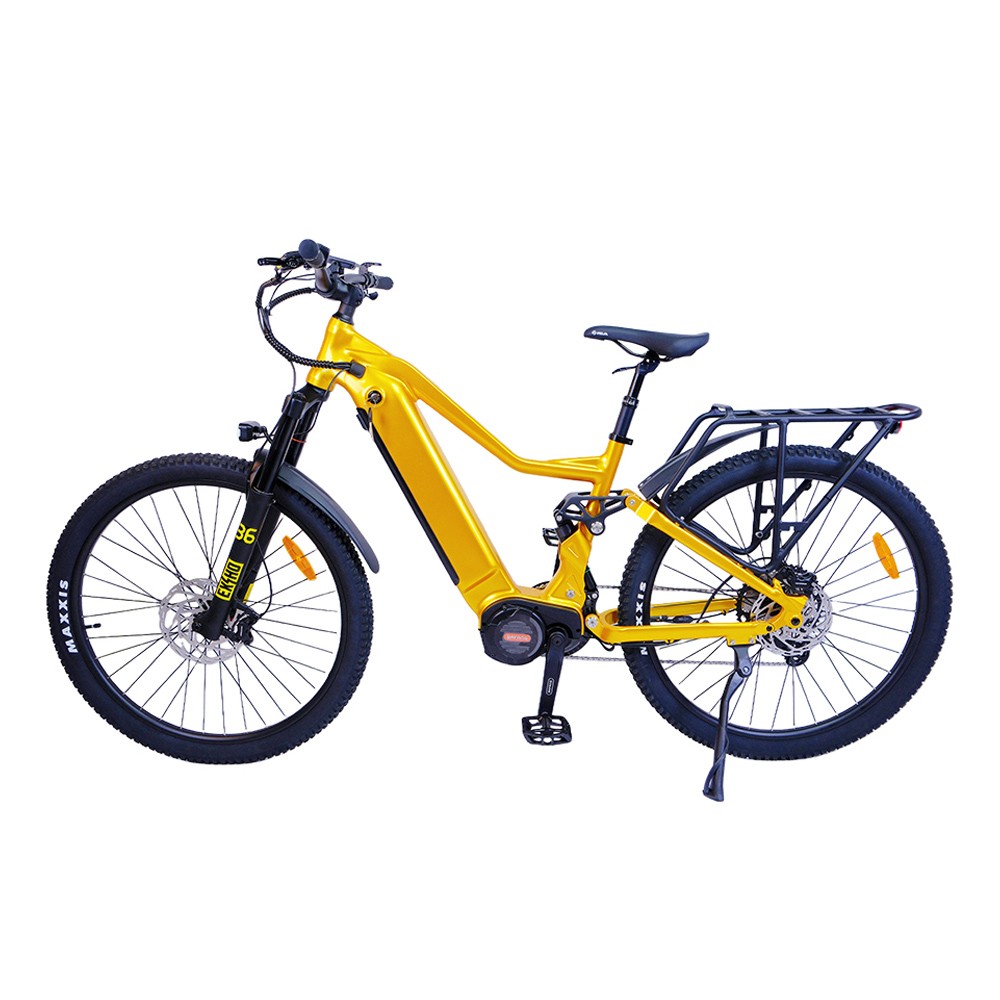
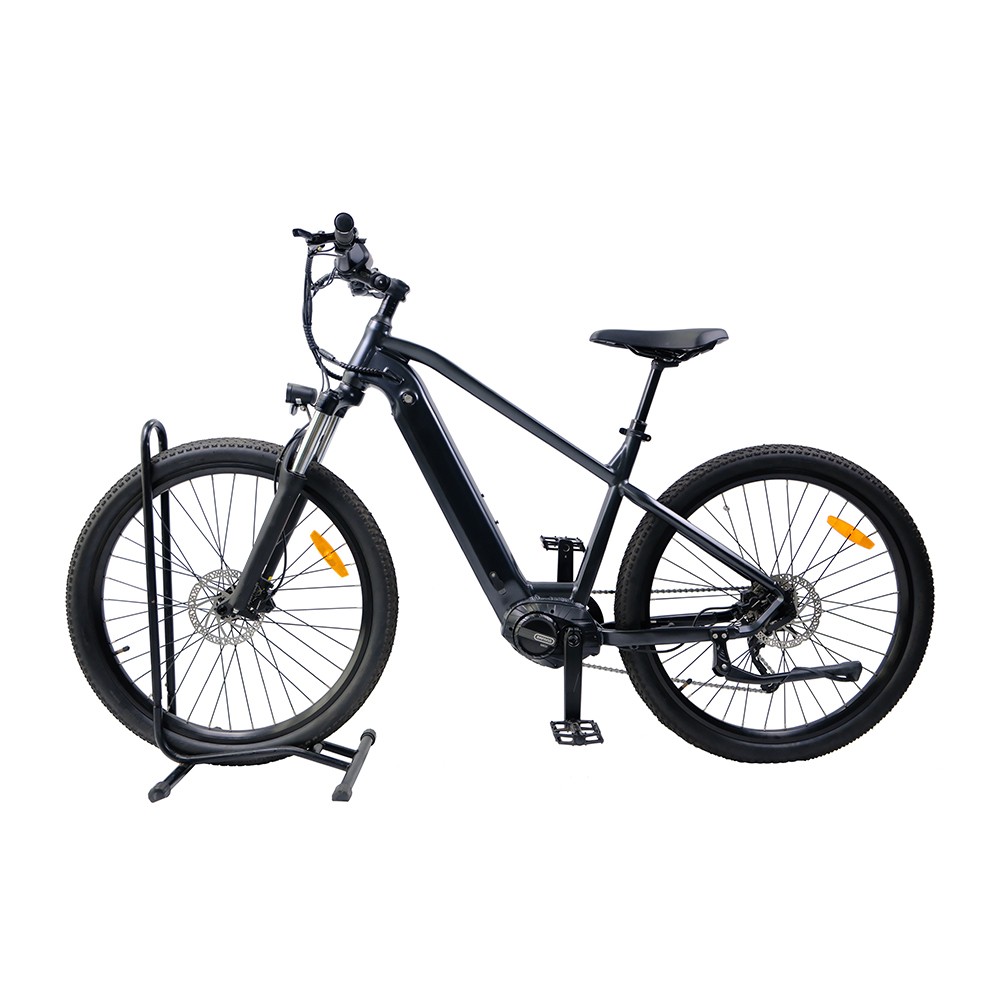
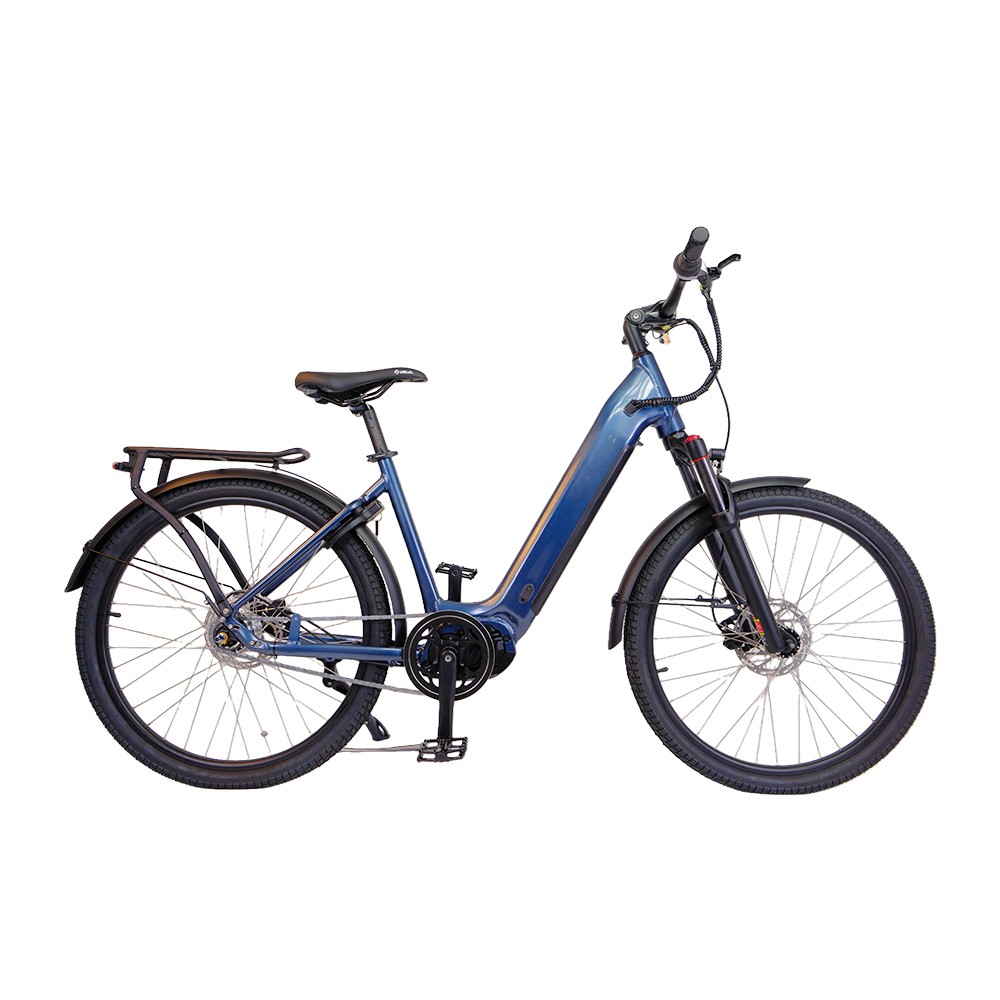
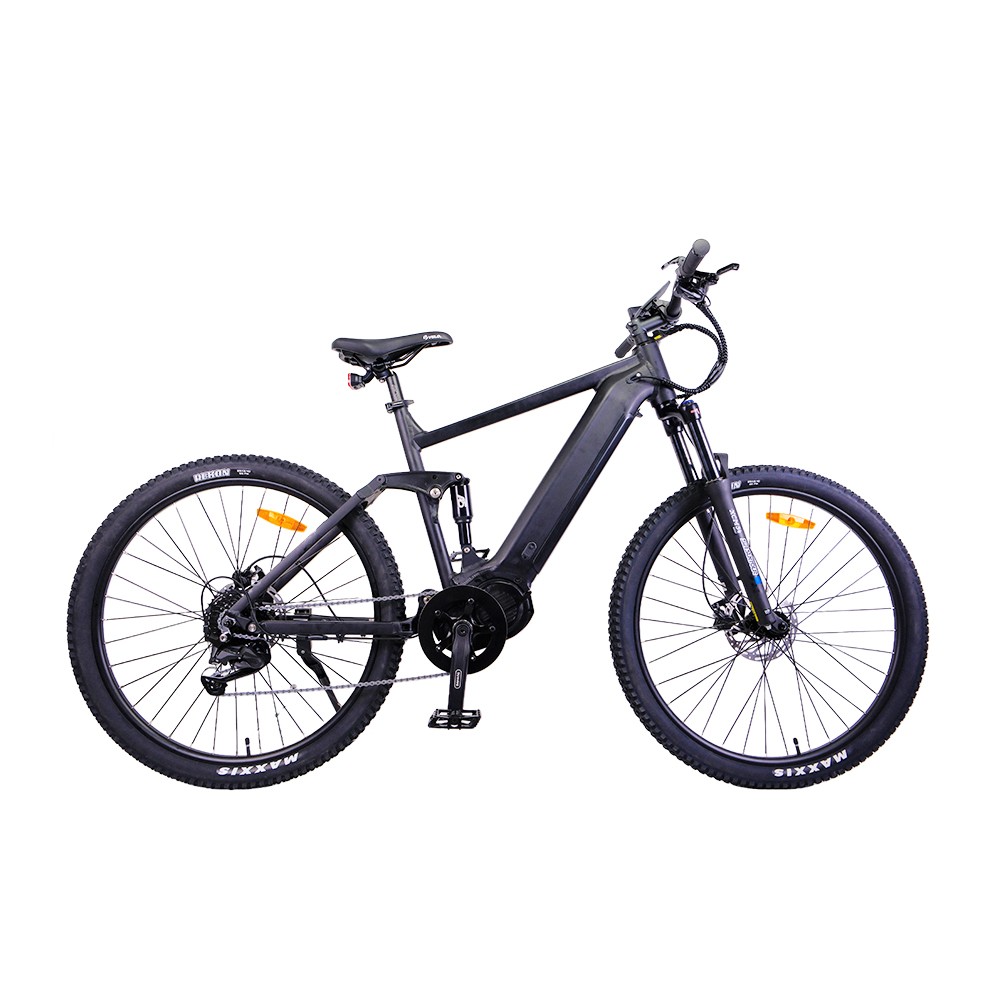
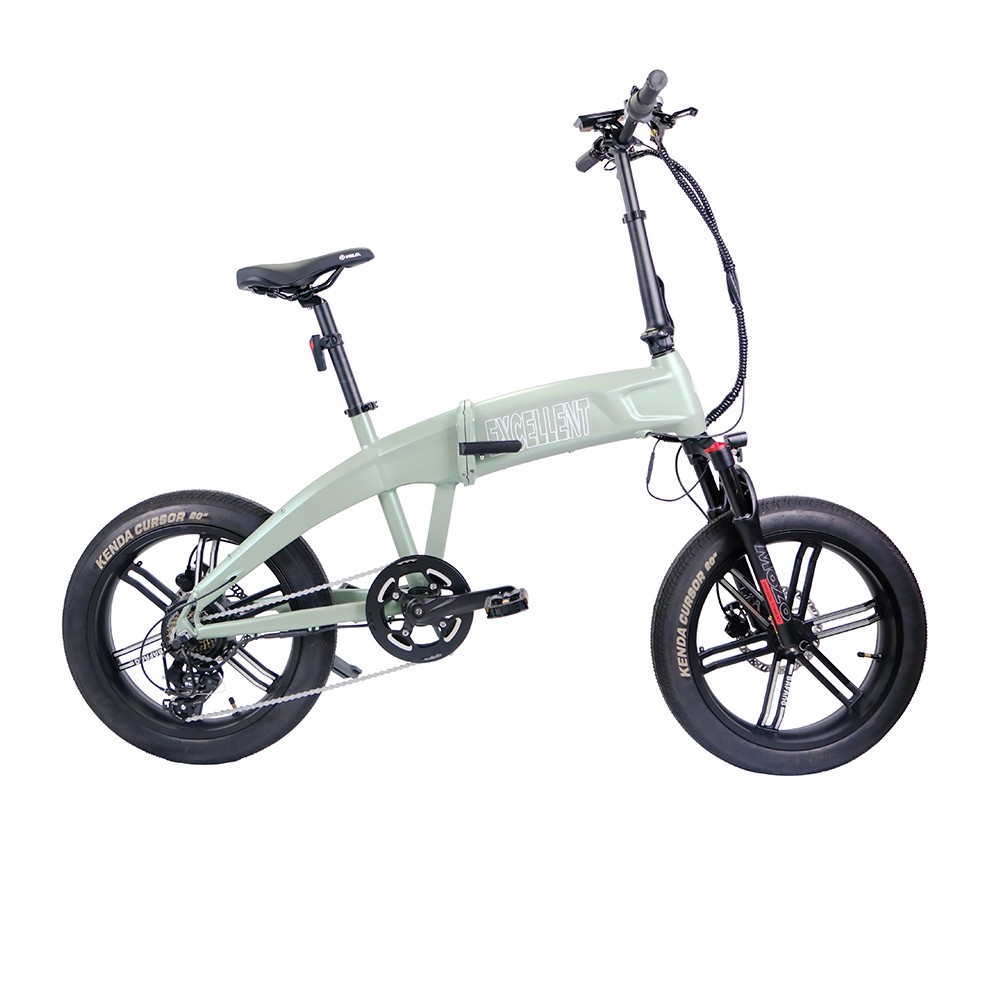
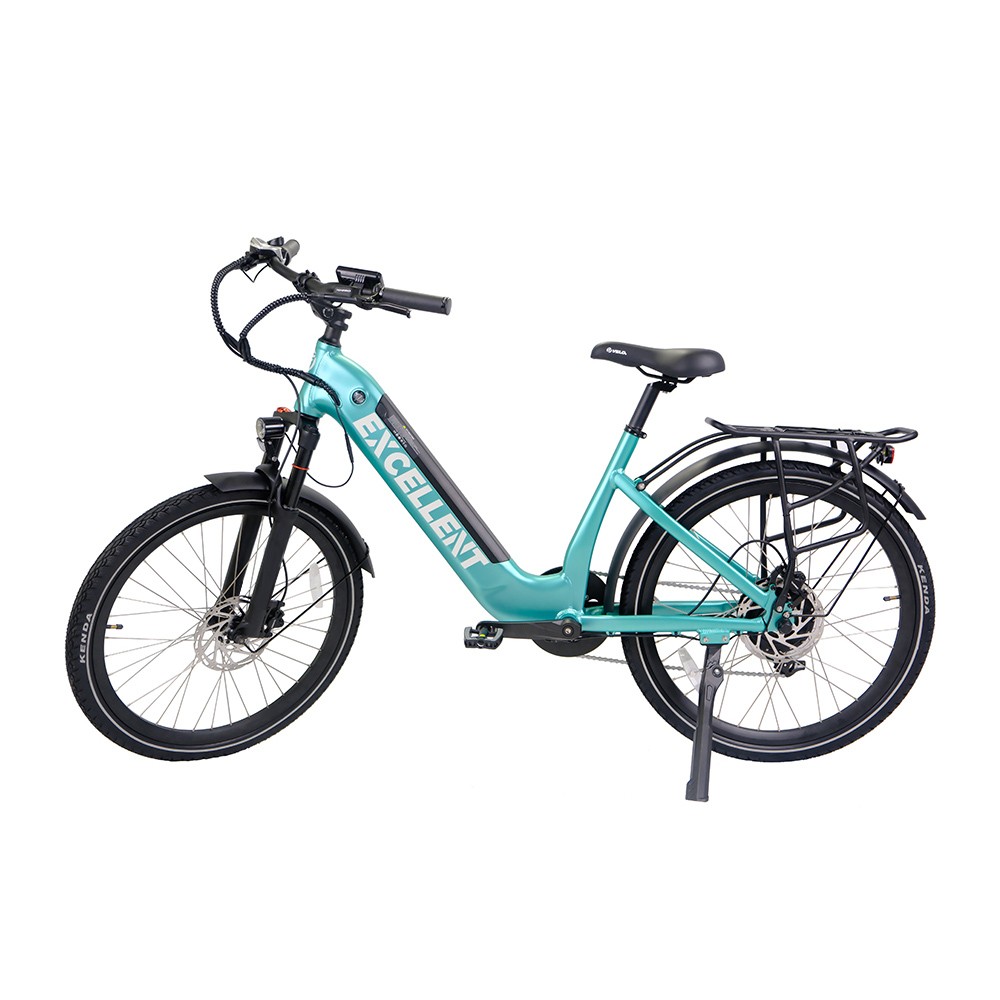
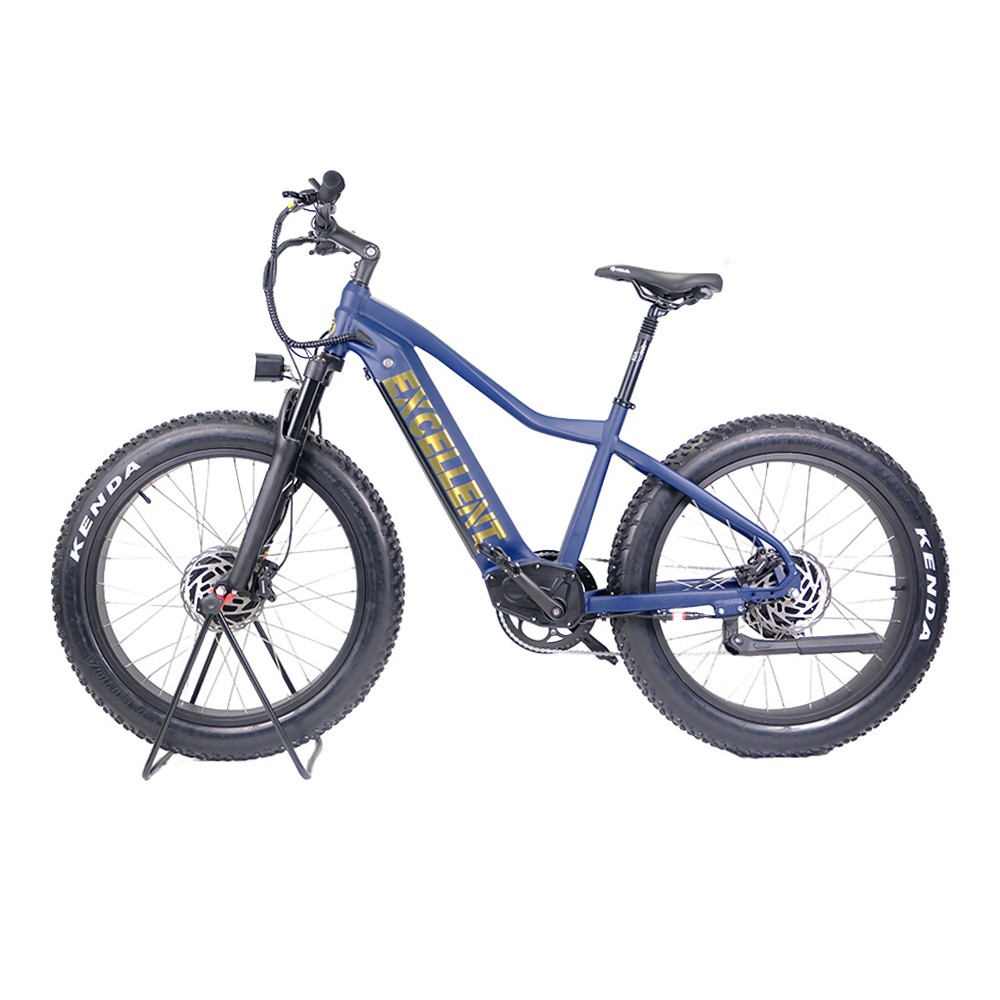
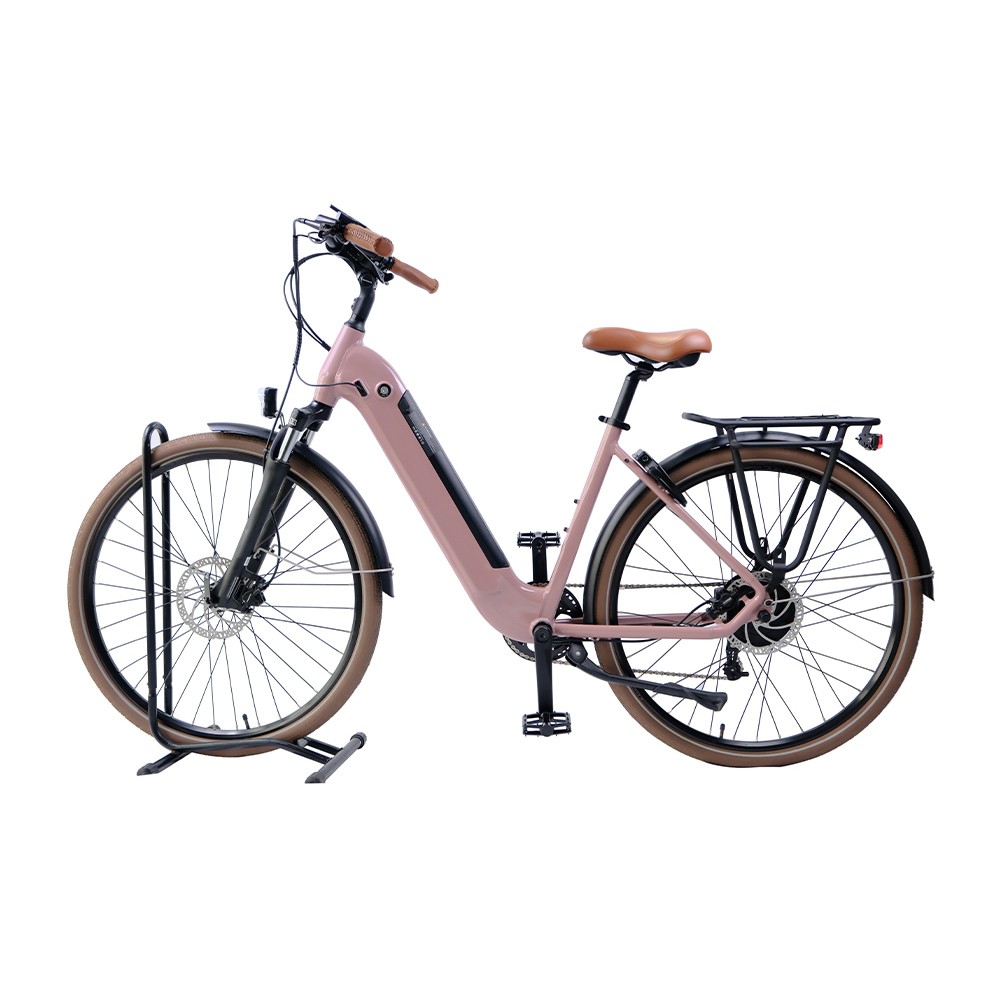
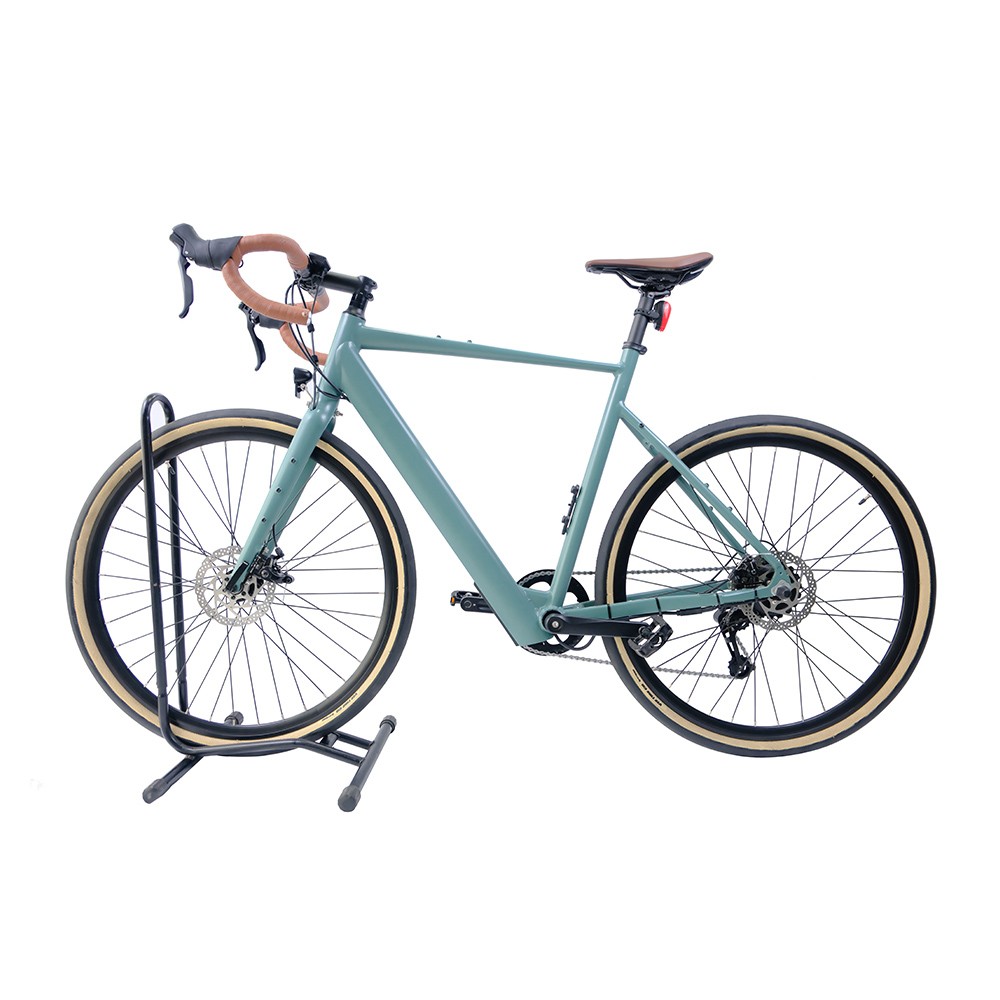
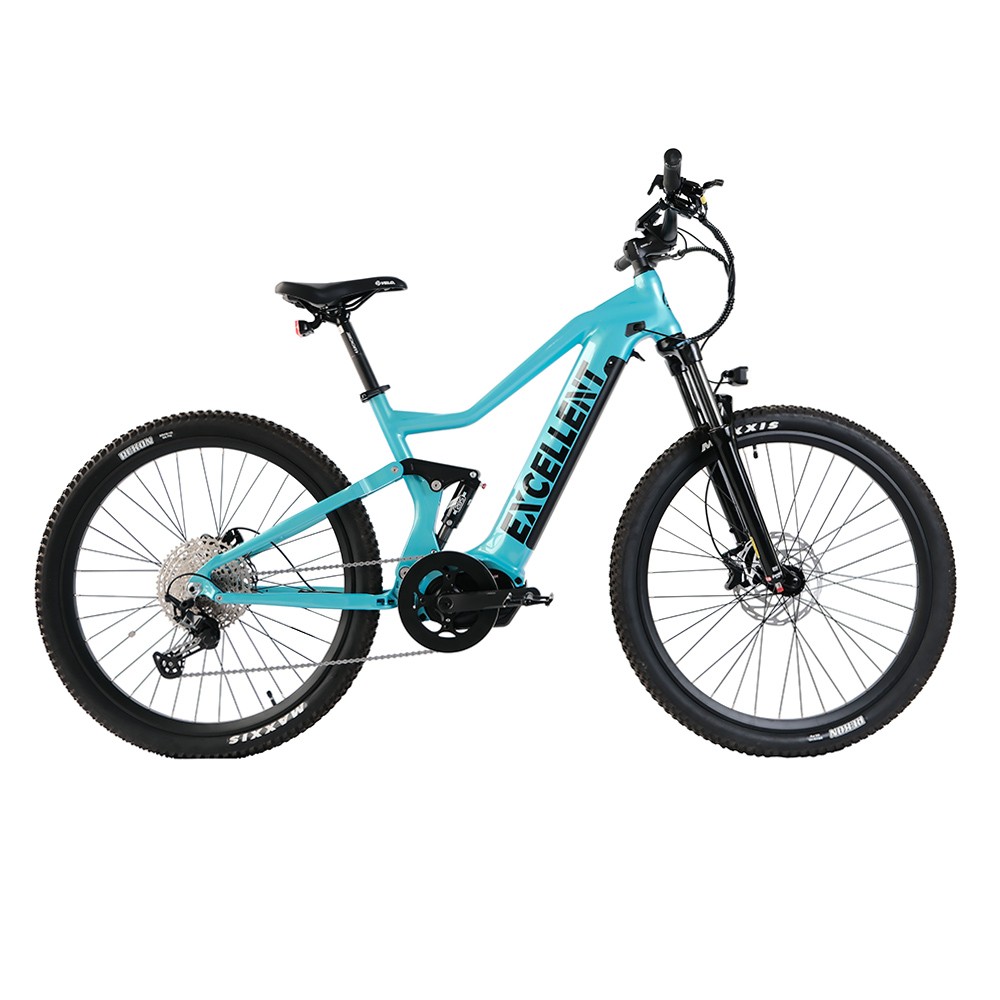
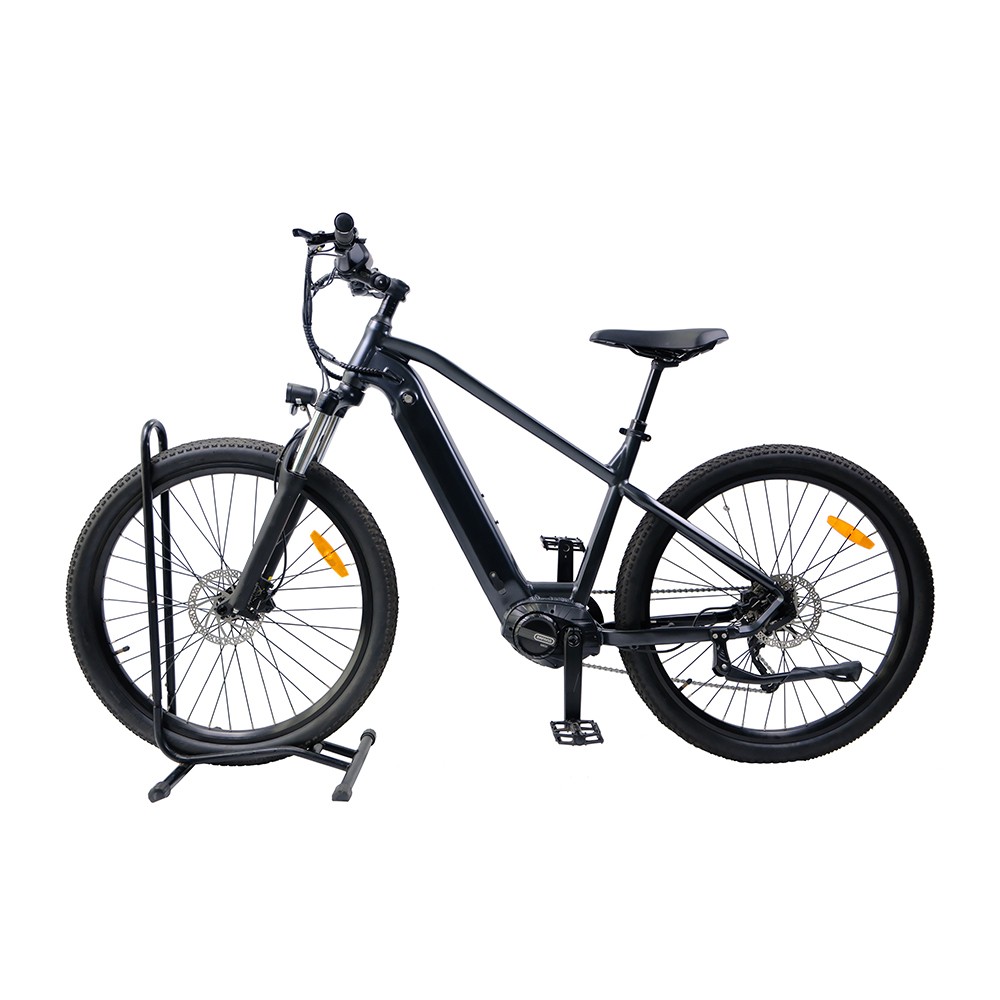
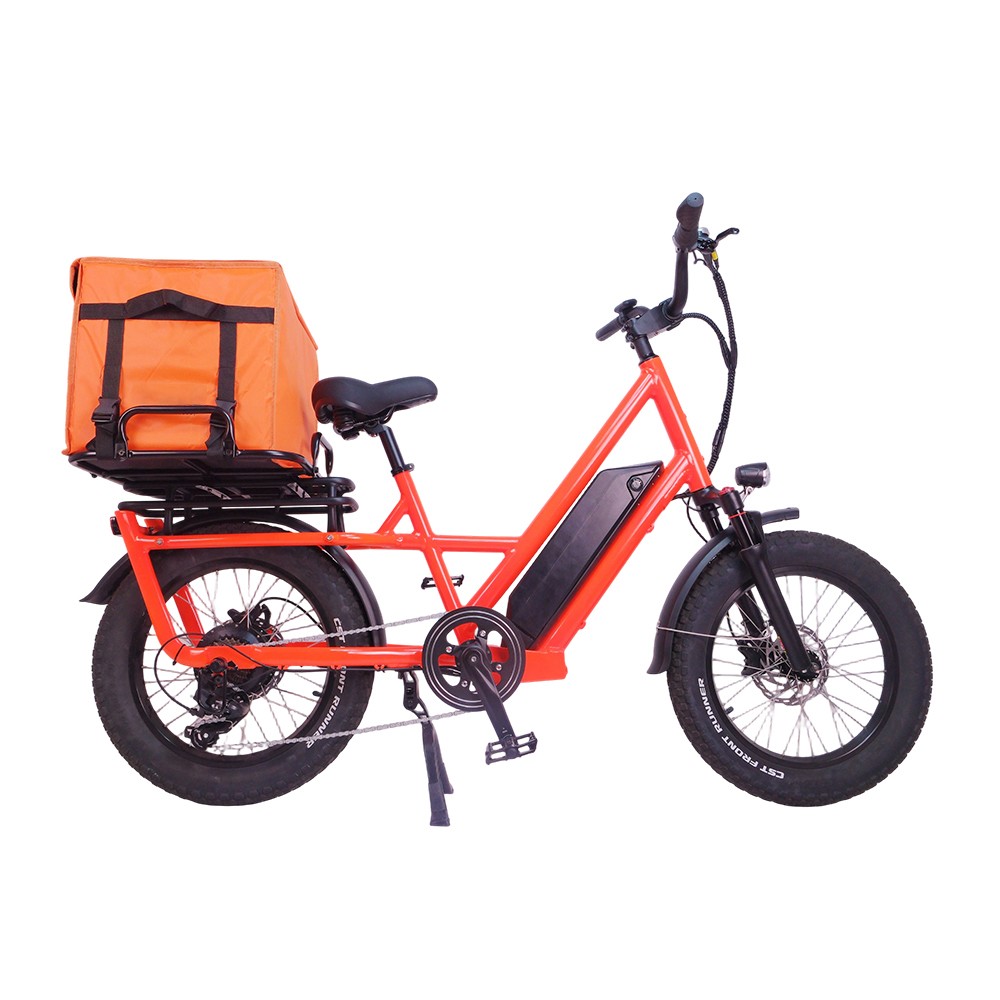
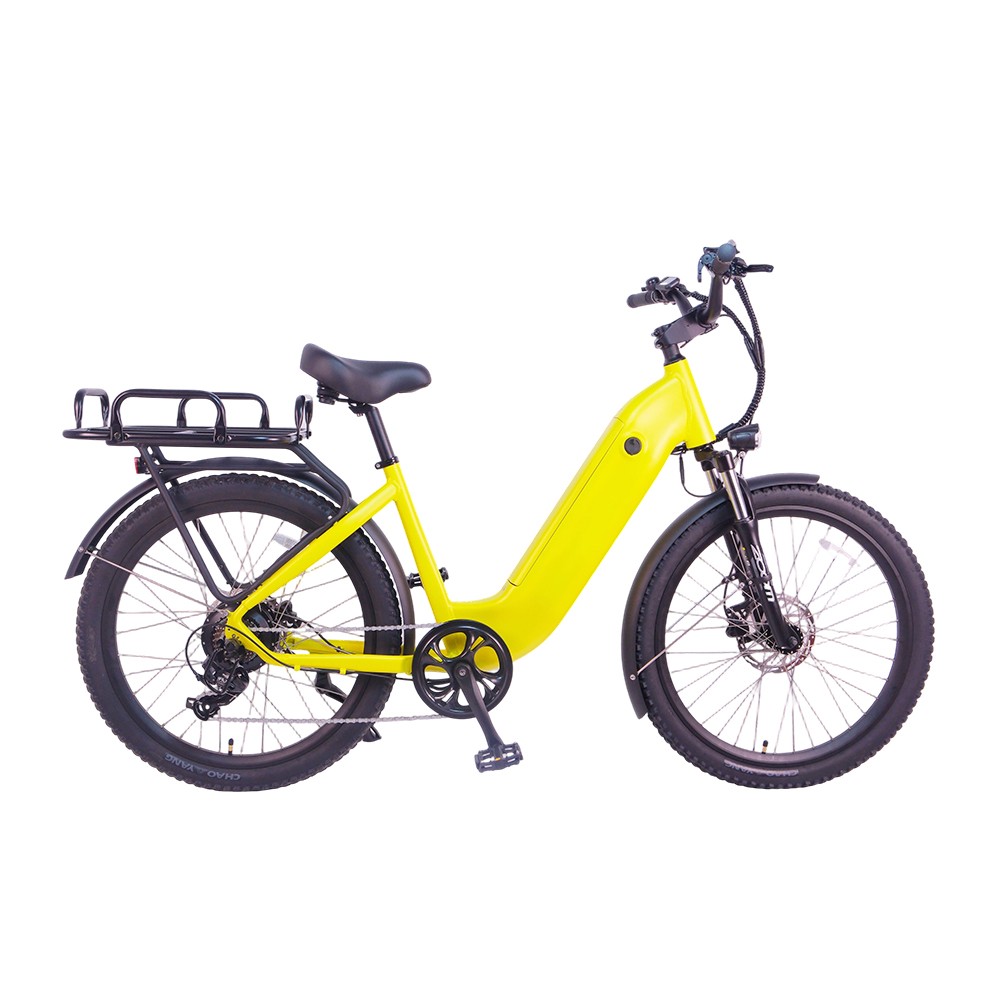
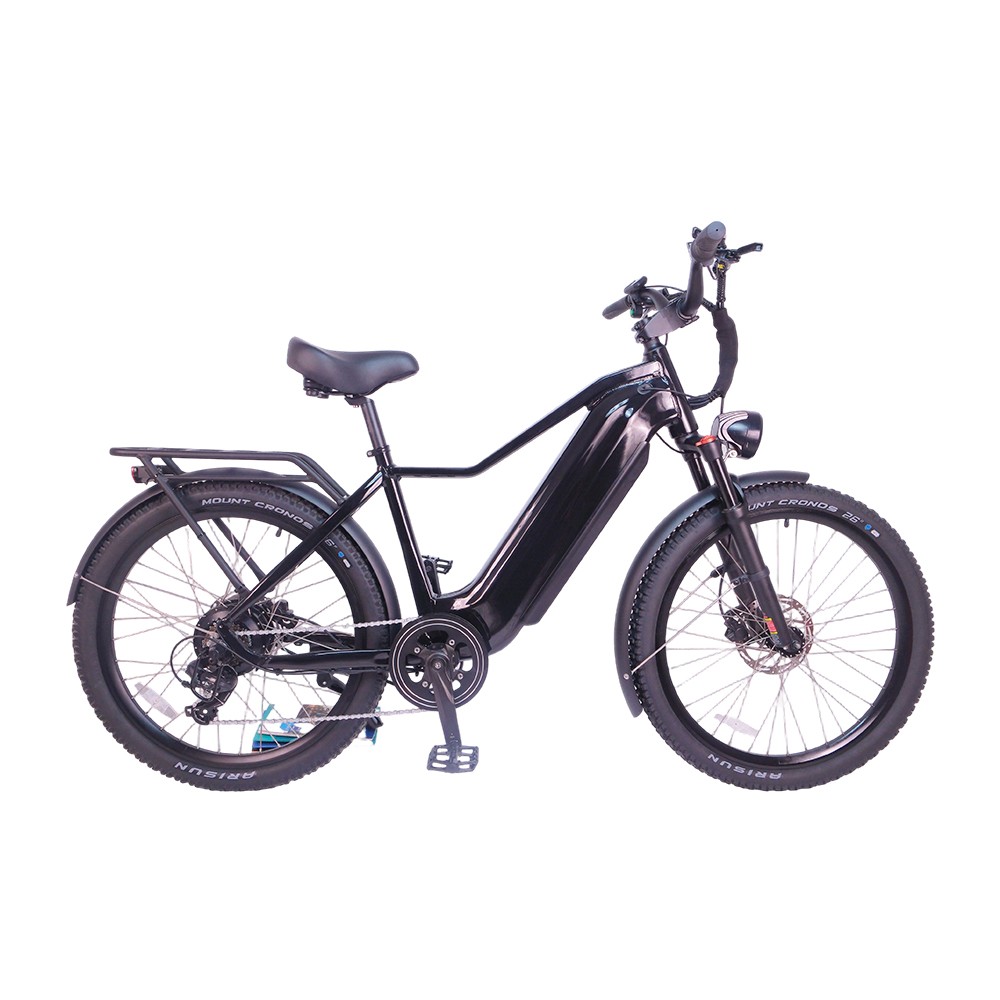
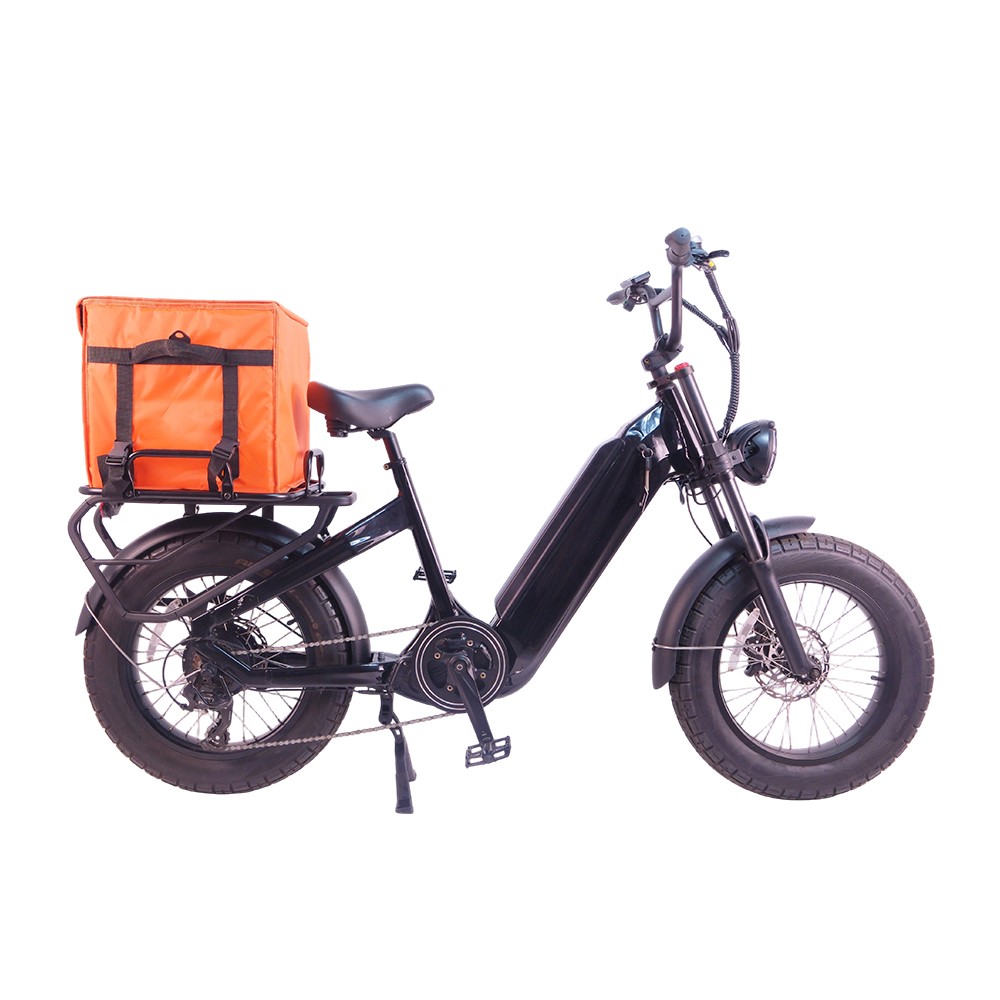
When shopping for or adopting delivery e-bike fleet software, fleet operators look far beyond standard vehicle tracking. They are managing expensive, highly vulnerable assets operated by high-turnover gig or shift workers in punishing urban environments.
Fleet managers evaluate delivery e-bike software based on the following key operational concerns:
1. Battery Health & Range Anxiety
Operating an electric fleet means constant energy calculation. Operators need software that prevents riders from getting stranded mid-shift.
· Real-Time State of Charge (SoC): Displays exact battery percentages across the whole fleet on one dashboard.
· Range Estimation: Accurately projects remaining kilometres based on current battery health, terrain, and cargo load.
· Battery Lifecycle Tracking: Monitors long-term battery degradation so operators can retire or refurbish packs before they drop below profitable capacity.
2. High-Value Asset Security & Theft Prevention
E-bikes are prime targets for opportunistic theft and organized crime. Operators need robust tools to protect their heavy hardware investments.
· Remote Immobilization: The ability to digitally lock the motor or shut off power if a bike is reported stolen or goes out of bounds.
· Geofencing: Instant alerts if a bike enters a high-risk zone or leaves its assigned delivery territory.
· Low-Power GPS Standby: Dedicated tracking hardware that can broadcast locations for days even if the main e-bike battery is pulled out or completely drained.
3. E-Bike Specific Routing & Dispatching
Traditional GPS routing built for cars or vans fails catastrophically for two-wheel last-mile delivery.
· Two-Wheel Infrastructure Routing: Maps out paths using designated bike lanes, avoiding restricted expressways, dangerous intersections, and illegal pedestrian pathways.
· Battery-Aware Smart Dispatching: Algorithms that check a rider's SoC before pushing a delivery order, ensuring long-distance or heavy cargo orders are only assigned to bikes with enough juice.
4. High Maintenance Costs & Equipment Wear
Commercial e-bikes age rapidly due to constant stop-and-go delivery use. Unplanned breakdowns directly translate to lost delivery revenue.
· Predictive Maintenance Diagnostics: Tracks odometer mileage and digital errors from the motor or controller to prompt preventative servicing.
· Wear Analysis: Identifies parts tracking (e.g., brake pads, chains, tires) to catch failures before a rider is deployed.
5. Integration and Interoperability
Operators rarely use just one brand of e-bike or a single isolated application.
· Hardware Agnostic API: Operators concern themselves with whether the software can read data from mixed fleets (e.g., matching a fleet of Specialized e-bikes, custom e-cargo bikes, or swappable battery networks).
· Delivery Engine Integration: Seamlessly syncs with existing Order Management Systems (OMS) like Shopify, WooCommerce, or proprietary point-of-sale systems to automate rider assignments.
