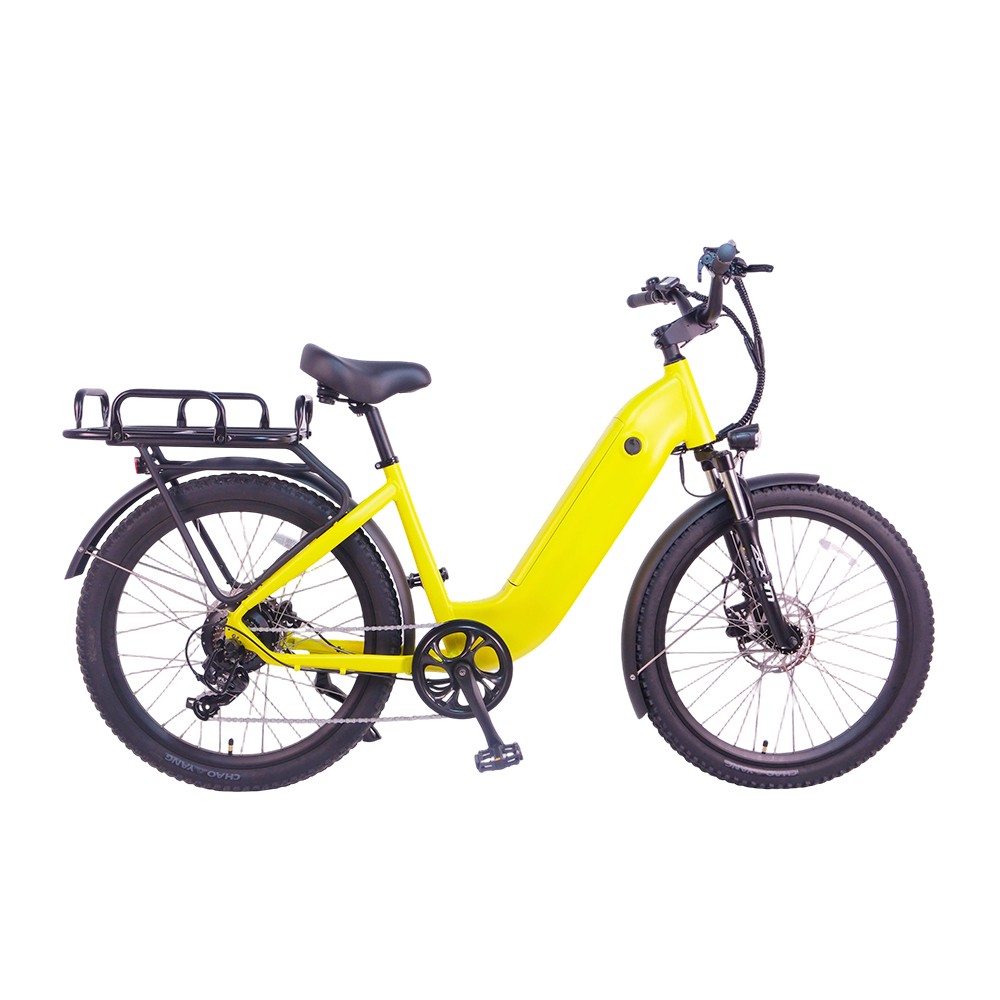
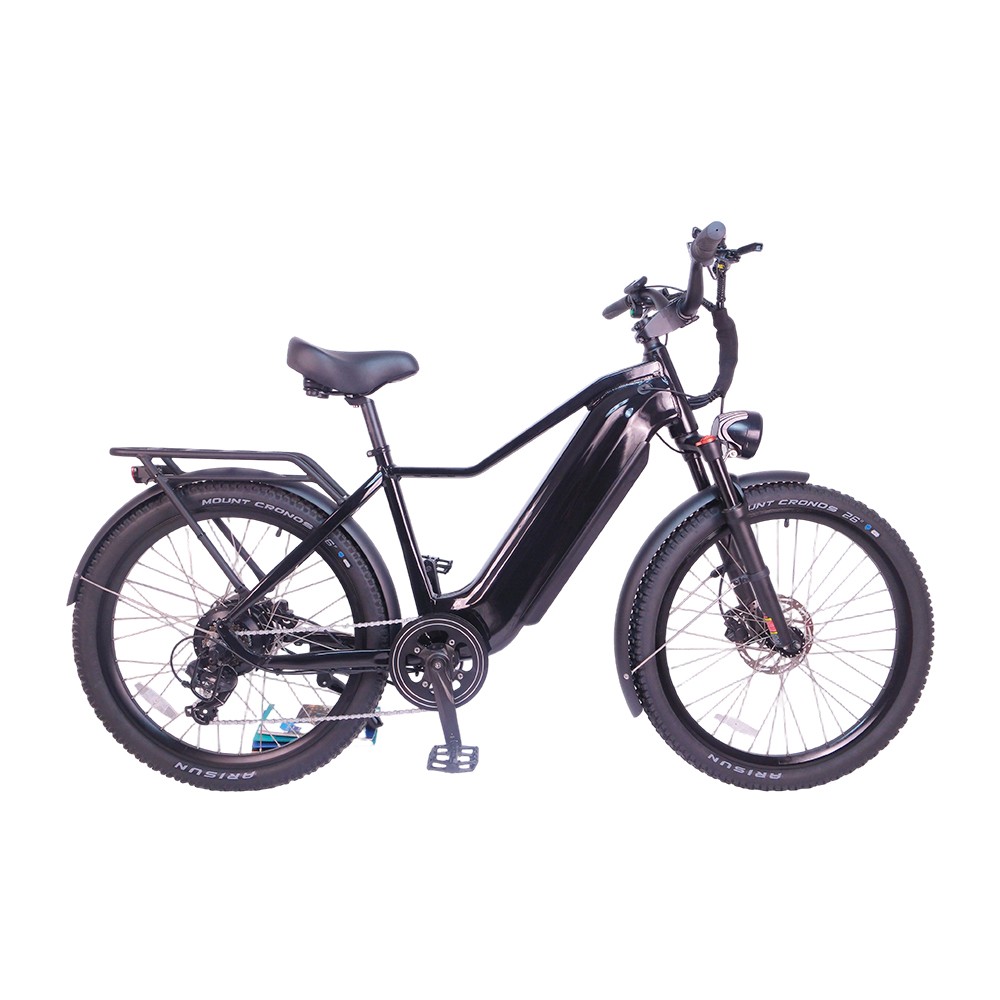
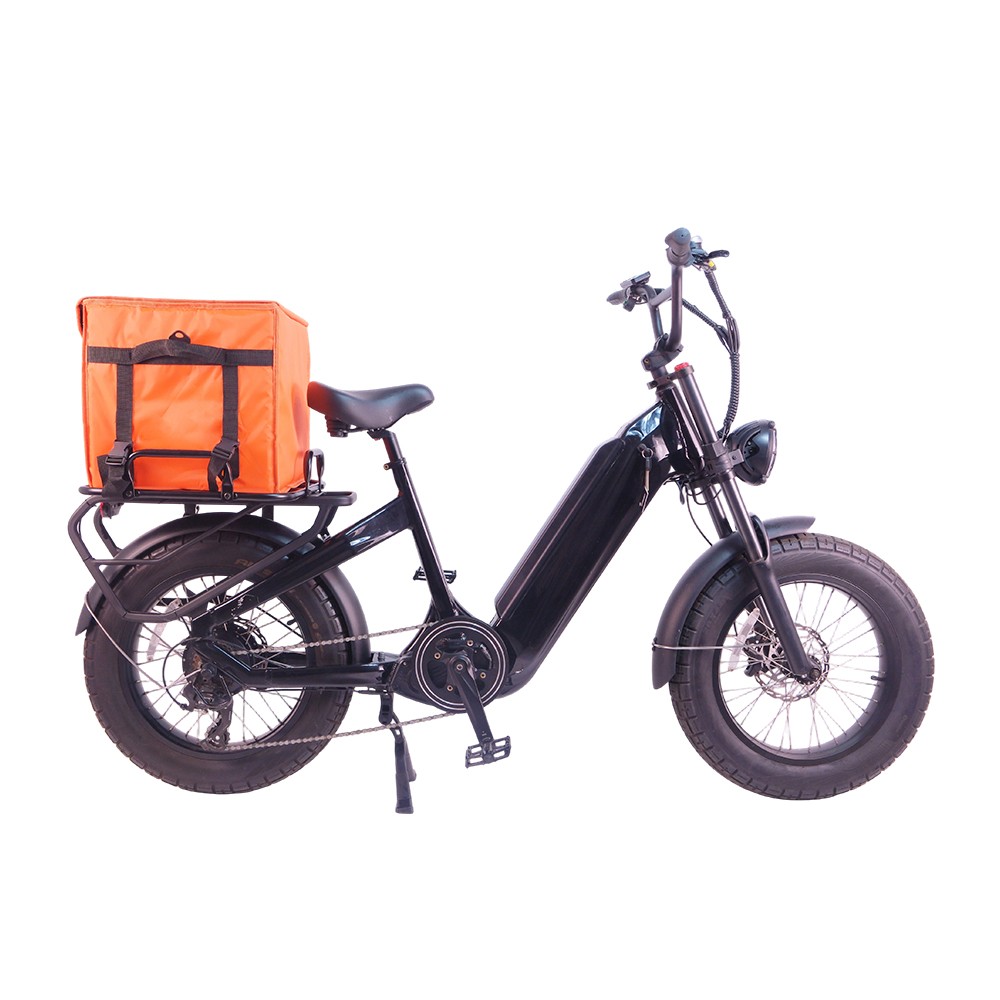
1. Preventive Maintenance Instead of Breakdown Repairs
· Schedule regular inspections of brakes, tires, batteries, motors and wiring on a fixed cycle.
· Replace worn small components (brake pads, bearings) early to avoid costly major failures.
· Record vehicle usage data to identify high-wear units and arrange servicing proactively.
2. Standardize Vehicle Models & Spare Parts
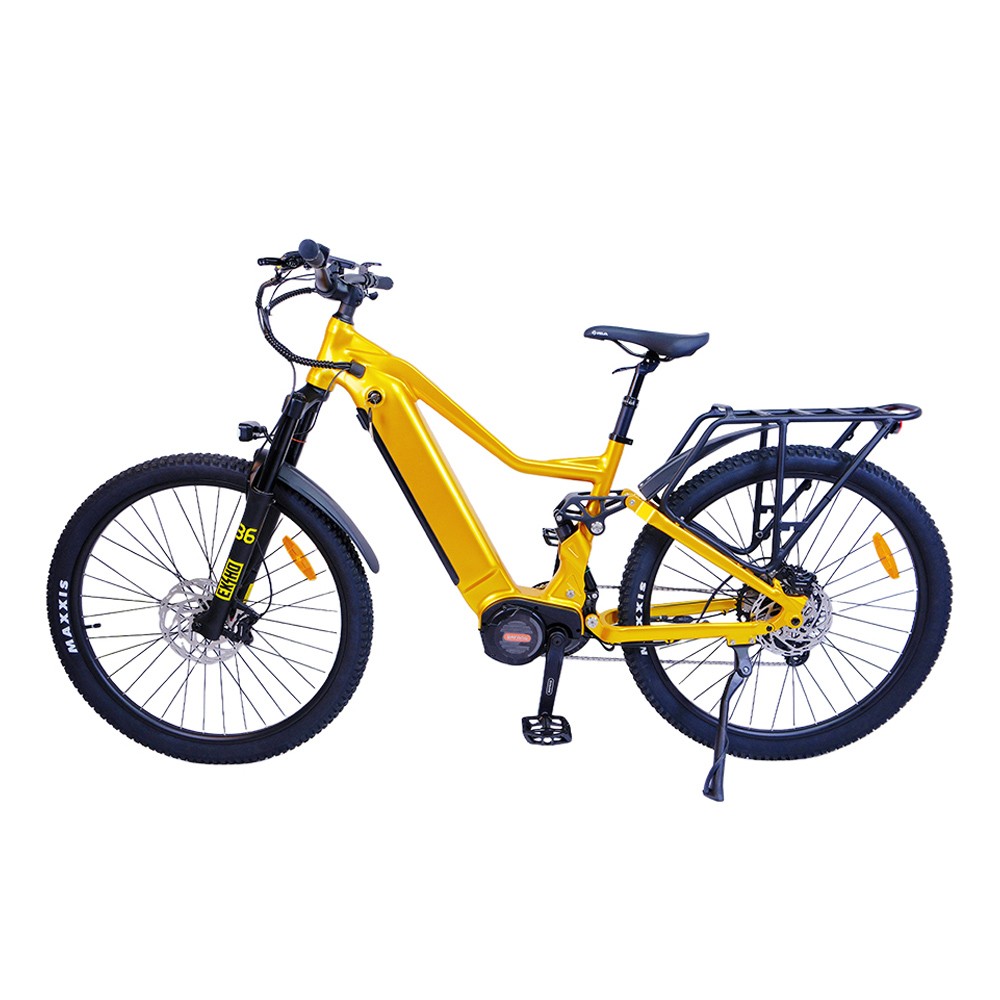
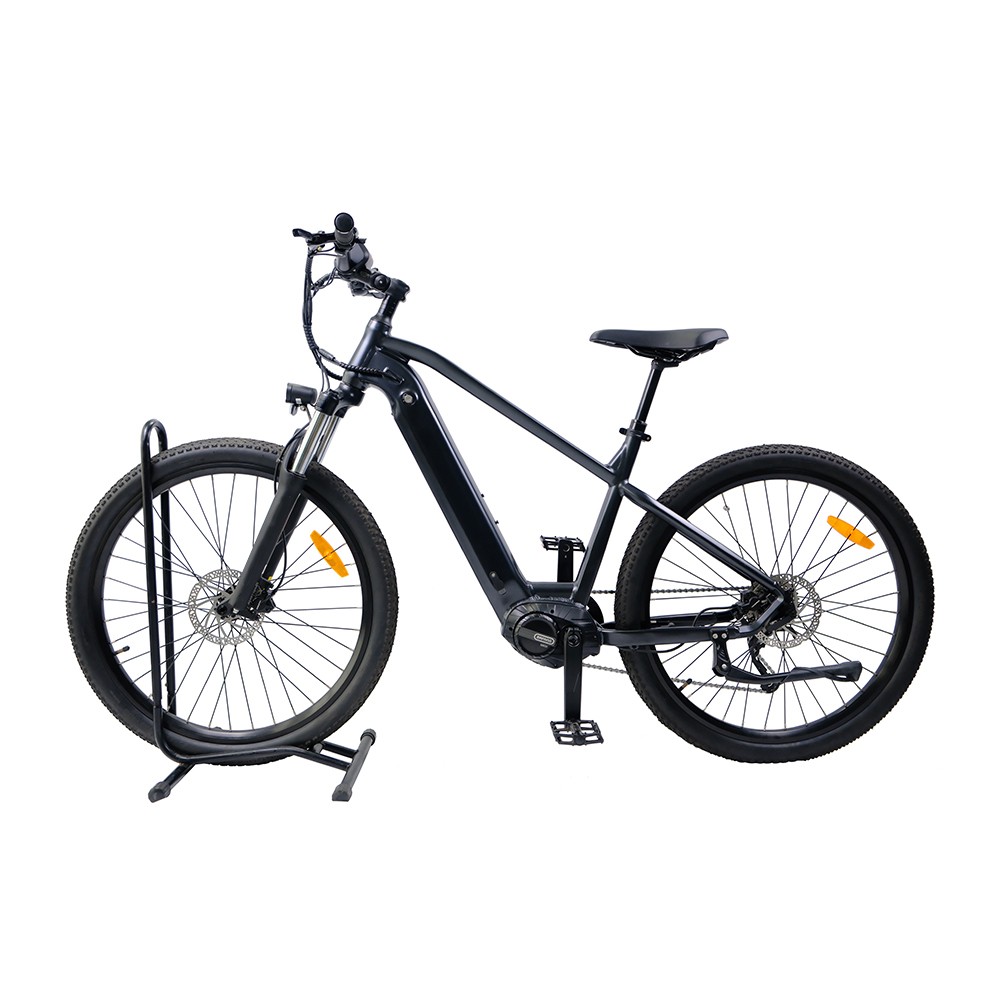
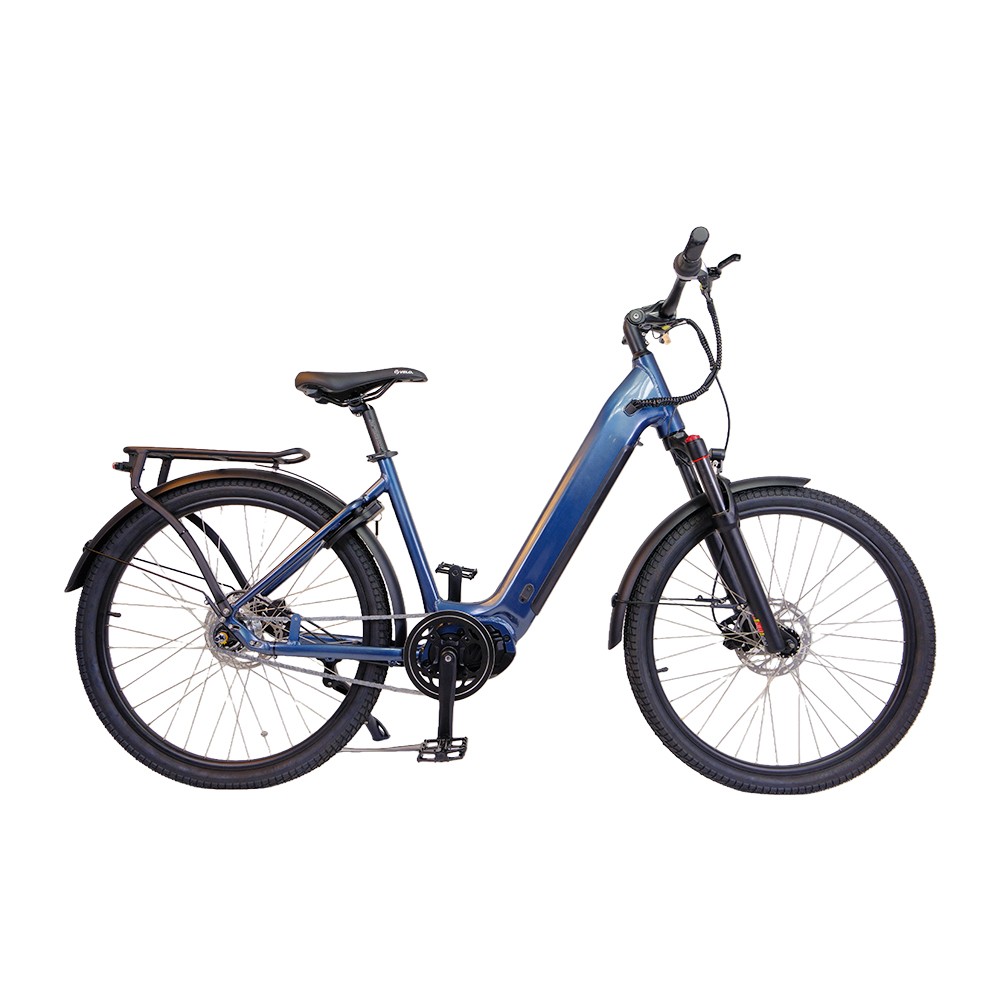
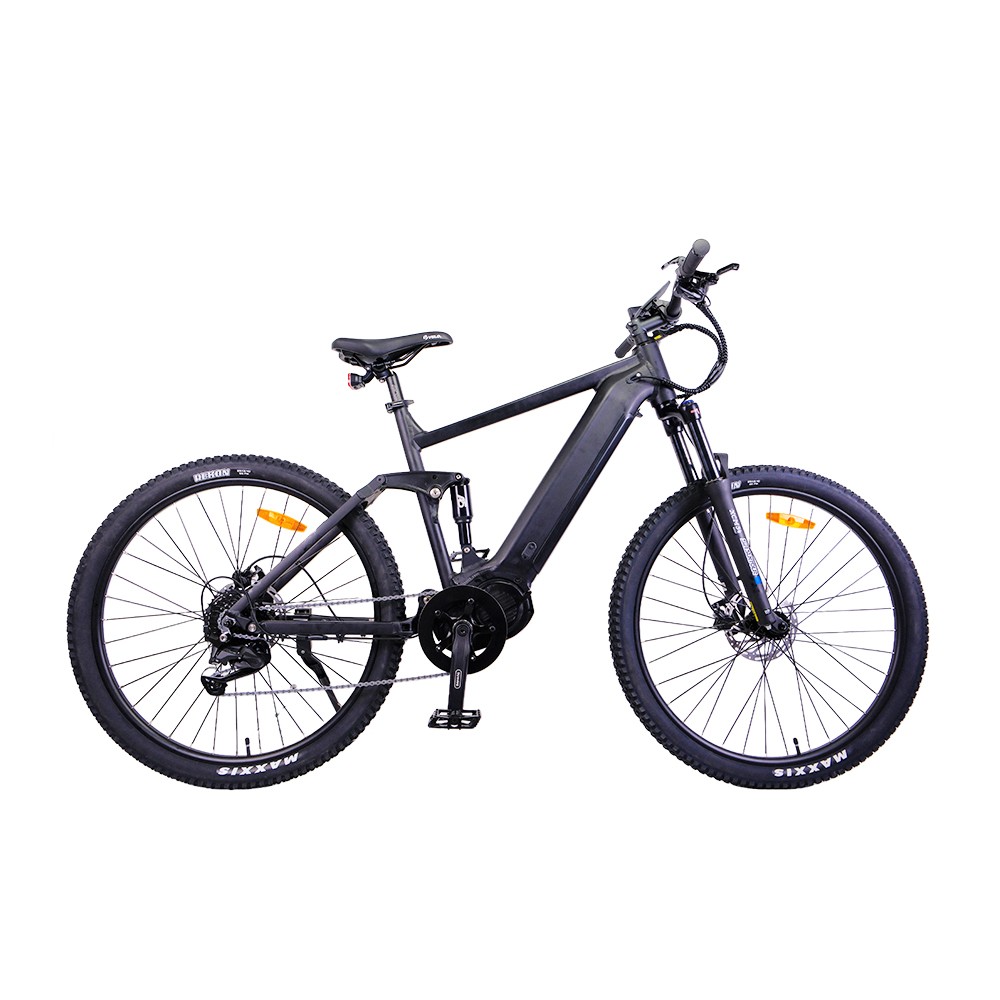
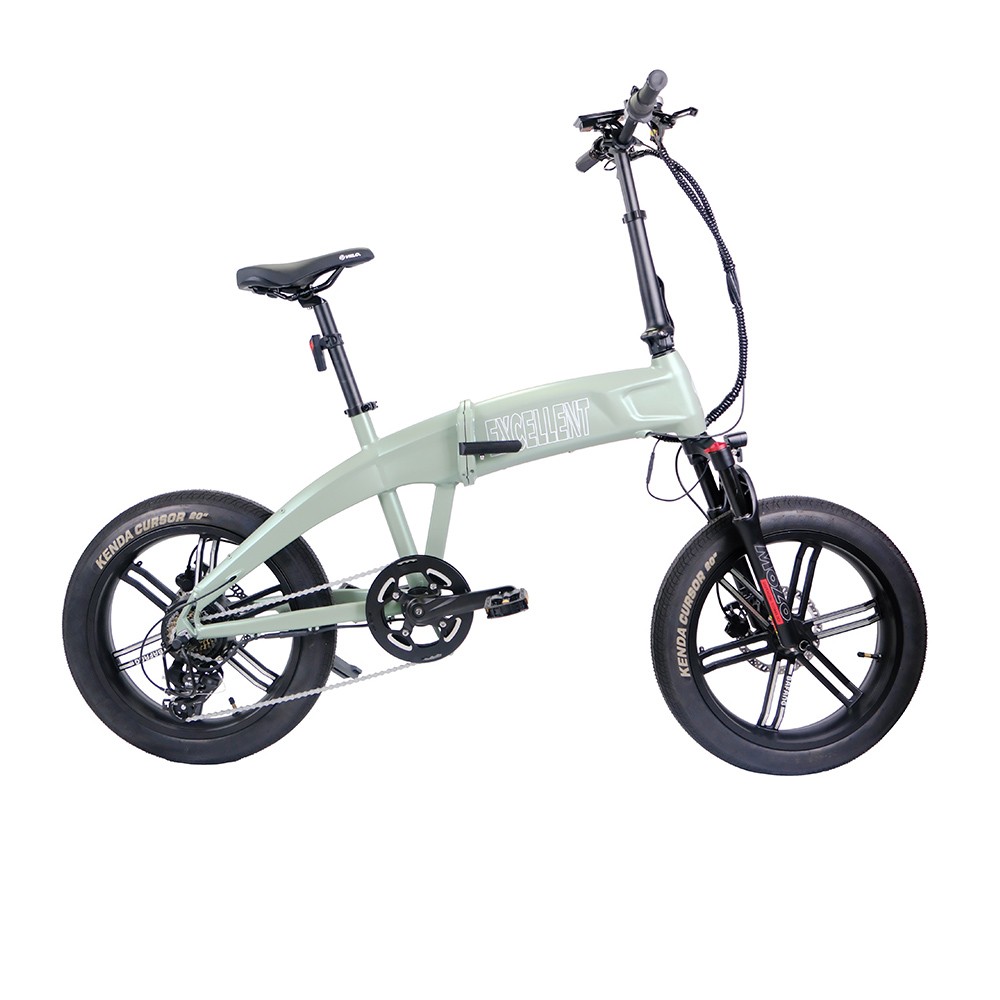
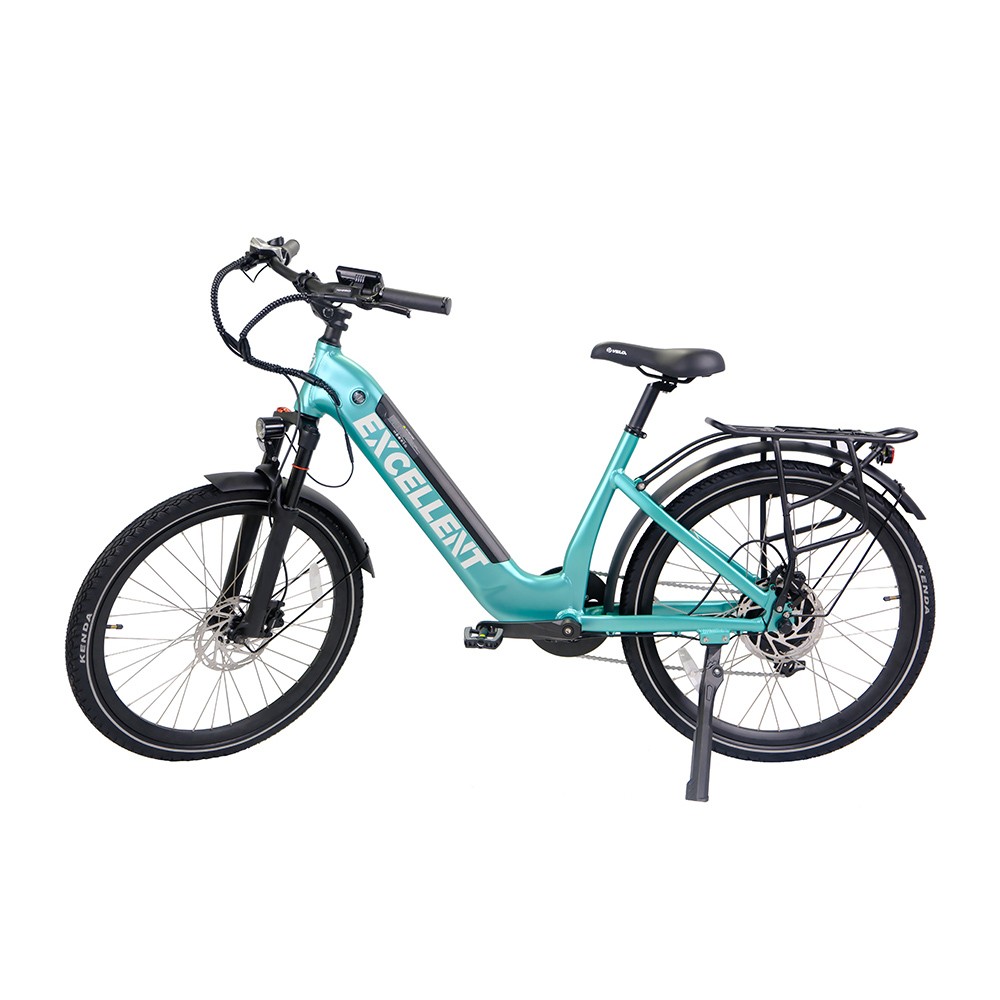
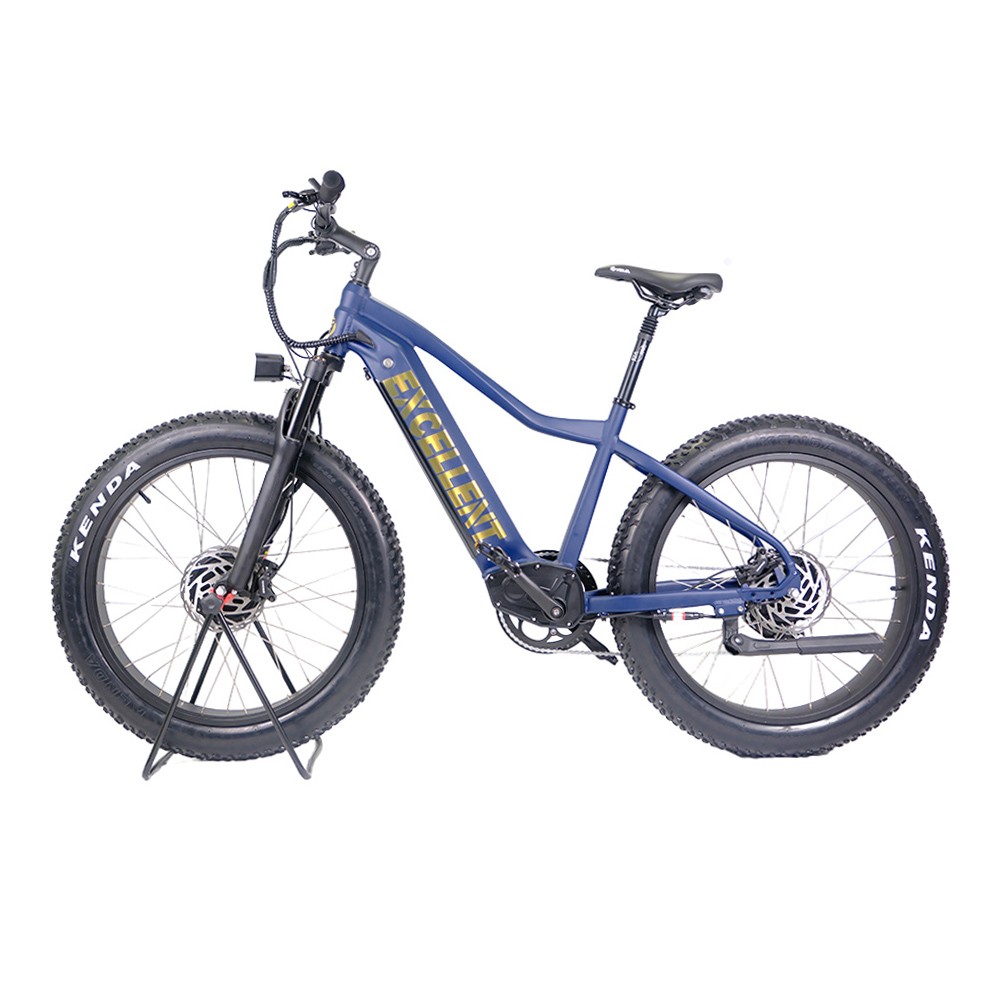
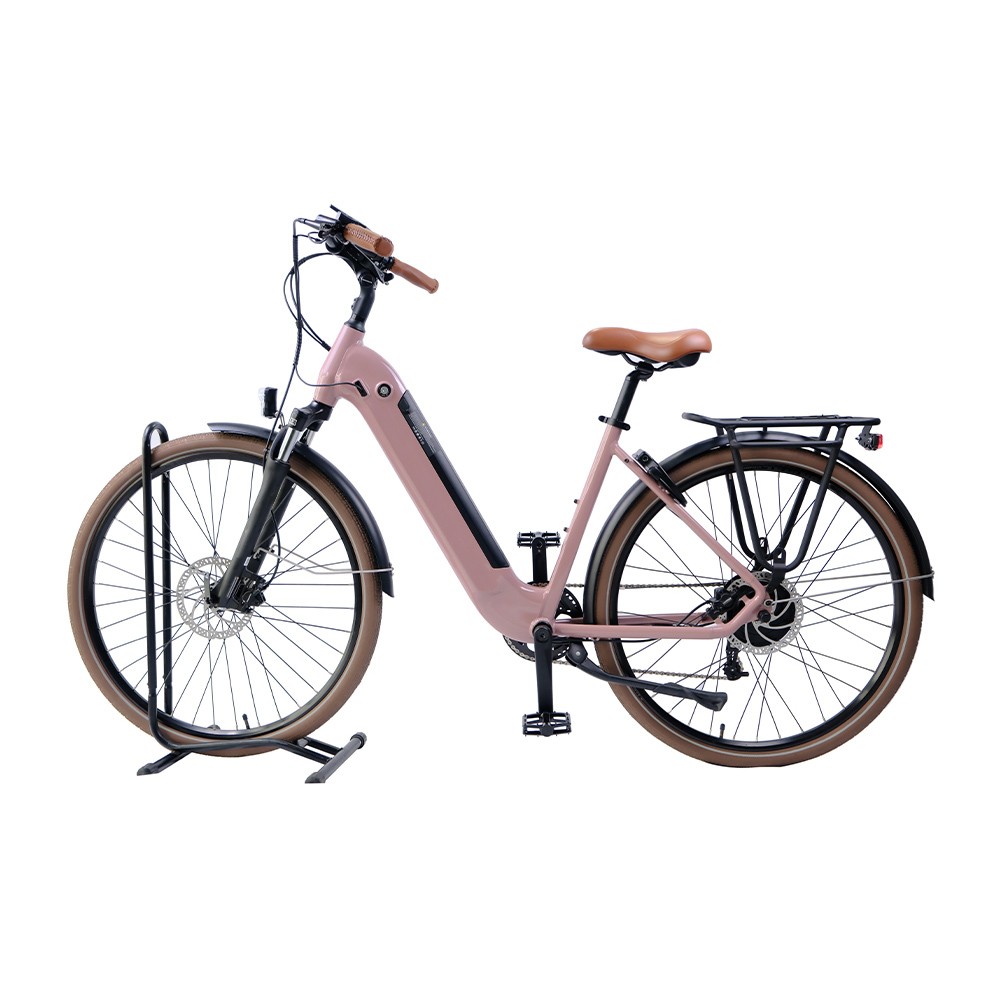
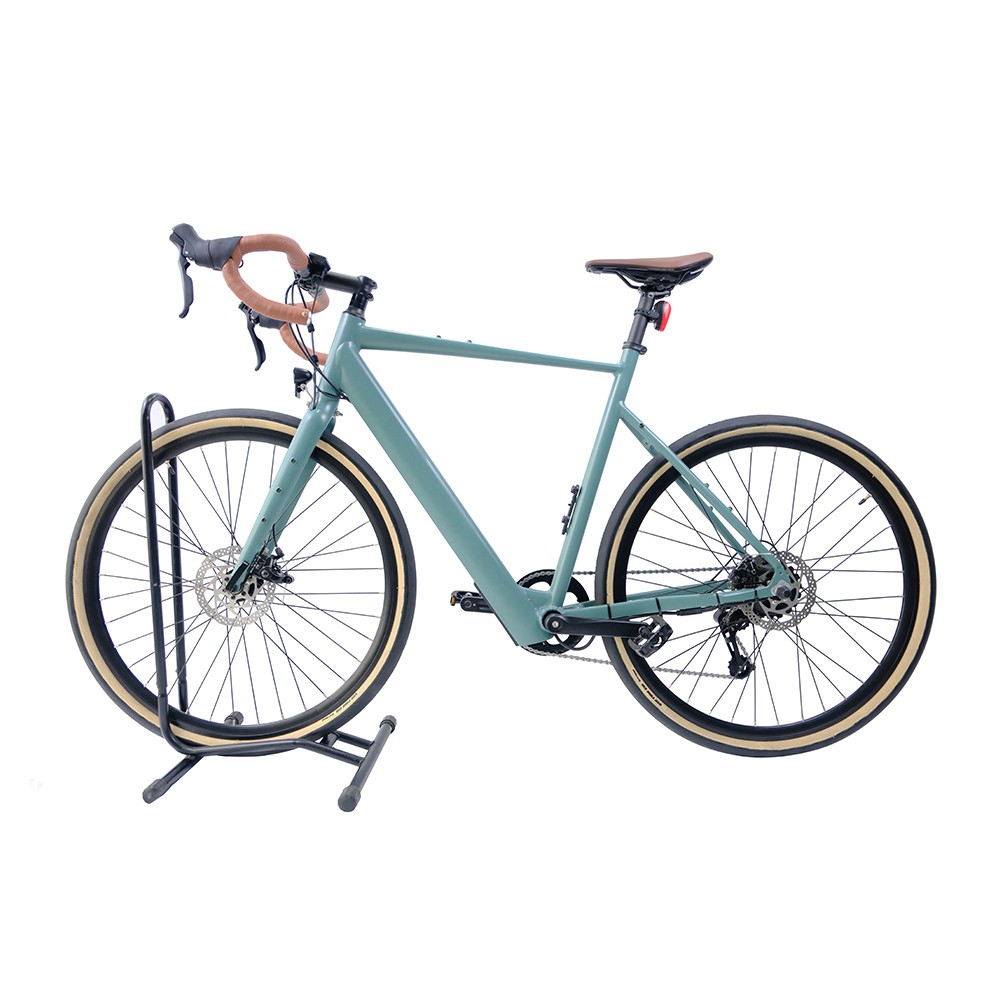
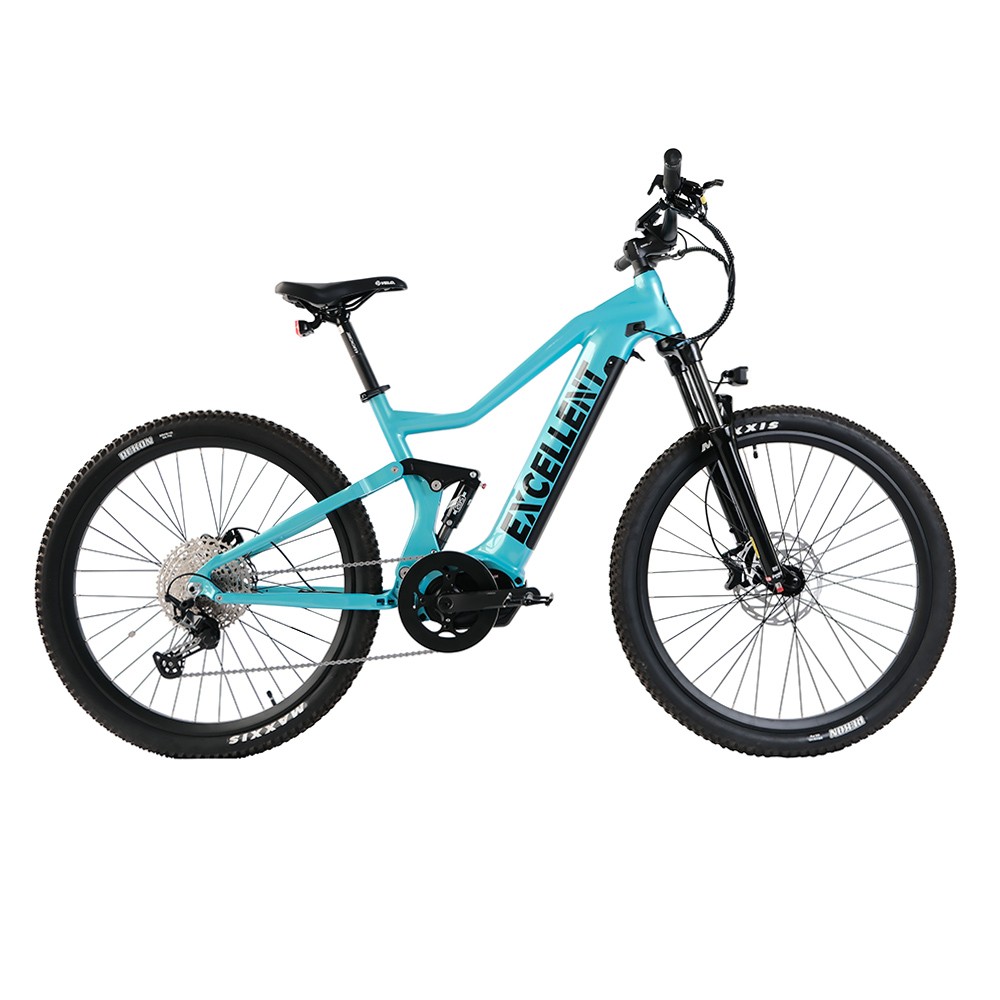
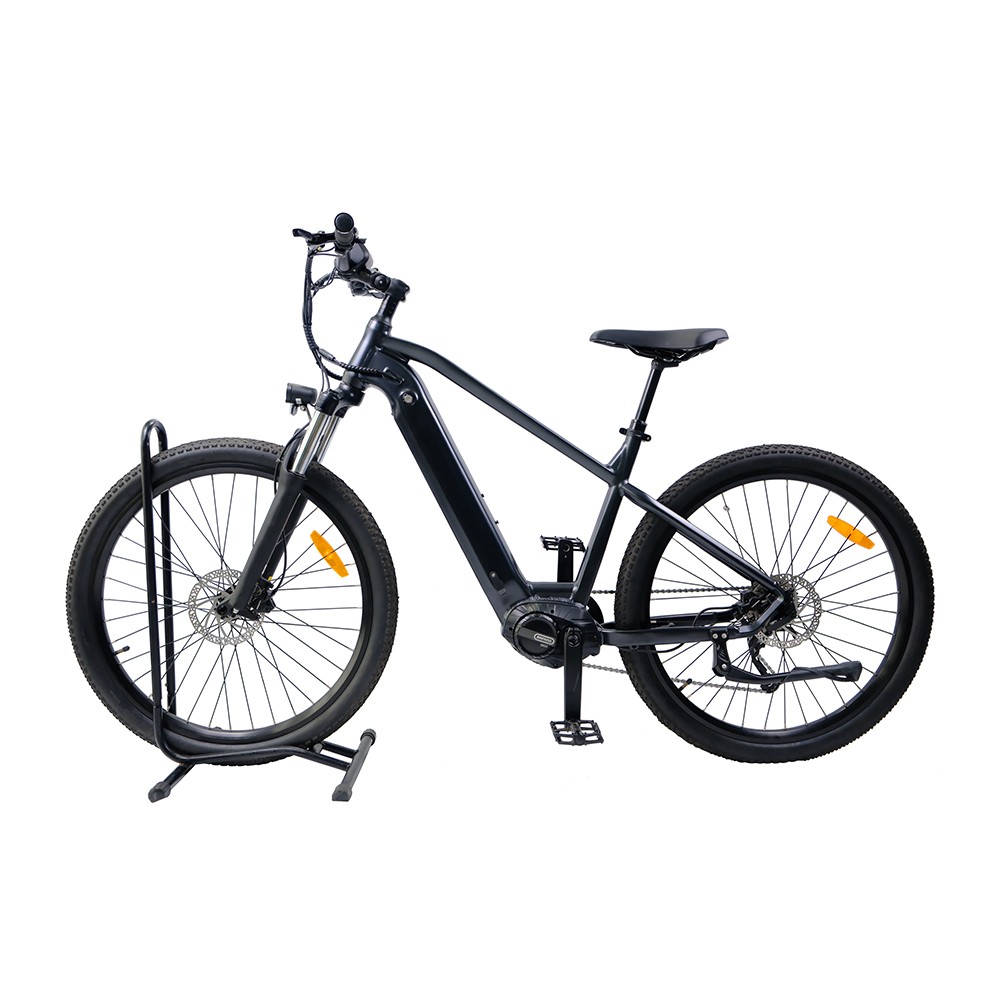
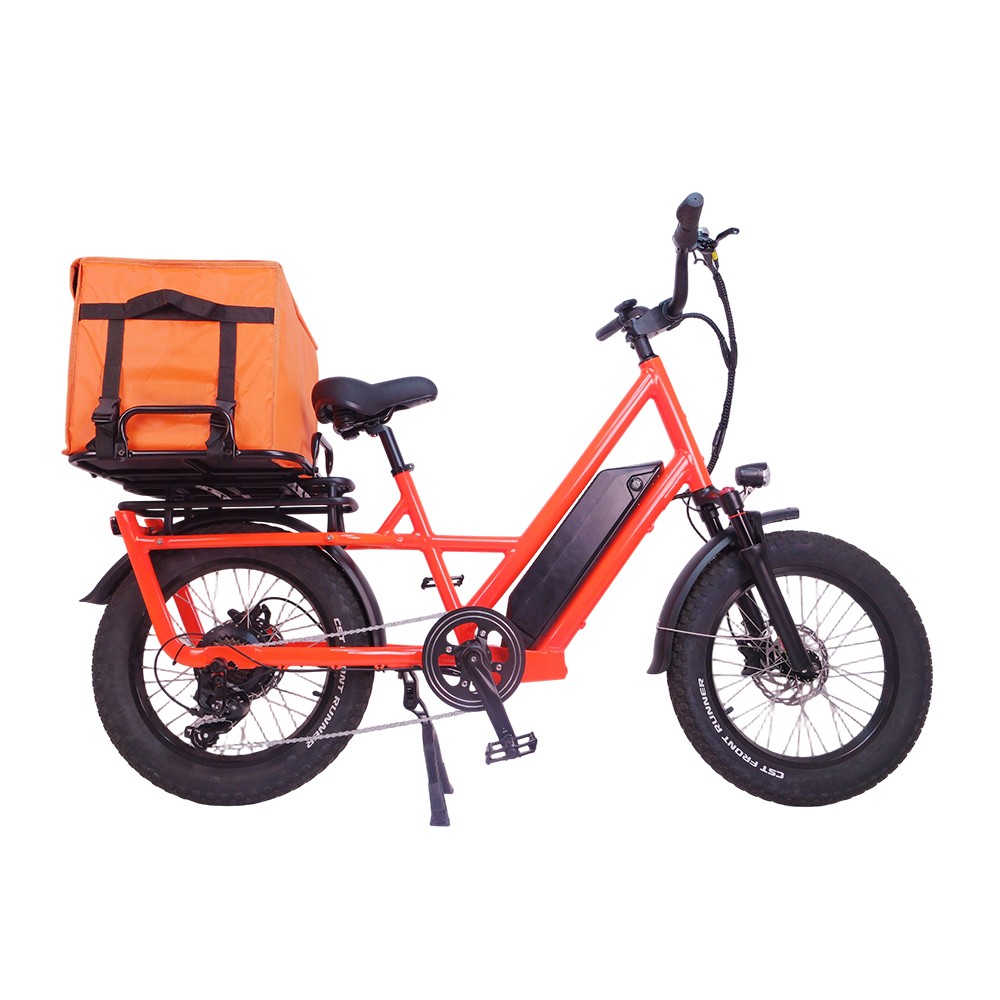
· Limit the fleet to a small range of unified e-bike models. This reduces the variety of spare parts required.
· Bulk purchase common spare parts to get volume discounts from suppliers.
· Avoid custom modified components which are hard to source and expensive to replace.
3. Proper Rider Training & Usage Rules
· Teach renters safe riding behaviour: avoid overloading, aggressive acceleration and sudden hard braking.
· Set clear fleet rules against reckless use, off-road riding and heavy cargo over limits.
· Add damage penalty clauses in rental agreements to discourage misuse.
4. Battery Management (Biggest Cost Item for E-bikes)
· Implement regular battery health checks to track capacity loss.
· Follow correct charging standards; prevent overcharging, extreme hot/cold storage.
· Use battery swapping systems to reduce over-discharging damage.
· Separate faulty batteries early so they do not cause secondary damage to controllers.
5. Real-time Fleet Monitoring with Telematics
· Install tracking devices to monitor speed, vibration, abnormal power consumption.
· Receive early alerts for mechanical or electrical faults before breakdown occurs.
· Track vehicles with unusually high maintenance frequency to detect improper operation.
6. Optimise Repair Workflow
· Establish an in-house basic repair workshop for simple maintenance instead of outsourcing every task.
· Outsource complex technical repairs only to certified service providers with fixed-price contracts.
· Keep a well-organised inventory of frequently used spare parts to cut waiting time and emergency purchasing fees.
7. Timely Fleet Rotation & Asset Retirement
· Continuously assess repair expenditure for each vehicle. If maintenance spending becomes excessive, phase out old units.
· Avoid investing repeatedly in ageing e-bikes that face frequent recurring faults.
· Balance fleet renewal budgets to minimise cumulative long-term maintenance spending.
8. Negotiate Long-term Service Partnerships
· Sign framework agreements with maintenance service centres for preferential labour rates.
· Secure warranty extensions for motors, controllers and batteries from manufacturers.