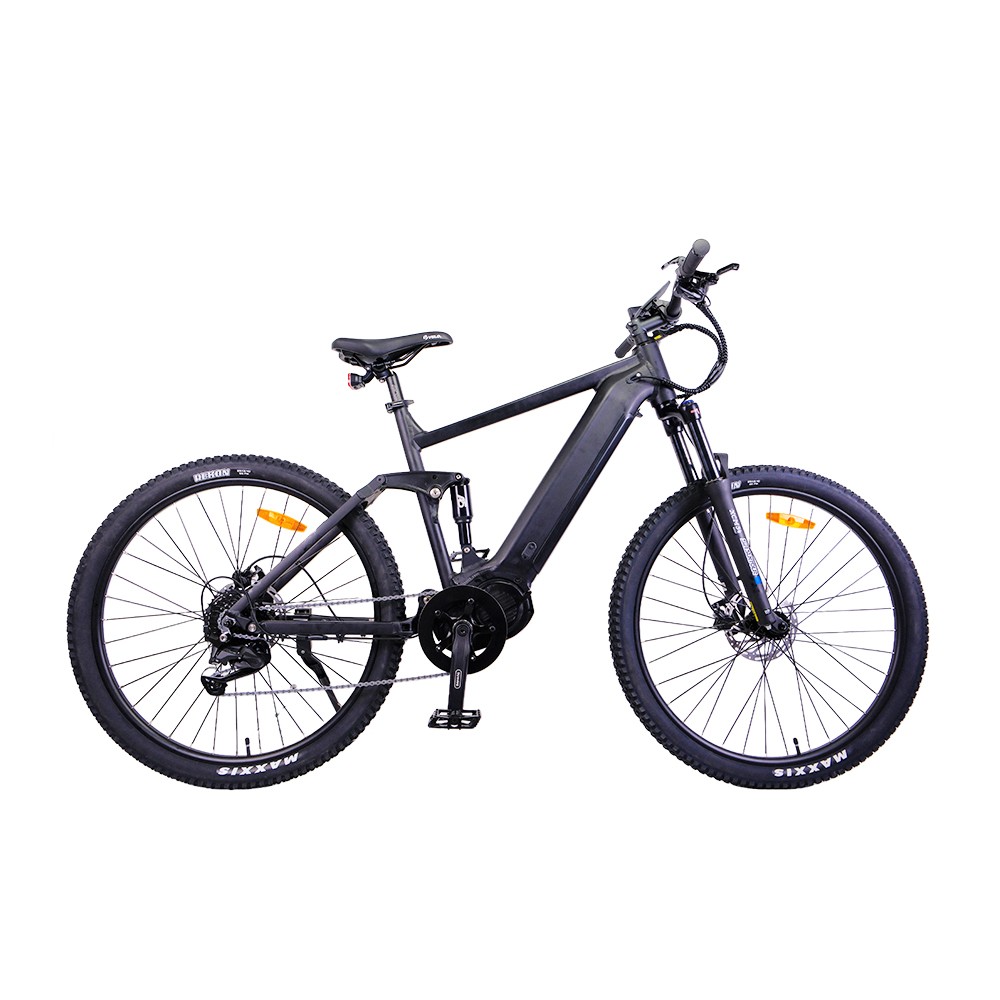
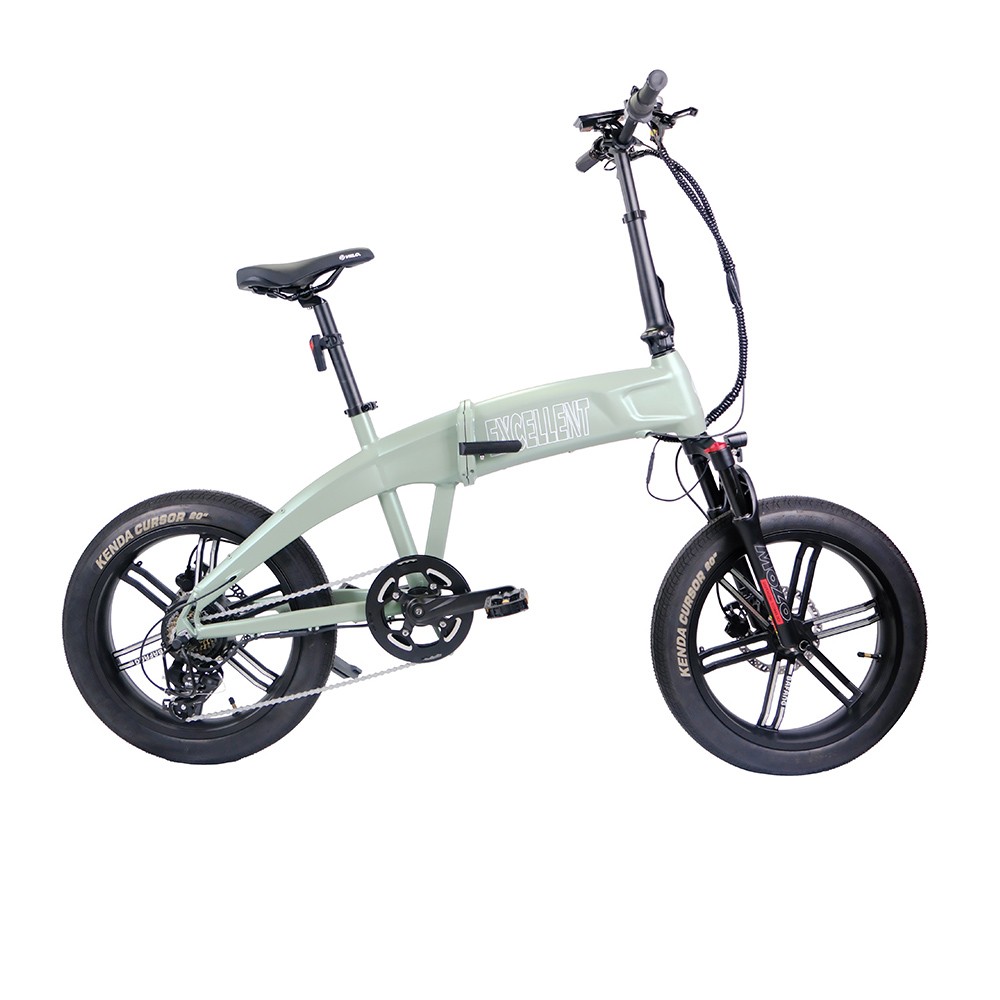
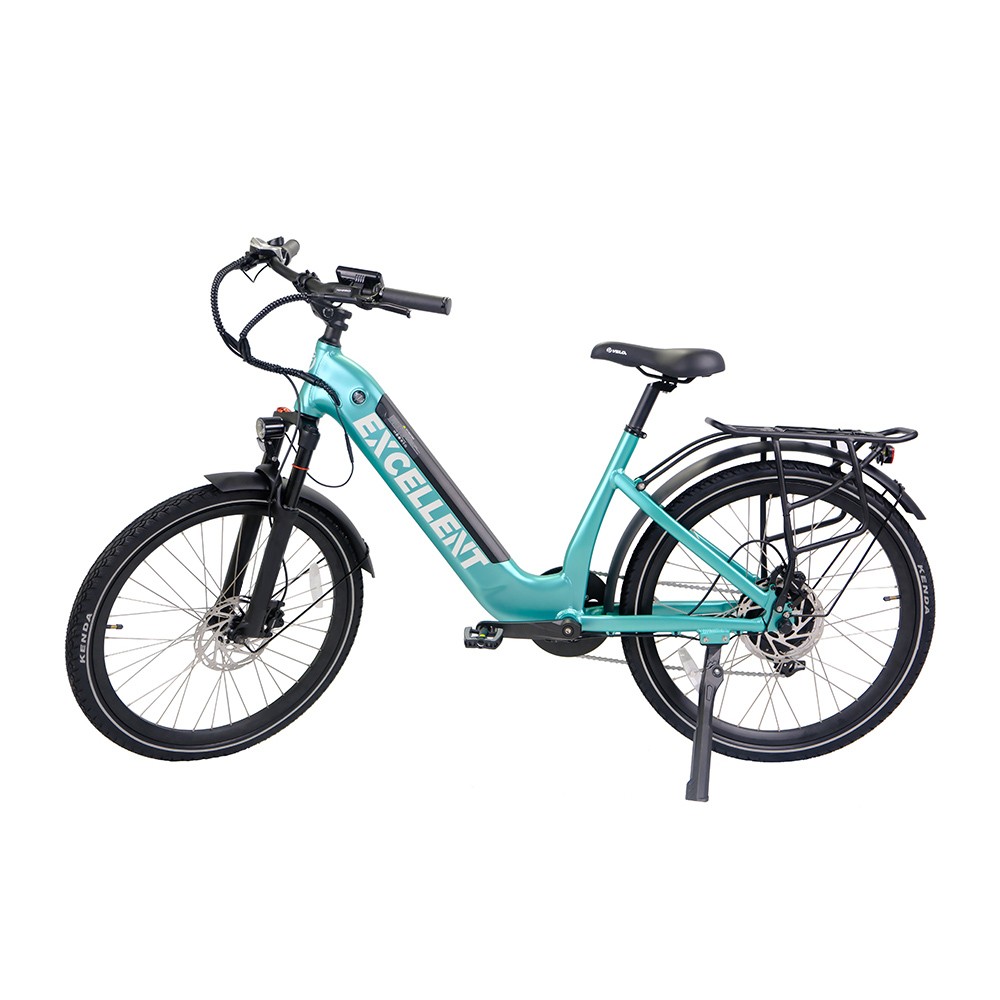
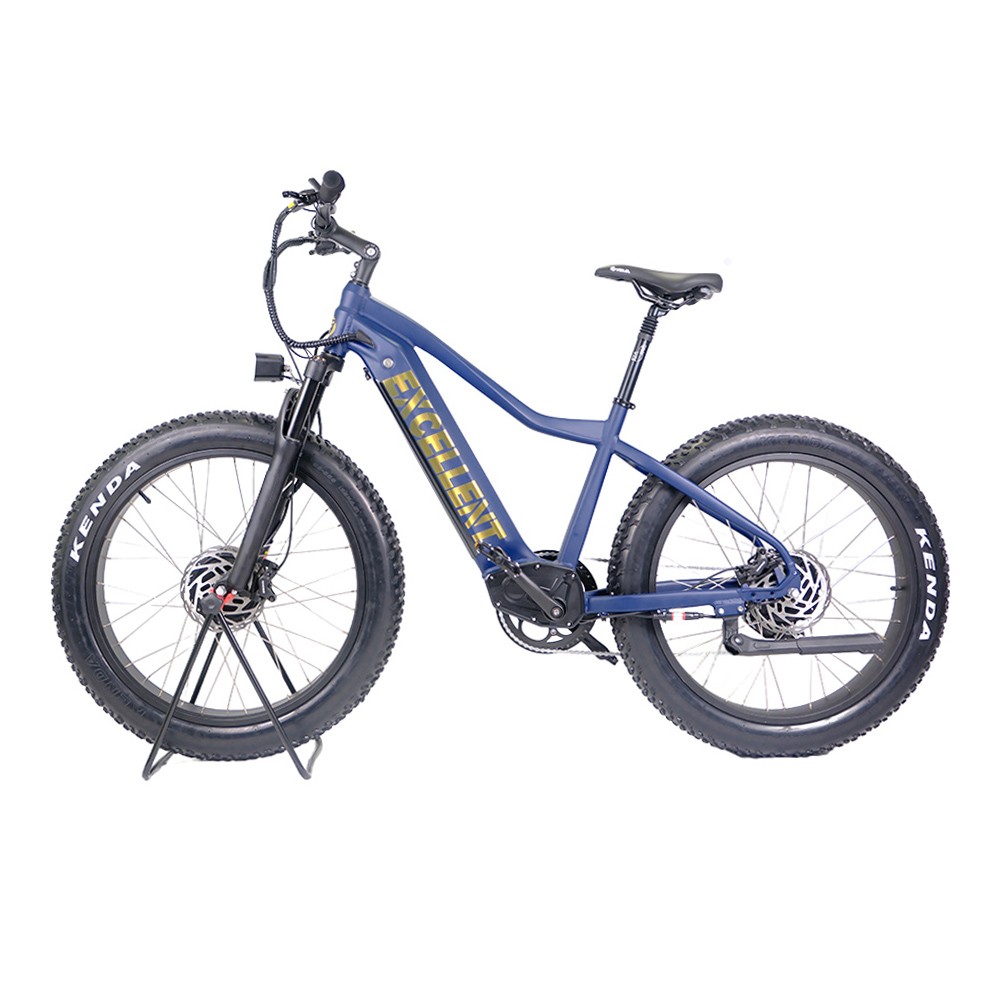
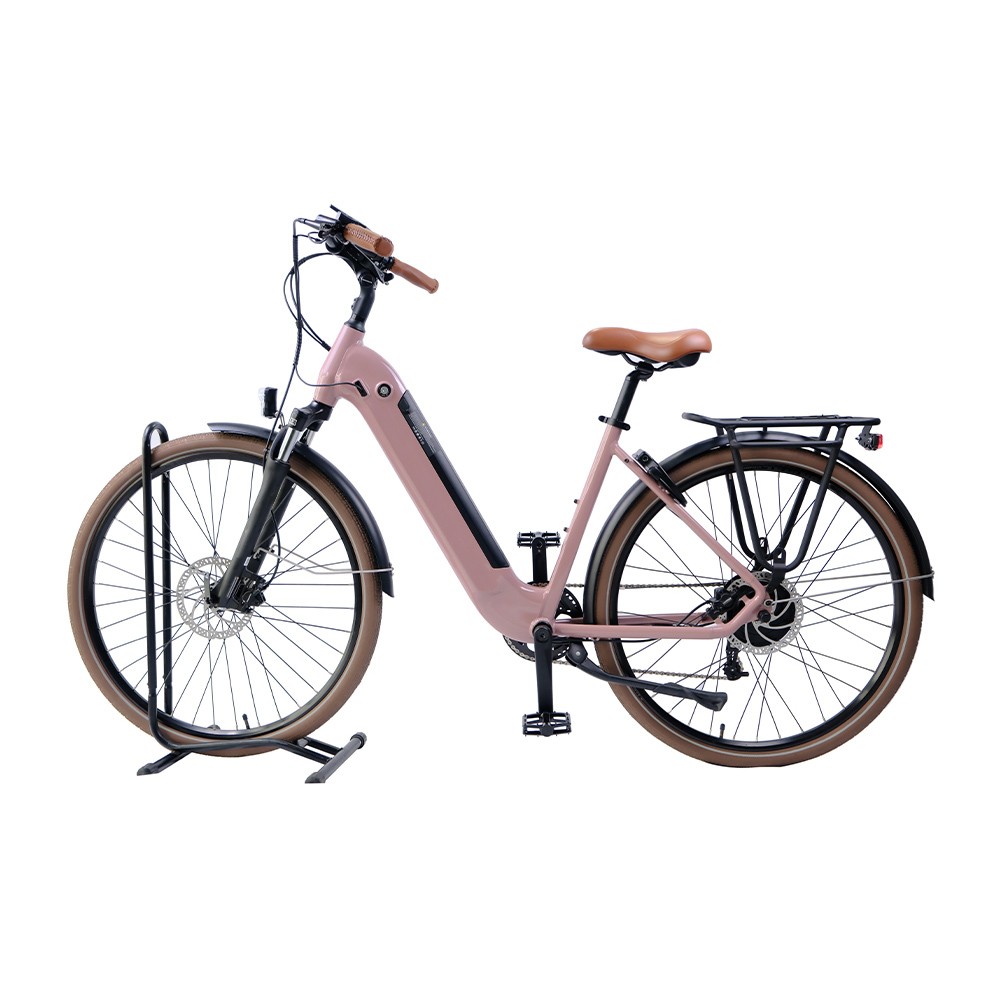
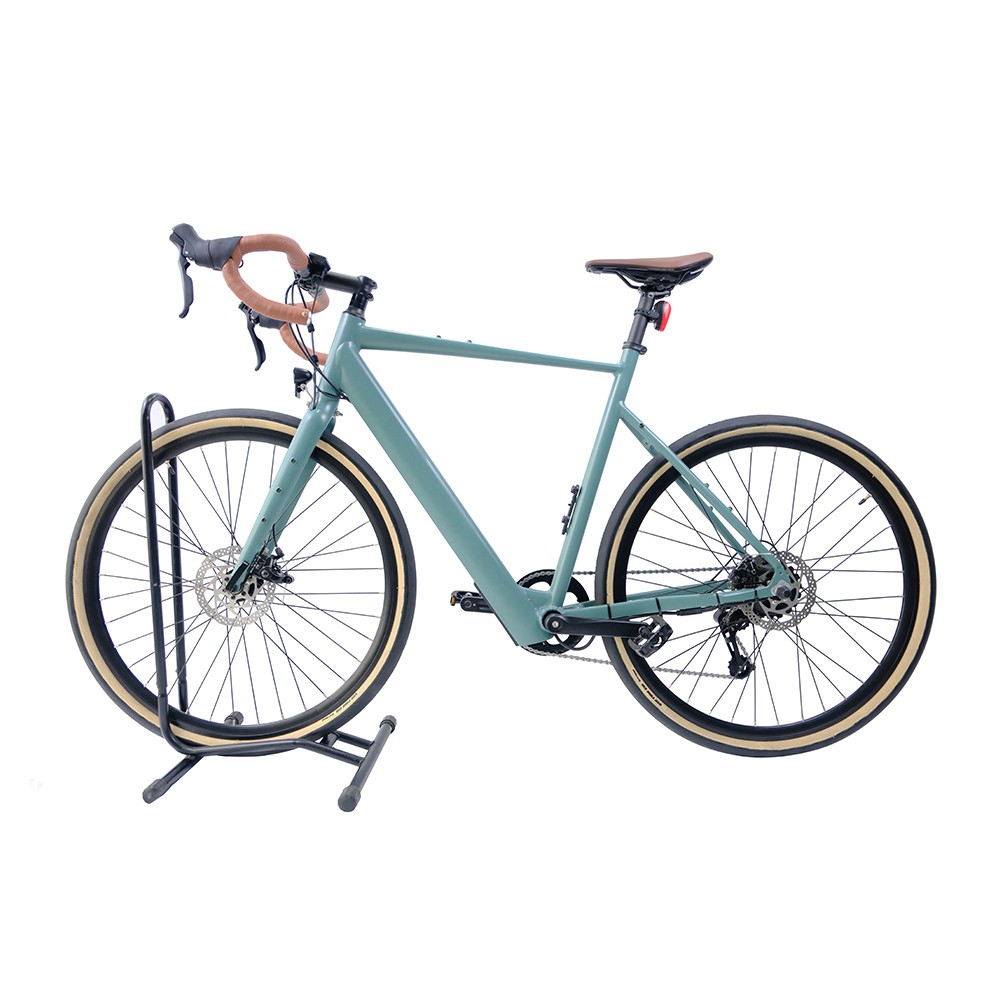
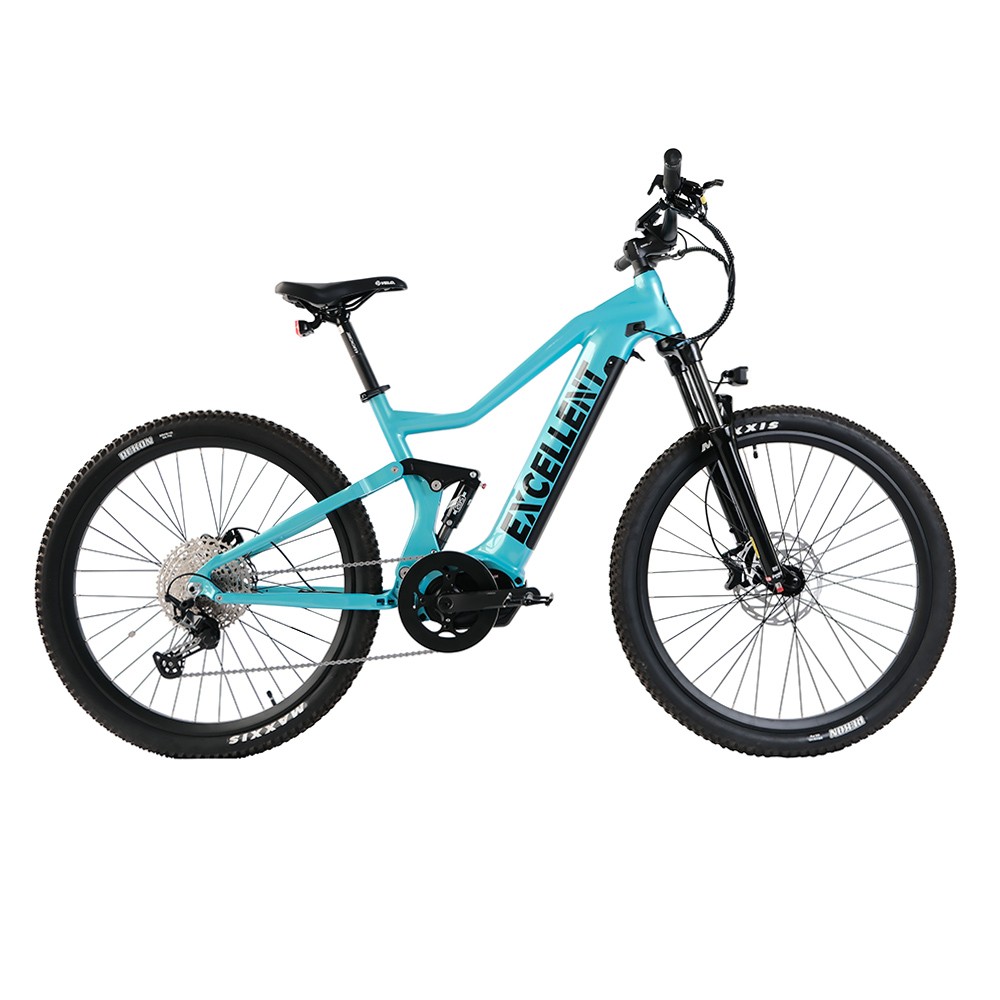
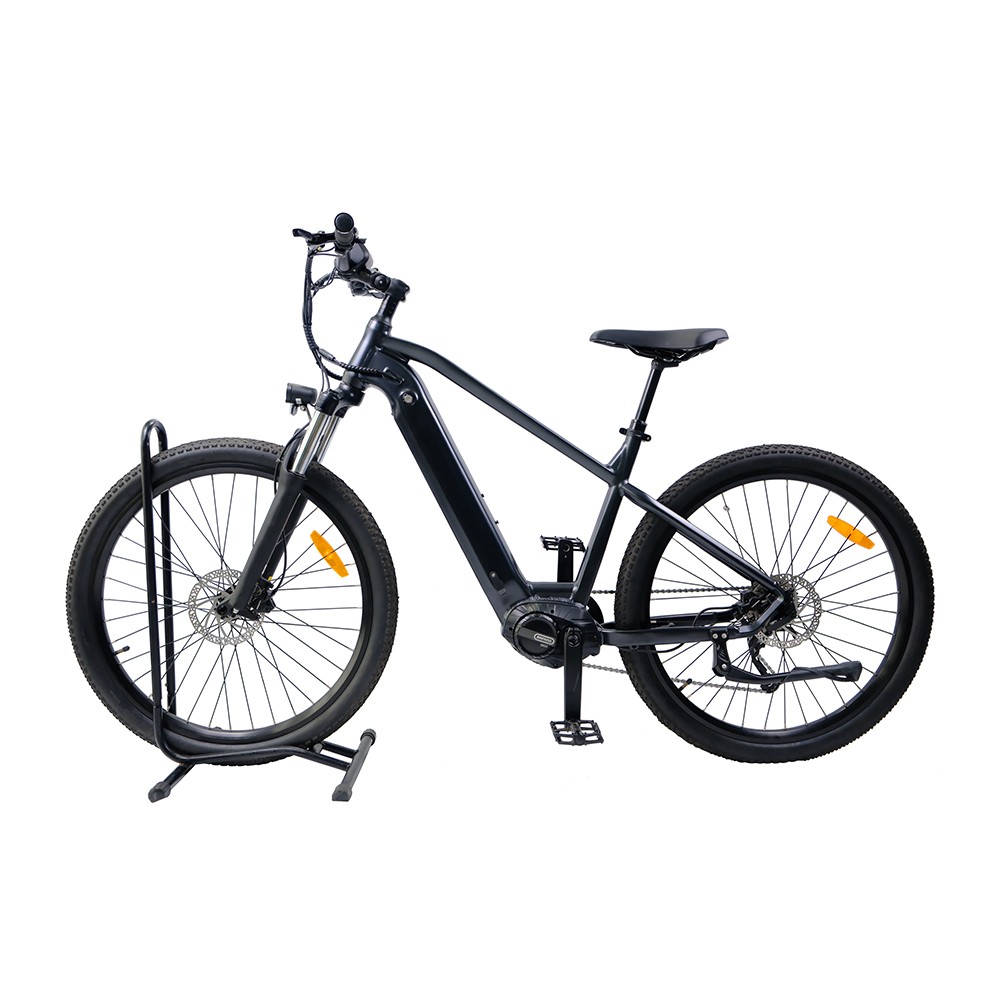
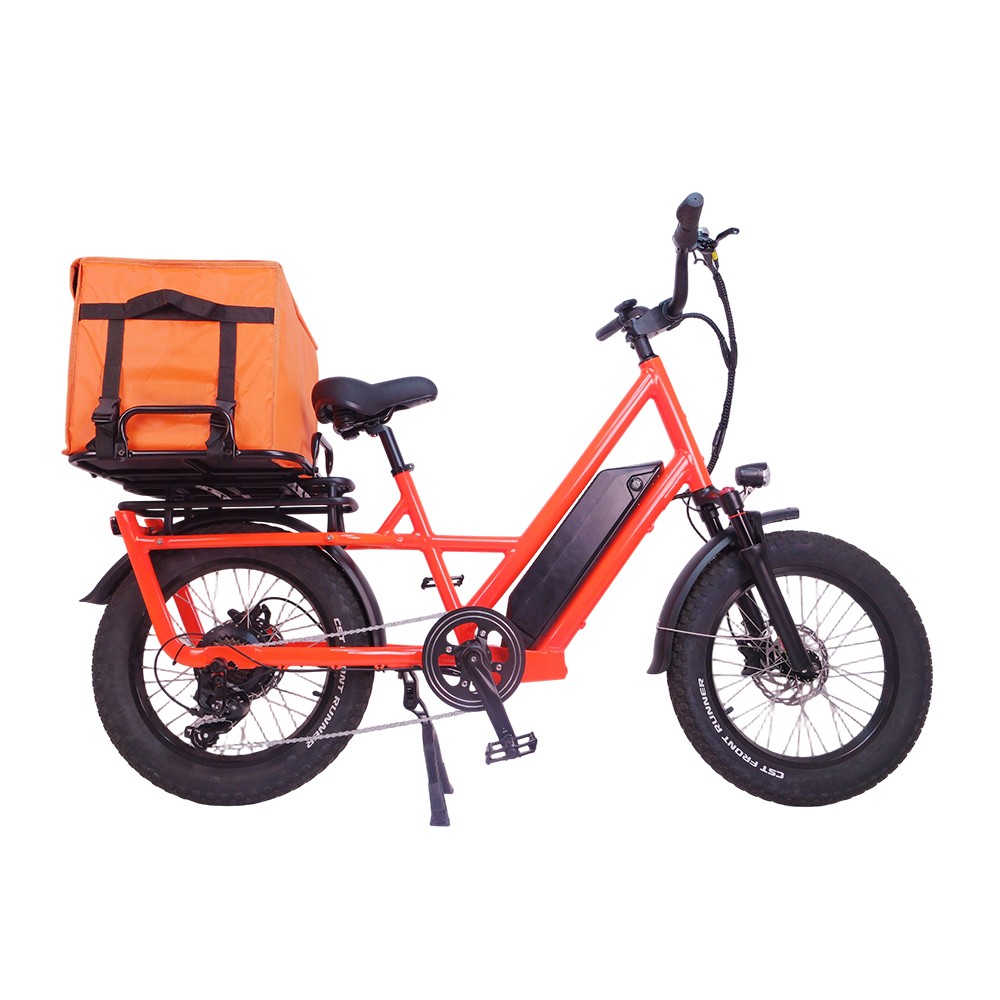
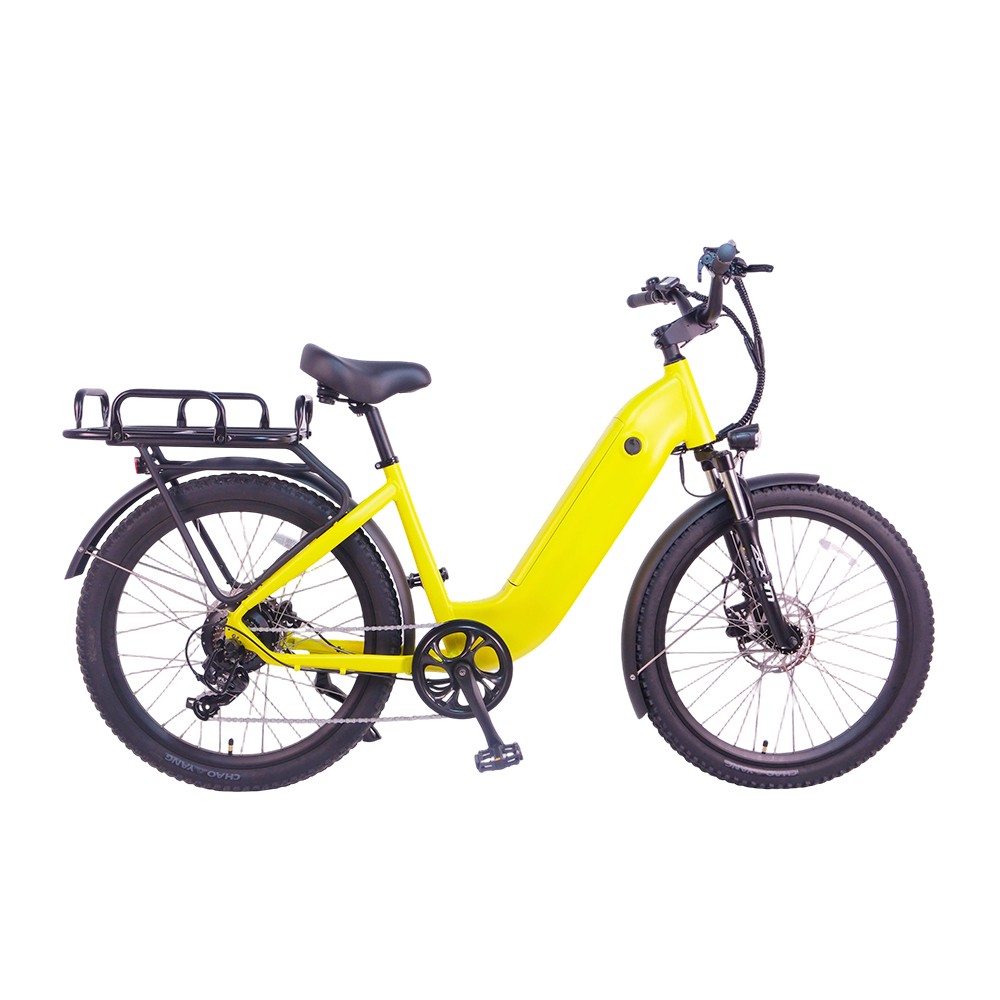
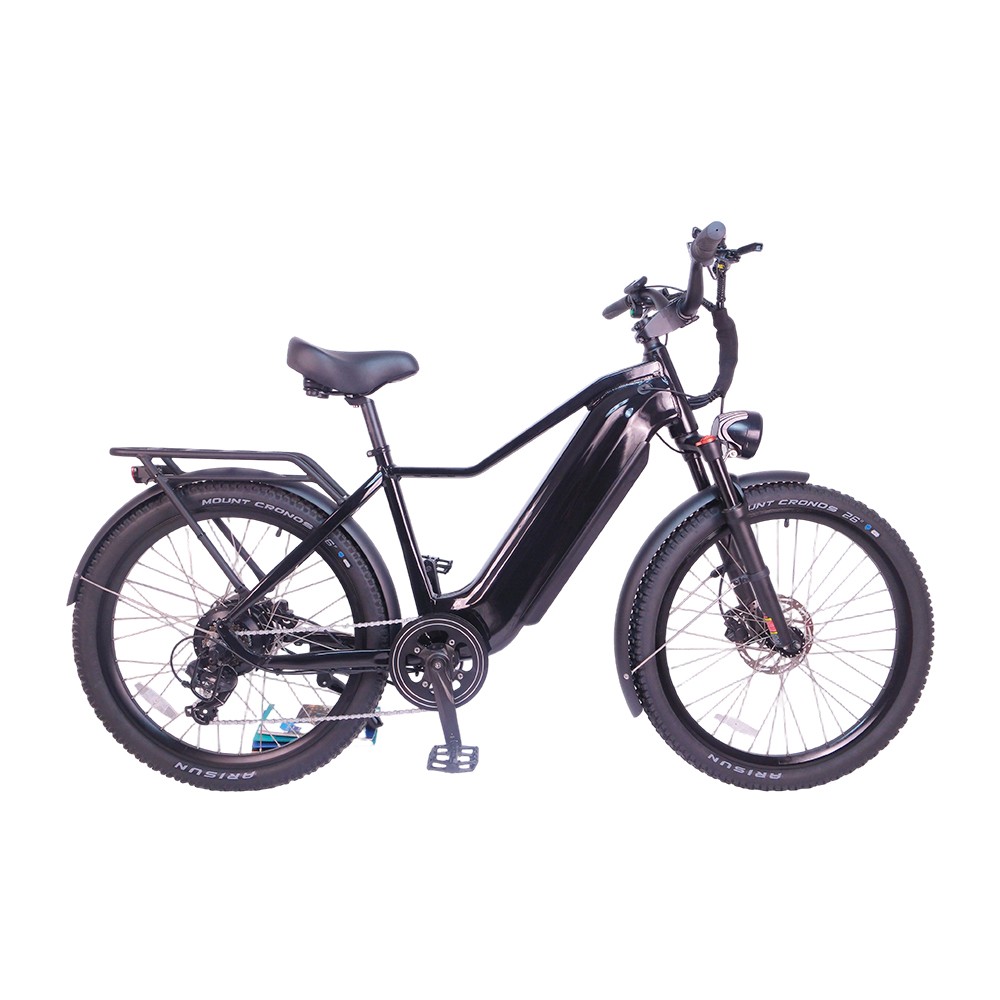
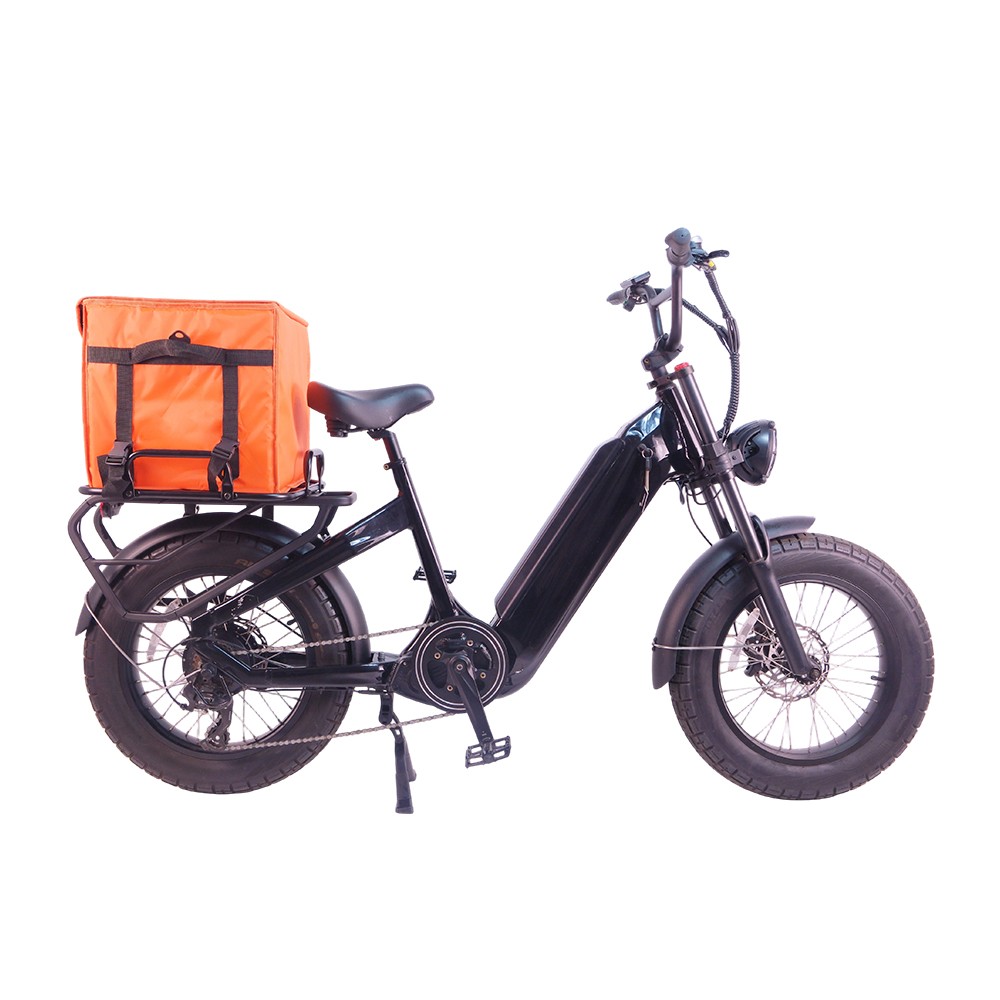
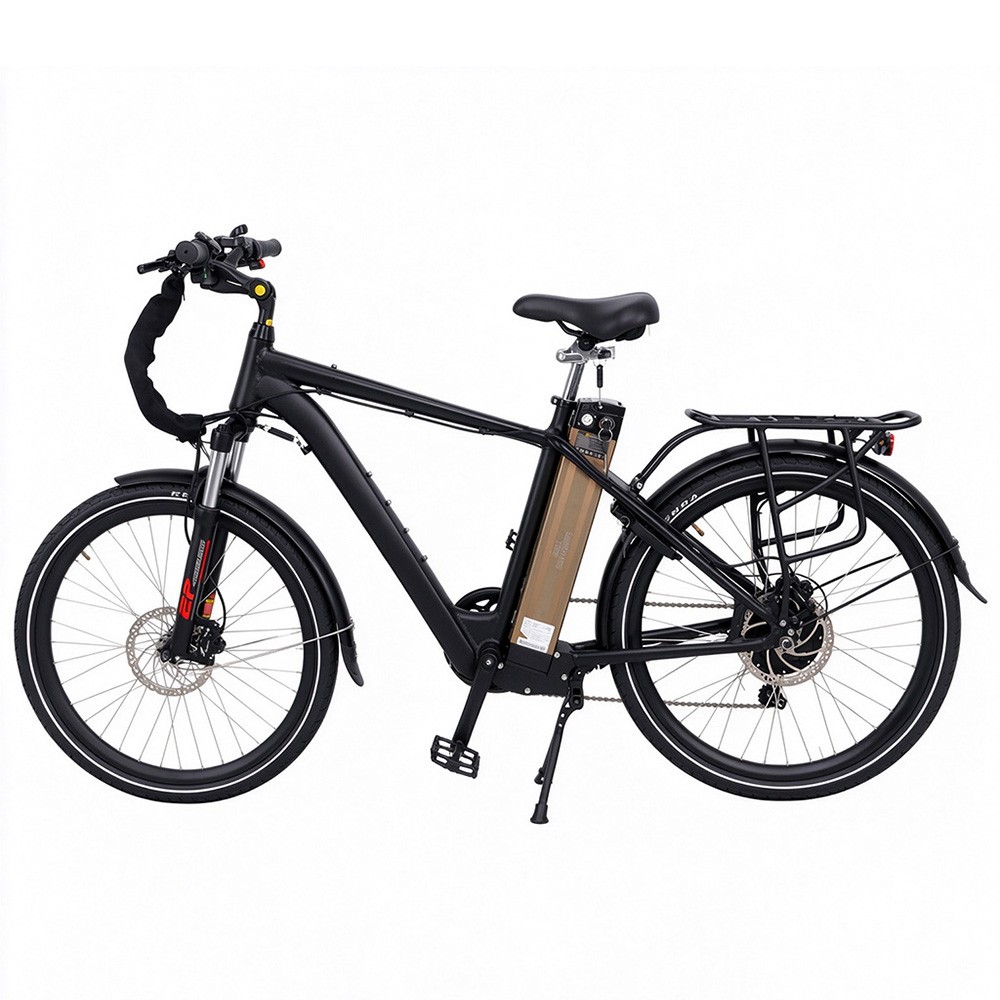
E-bikes boost last-mile performance in dense cities, yet real-world efficiency depends on hardware selection, battery workflow, route planning, fleet management and rider operations.
1. Select purpose-built delivery hardware
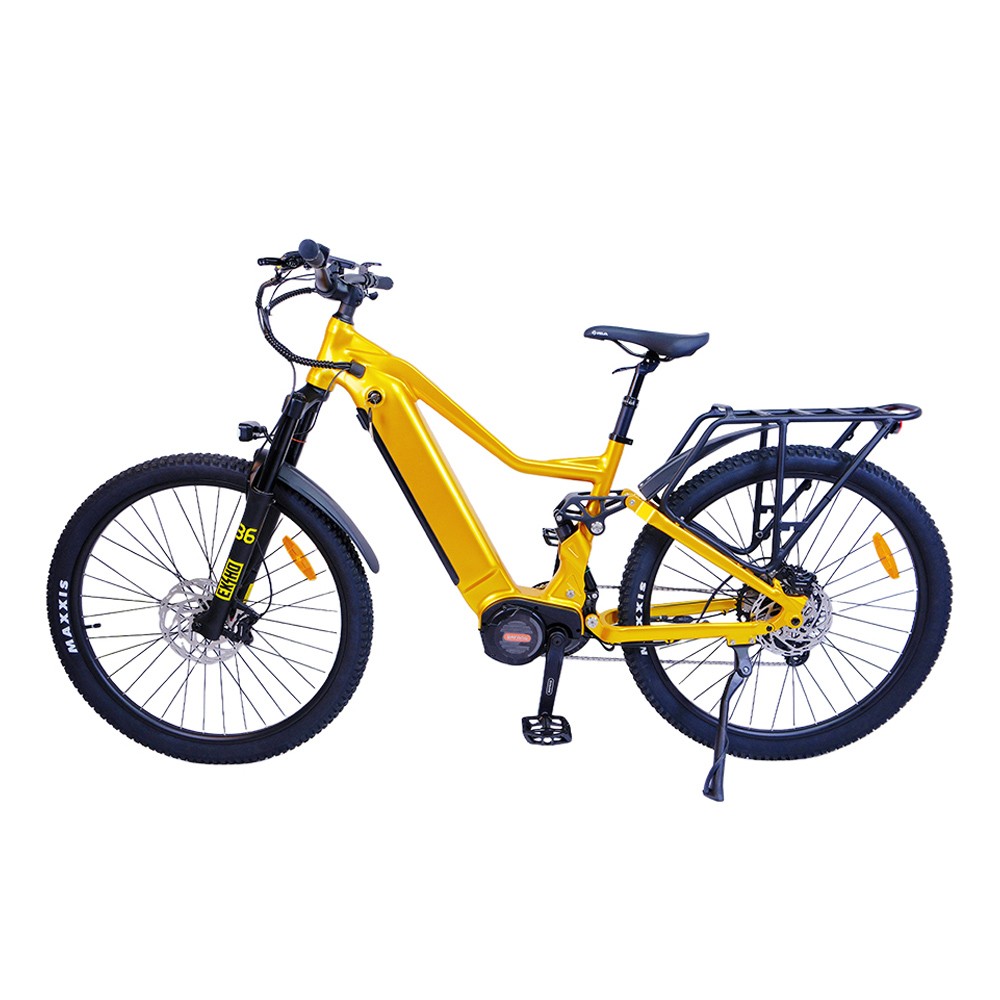
· Choose commercial-grade cargo e-bikes with sufficient payload, hydraulic disc brakes and weather-sealed electrical components for frequent stops and heavy loads.
· Prioritiseremovable / swappable batteries: eliminate charging downtime; riders swap depleted packs for fully-charged ones instead of waiting onboard charging.
· Fit practical accessories: sturdy racks, insulated delivery boxes, stable phone mounts, bright lighting. Well-organised cargo cuts time spent sorting orders at each stop.
2. Optimise battery management
· Begin each shift at 100 % charge; reserve battery power for hills and heavy payloads by using lower assist levels on flat roads.
· Deploy battery-swap micro-hubs across service zones for quick energy top-ups during peak hours.
· Track battery state-of-health via telematics; retire degraded packs early to avoid mid-shift breakdowns.
3. Route & zone optimisation
· Divide service territory into compact delivery zones (3-5 km radius). Concentrate riders within one zone reduces long-distance repositioning and back-tracking.
· Leverage bike lanes, short-cuts and pedestrian-only access closed to motor vehicles to bypass traffic congestion and parking delays.
· Use route-planning software for multi-drop grouping; re-assign orders in real-time according to rider location and order windows.
· Position riders close to merchant clusters before peak lunch / dinner hours to shorten pickup times.
4. Fleet telematics and API integration
· Install GPS telematics on each e-bike: monitor real-time location, battery status, speed and vehicle faults.
· Connect fleet systems with delivery management platforms via API: auto-assign orders, generate performance reports, reduce manual dispatching work.
· Reduce lost vehicles and theft risks with geofencing alerts.
5. Reduce downtime with preventive maintenance
· Set fixed inspection cycles: daily pre-shift checks (tyre pressure, brakes, battery), weekly lubrication, monthly full servicing.
· Use modular spare-part stock to enable fast on-site repairs; minimise vehicles sitting idle in repair workshops.
· Train riders for basic fault checks so small issues are caught early.
6. Rider workflow & shift arrangement
· Schedule shifts aligned with demand peaks; match rider numbers to order volume to avoid over-staffing or capacity shortages.
· Train riders for zone knowledge, battery-swap procedures and safe high-volume delivery workflows.
· Provide weather-proof gear: rain delays and rider fatigue directly lower delivery throughput.
7. Deploy micro-hubs
· Place small urban micro-depots in high-density districts for pre-sorting parcels, storing spare batteries and quick rider hand-offs.
· Cut long van trips into city centres; e-bikes take over final short-distance legs.
Key performance metrics to track
· Average time per delivery
· Number of drops per vehicle / per rider per shift
· Vehicle uptime rate
· Cost per successful drop
On-time delivery rate & customer feedback scores