1. Strong Growth Driven by Last-mile Delivery Demand
The commercial e-bike market expands rapidly, fuelled by booming food delivery, grocery quick-commerce and urban parcel logistics. Rising traffic congestion, tighter low-emission zone regulations and higher fuel costs push fleet operators to replace petrol motorcycles and vans. Asia-Pacific remains the largest market, while Europe and North America see accelerating adoption in dense city centres. Operators prioritise total cost of ownership (TCO) over upfront vehicle price.
2. Shift Toward Purpose-built Delivery E-bikes
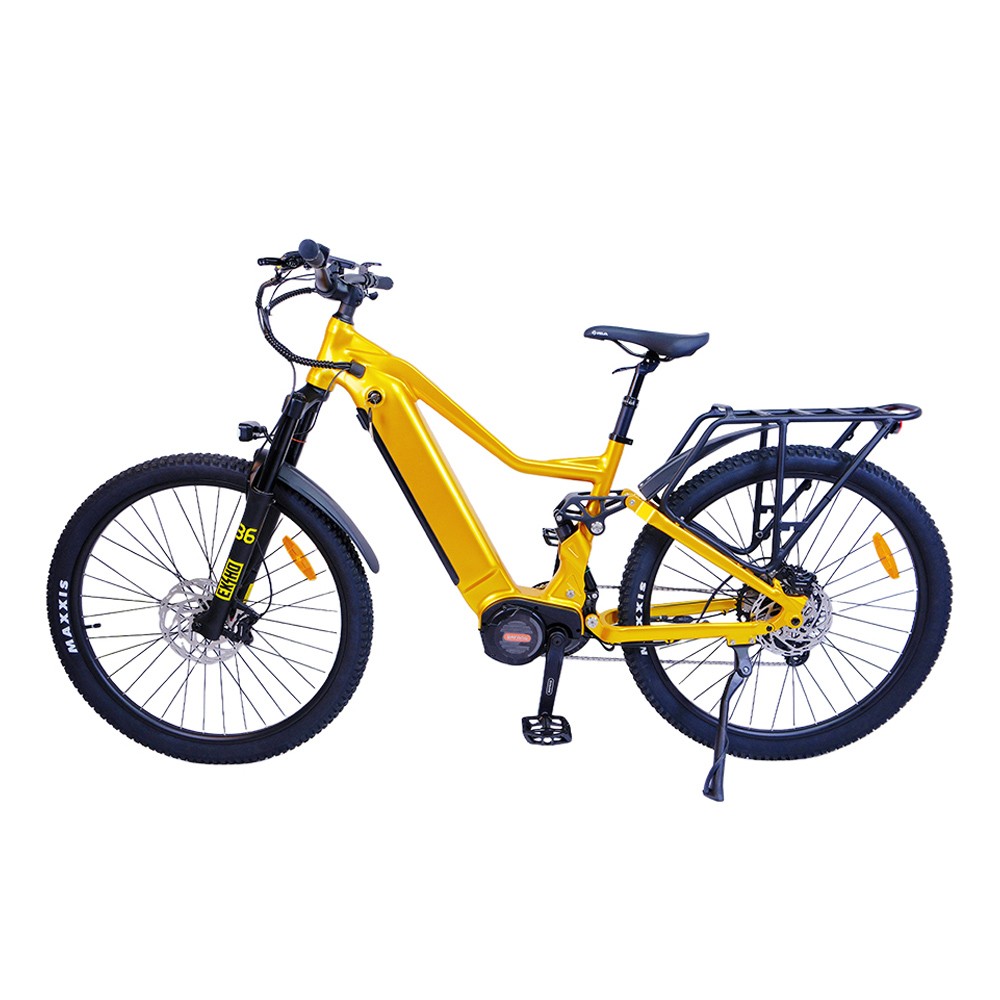
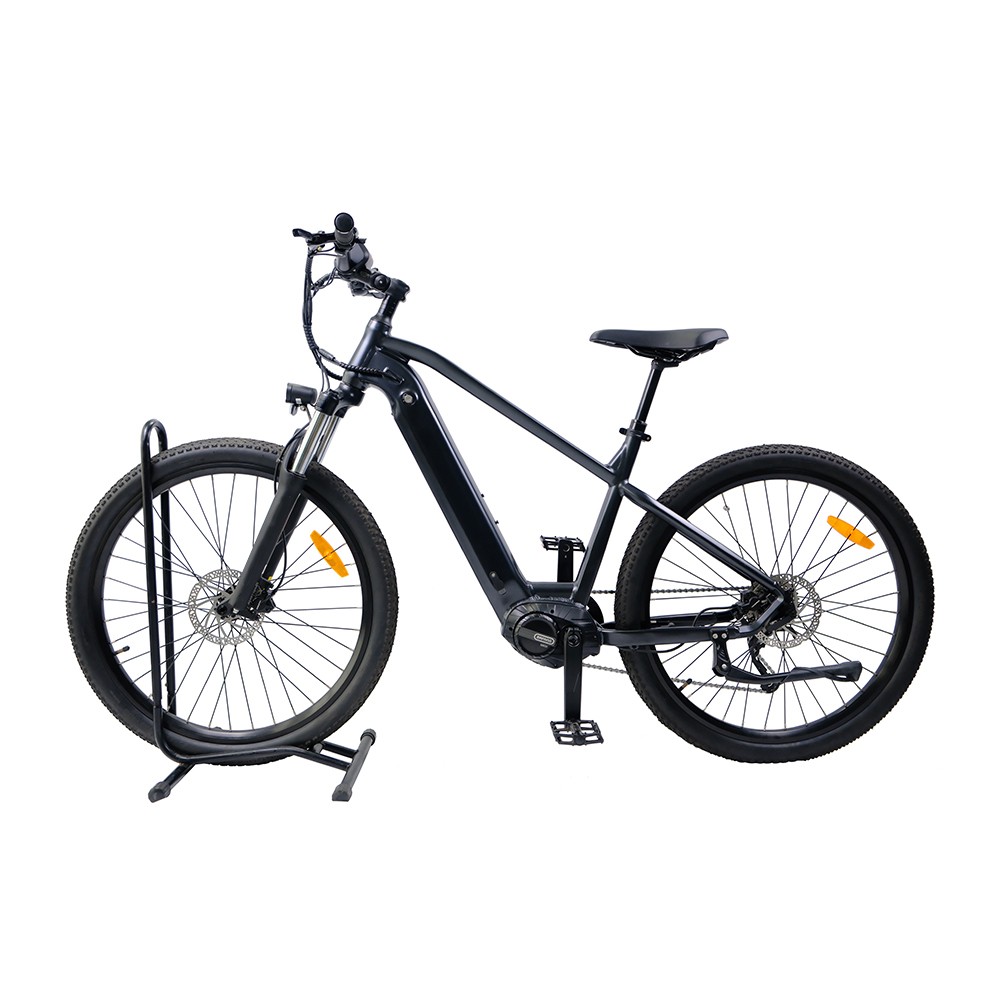
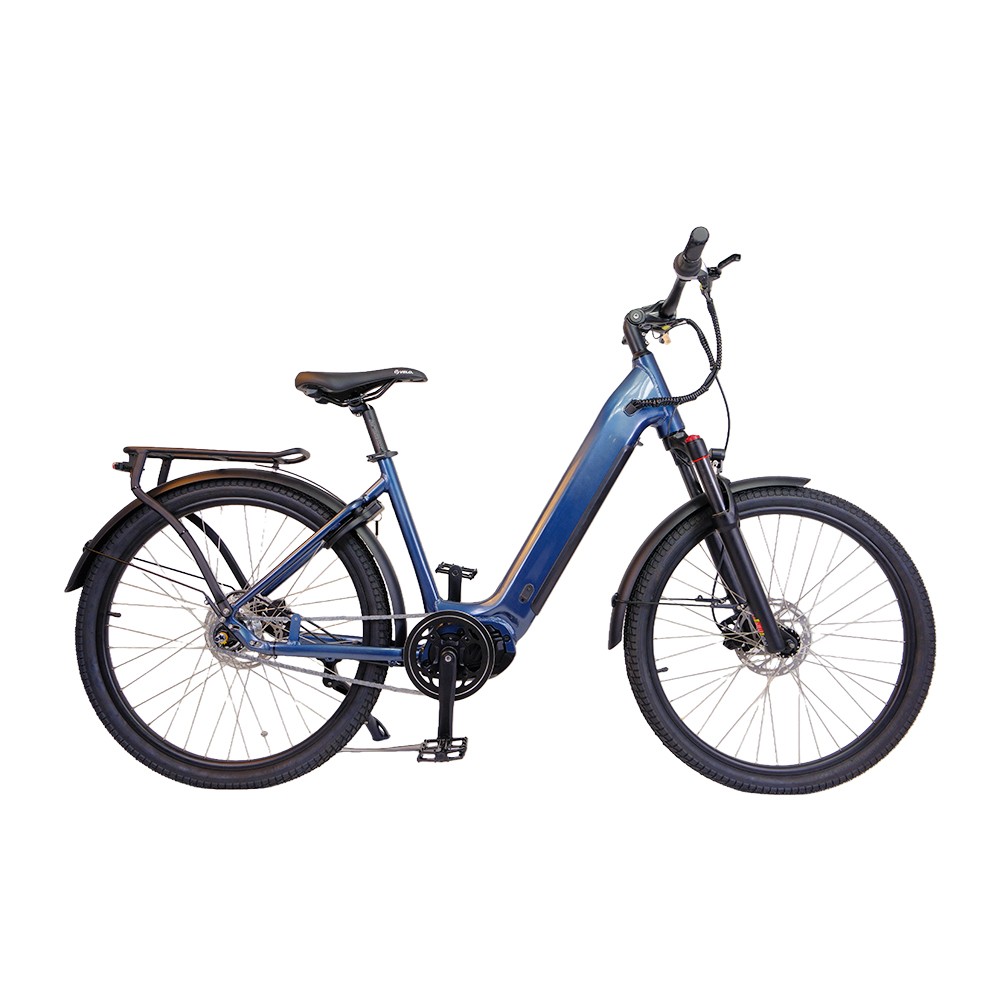
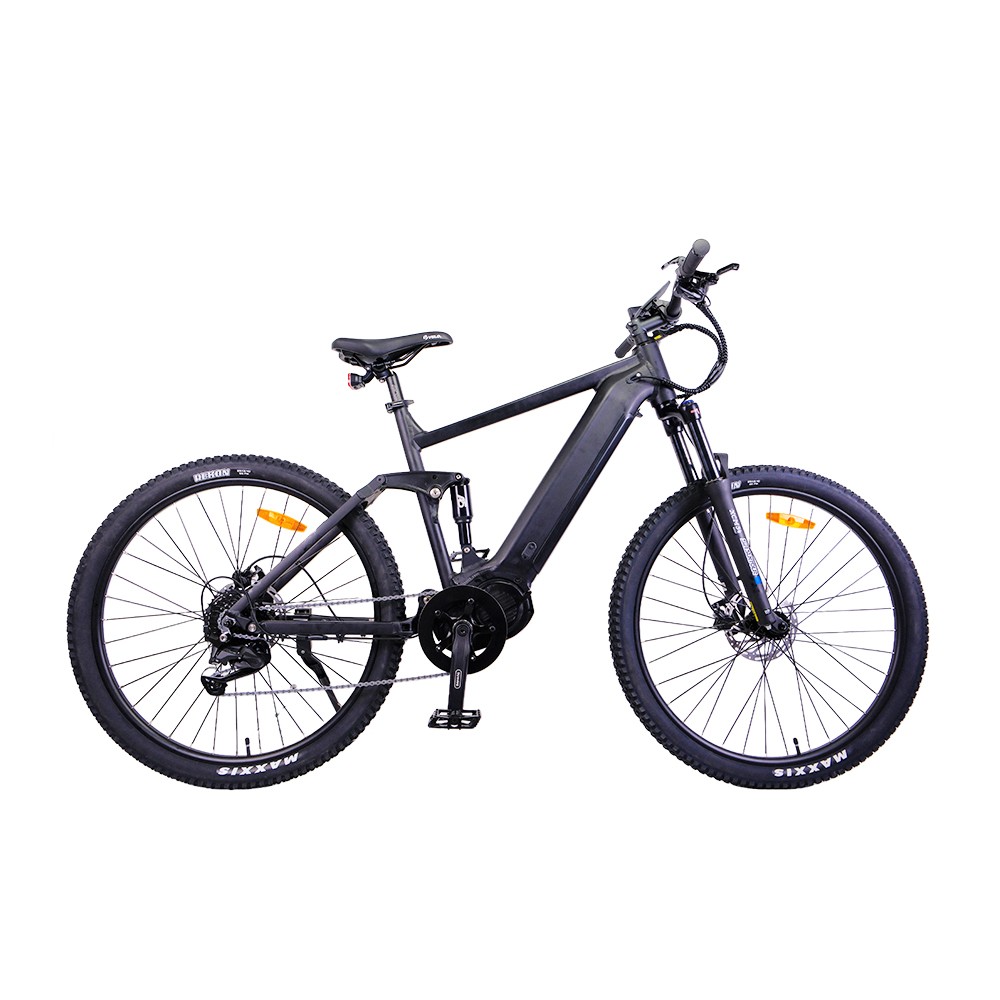
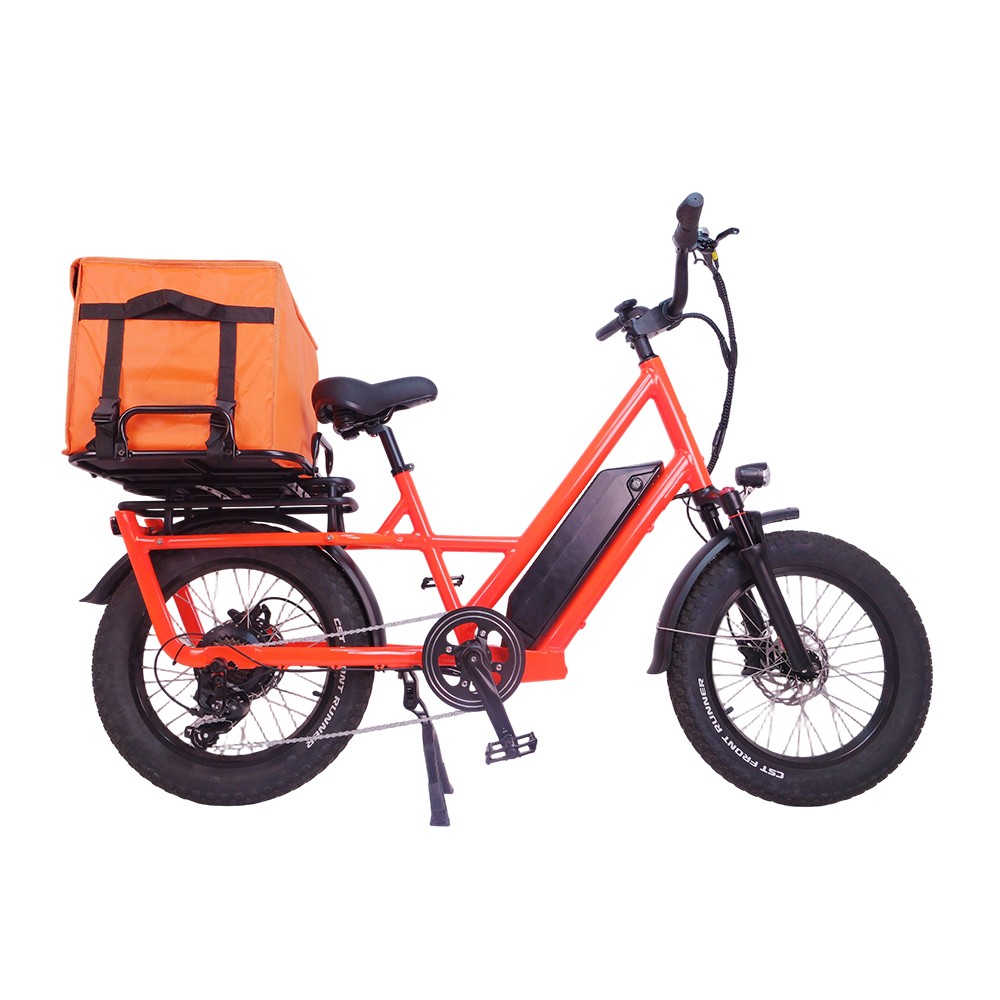
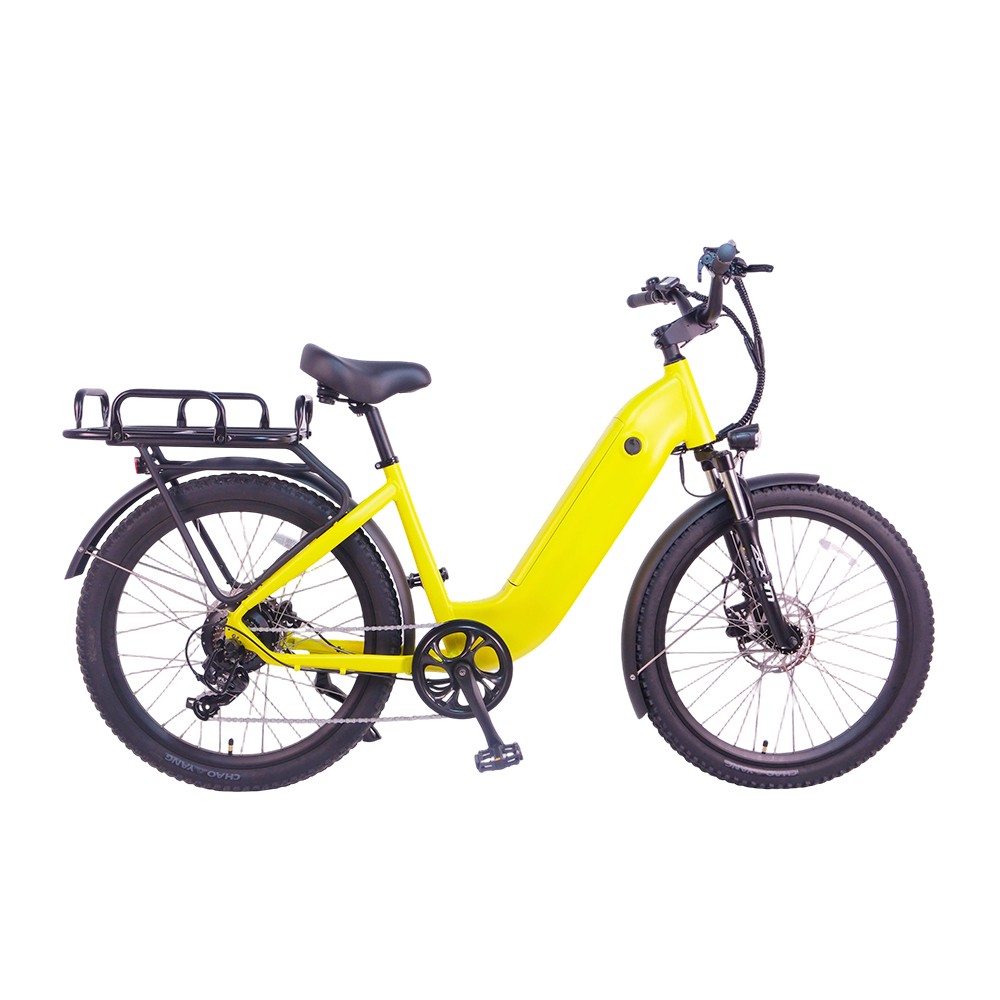
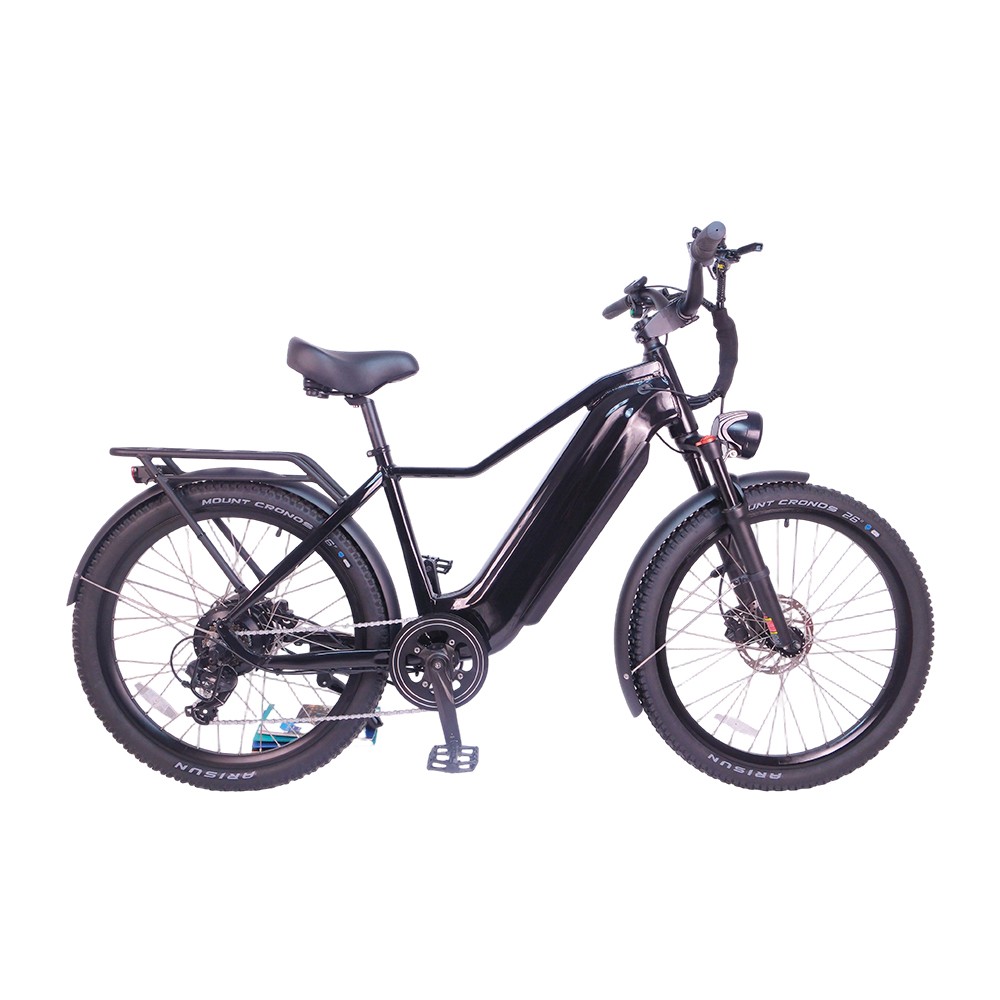
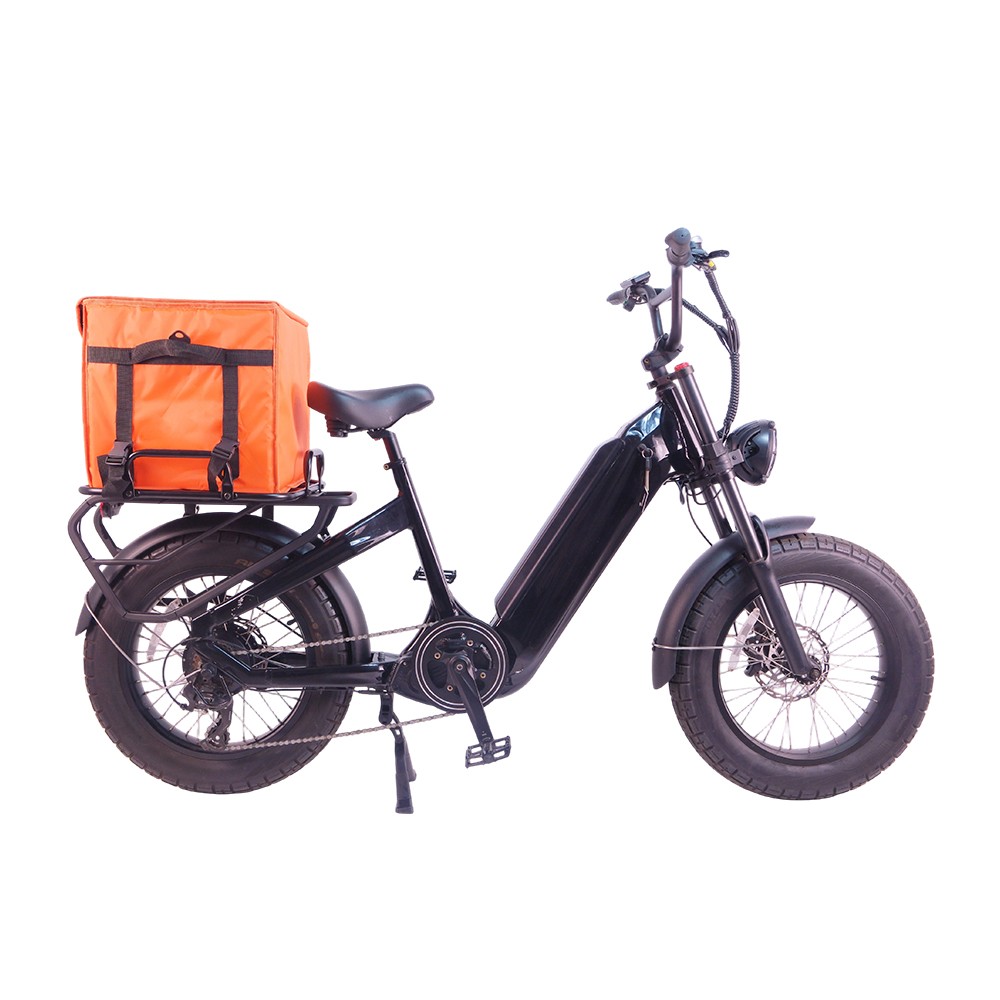
Standard consumer e-bikes are gradually phased out from fleets. Manufacturers launch delivery-specialised models featuring reinforced frames, enhanced load capacity, durable brakes and dedicated mounting points for delivery bags. Mid-drive motors (500W–750W) become mainstream, balancing climbing performance, power efficiency and local legal speed limits. Modular designs simplify component replacement to cut downtime and maintenance costs.
3. Battery Swapping & BaaS (Battery-as-a-Service) Become Mainstream
Plug-in charging cannot satisfy high-intensity delivery fleets. Swappable battery systems enable power replenishment within 60–90 seconds and eliminate long charging waits. Many operators separate vehicle and battery ownership via subscription-based BaaS models. This lowers initial capital expenditure, standardises battery maintenance and supports smart battery monitoring networks. Cross-brand battery interoperability is an emerging industry goal.
4. Intelligent Connected Fleets: Telematics & IoT Integration
New commercial e-bikes come equipped with built-in IoT modules. Functions include GPS tracking, real-time battery data collection, fault alerts, speed monitoring and remote diagnostics. Combined with cloud fleet management platforms, operators implement predictive maintenance, track vehicle utilisation, detect reckless riding and reduce unexpected breakdowns. Smart battery monitoring systems (covered in your previous topic) are increasingly mandatory for large rental and delivery fleets.
5. Rise of Rental & Managed Fleet Business Models
Instead of purchasing vehicles outright, delivery platforms and independent couriers prefer flexible long/short-term rental schemes. Specialised fleet service providers offer one-stop packages: e-bike leasing, battery supply, regular maintenance and roadside support. This asset-light model attracts gig workers and logistics companies that avoid risks of vehicle depreciation and residual value losses.
6. Stricter Safety & Compliance Standards
Regulations tighten globally for commercial two-wheelers. Key requirements cover maximum power output, weight limits, braking performance, lithium battery thermal safety and certification standards (CE, UL etc.). Authorities impose stricter restrictions on unmodified high-speed models. Fire risk control for batteries pushes OEMs to upgrade multi-protection BMS and thermal management systems.
7. Sustainability Pressures Accelerate Electrification
ESG targets, carbon reporting rules and urban zero-emission policies drive logistics firms to phase out internal combustion engine vehicles. Commercial e-bikes help platforms reduce Scope 3 emissions, qualify for government incentives and improve public eco-friendly brand image. Many cities restrict fossil-fuel delivery vehicles in central zones, creating mandatory electrification drivers.
8. Consolidation & Supply Chain Optimisation
Fleet buyers favour fewer unified vehicle models to simplify spare parts inventory and maintenance training. Large fleet operators negotiate direct bulk procurement with OEMs. Meanwhile, continuous lithium battery cost declines further improve the return on investment cycle for commercial e-bikes.
9. Expanding Application Scenarios
Beyond food delivery, demand grows for pharmacy delivery, courier services, catering distribution and municipal light logistics. Cargo e-bikes with larger load capacity capture market share for bulk urban last-mile transport, forming diversified demand away from pure food delivery.