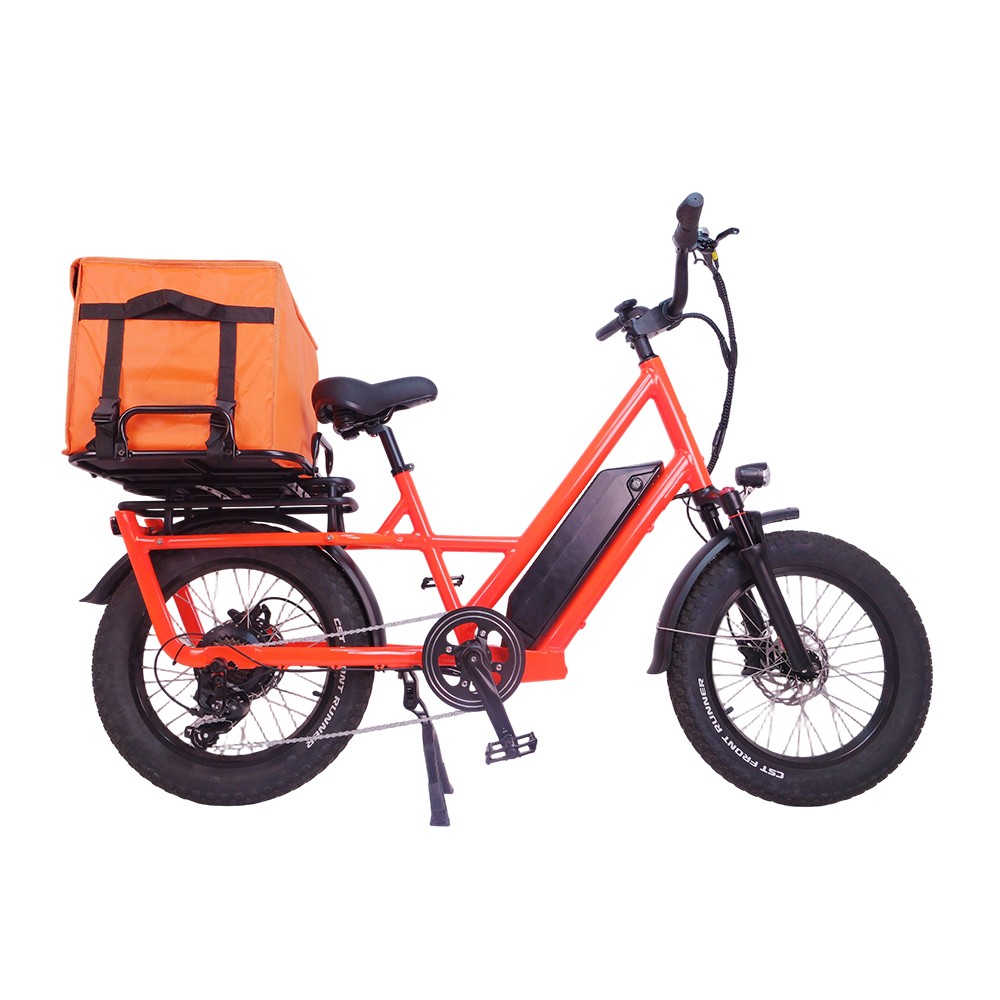
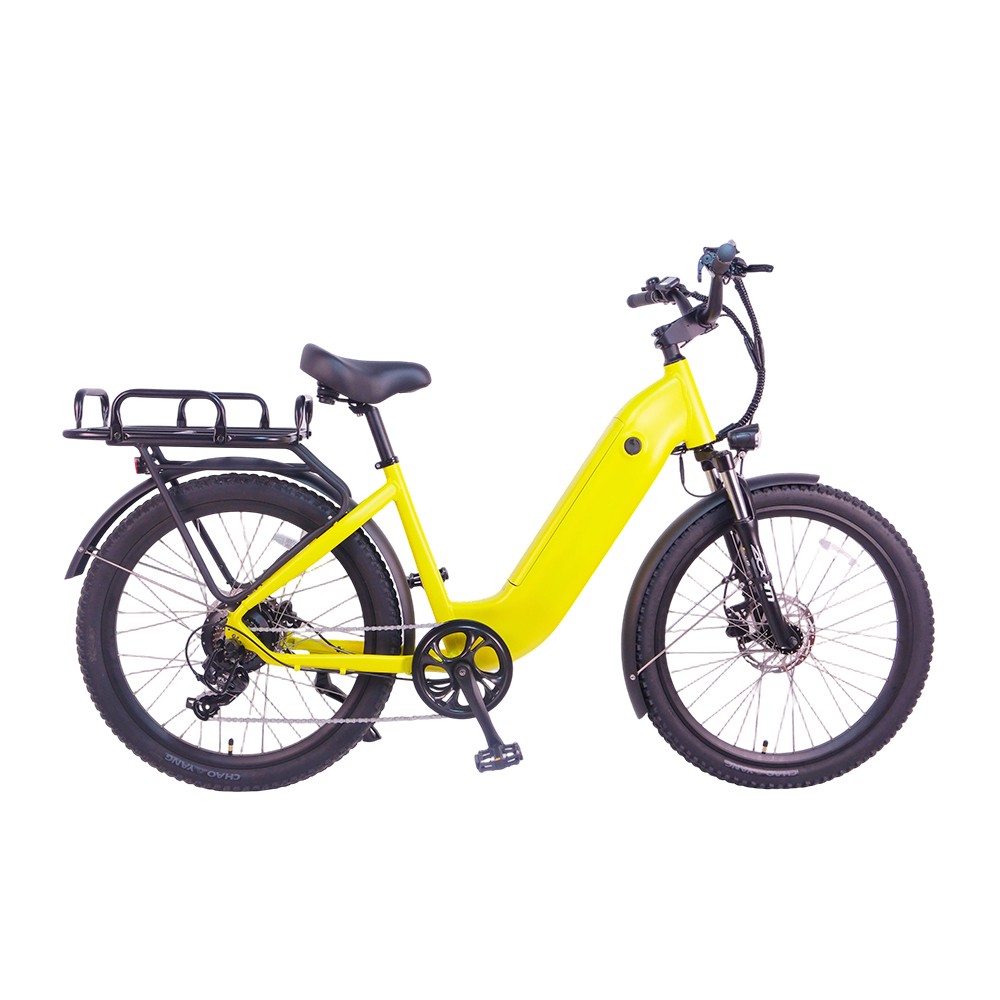
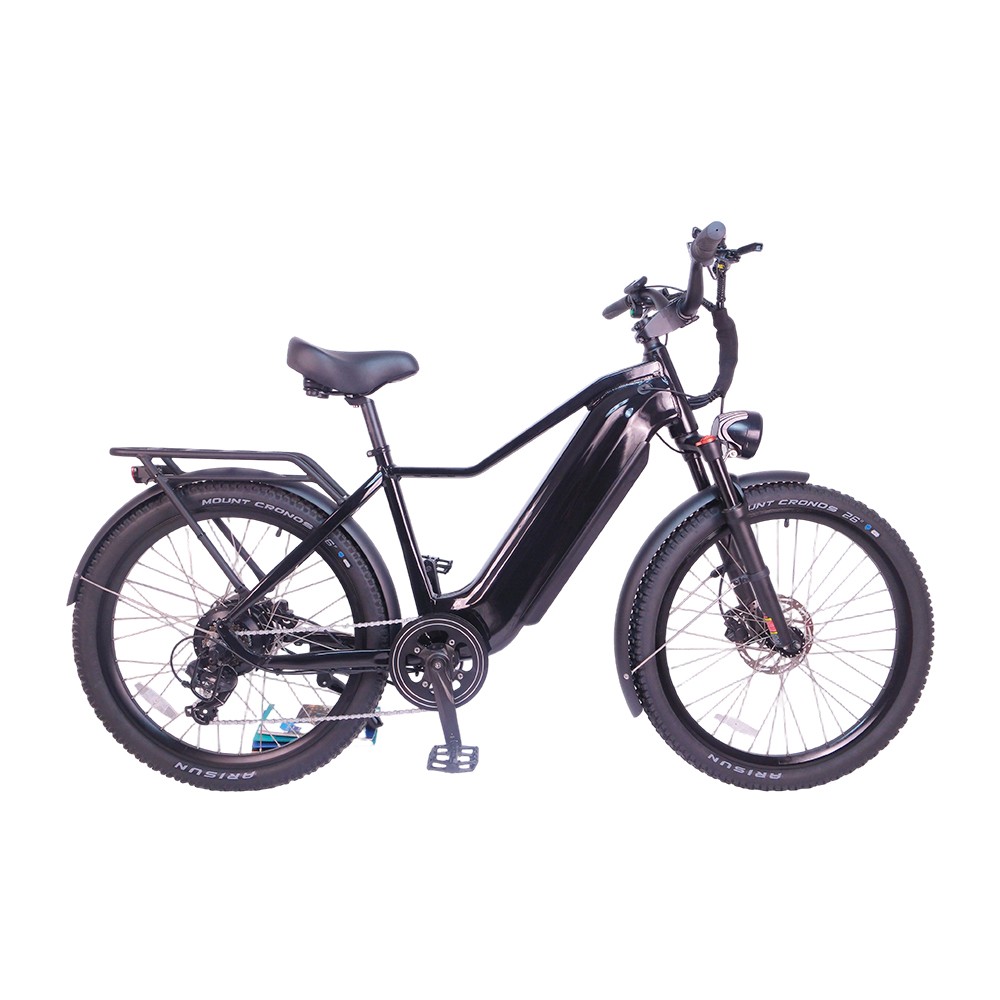
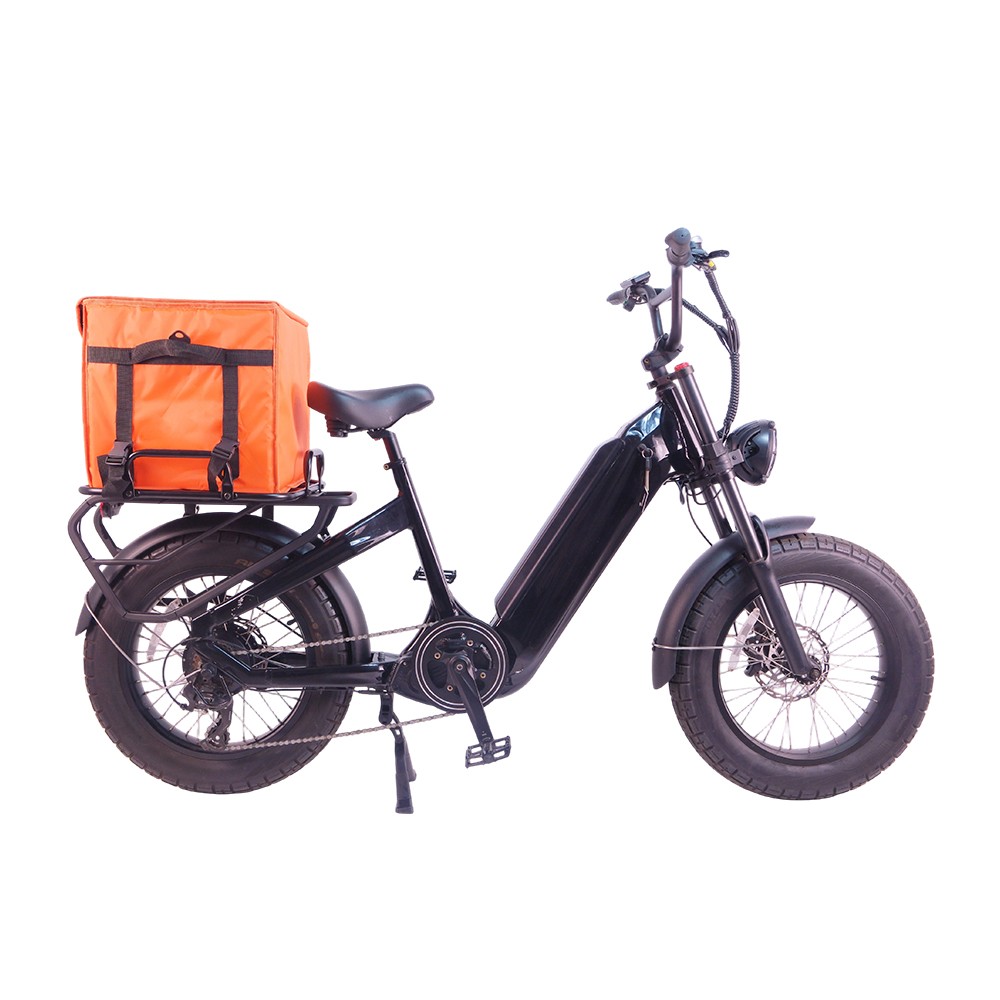
E-bike rental businesses (B2C subscription, tourist hire and B2B delivery-rider leasing) face structural operational, financial, regulatory and technical challenges, especially across European urban markets.
1. High upfront capital & heavy asset pressure
· Commercial-grade delivery-spec e-cargo bikes require large initial investment; high-quality fleets cost €3 000-8 000 per unit.
· Operators bear full depreciation risk. Heavy-use delivery bikes wear much faster than consumer bikes, shortening usable fleet life.
· Battery packs represent the largest cost component. Battery degradation forces costly replacements every 2-4 years, raising long-term OPEX.
· Small local rental firms struggle with limited funding for fleet expansion, telematics systems and spare-part inventory.
2. Theft, vandalism and improper user behaviour
· Bikes and removable batteries are high-value theft targets. Annual fleet loss or damage can reach 8-15 % in dense cities, directly eroding profitability.
· Delivery riders subject bikes to extreme stress: overloading, rough kerb handling, improper parking, accelerating wear of brakes, tyres and drivetrains.
· Disputes arise over who pays for damage: normal wear-and-tear versus rider-caused negligence, creating administrative overhead and bad-debt risk.
3. Maintenance, downtime and spare-part bottlenecks
· Delivery fleets require frequent servicing. When a bike breaks down, riders lose income, so operators must supply backup replacement bikes, increasing fleet size requirements.
· Long repair lead-times take vehicles out of revenue-generating service.
· Supply-chain volatility makes spare parts hard to source, especially for specialised cargo-e-bike models.
4. Seasonality and unstable fleet utilisation
· In temperate and Northern-European markets, cold, rain, snow sharply cut demand in winter months. Many bikes sit idle while fixed costs (insurance, storage, loan repayments) continue.
· For B2B delivery leasing: demand fluctuates with food-delivery market cycles. Rider churn creates frequent vehicle hand-overs, inspection and re-conditioning work.
5. Regulatory fragmentation & compliance burden
· Rules differ widely between countries and even neighbouring cities: speed limits, helmet requirements, insurance obligations, licensing for S-pedelec 45 km/h models, battery safety certification standards.
· New lithium-ion-battery safety regulations push up procurement costs for fleet operators.
· Municipal permitting, operating-zone restrictions and potential fines complicate cross-city scaling for rental providers.
6. Insurance and liability risks
· Commercial-use insurance for delivery-rider fleets costs significantly more than private-user policies.
· Operators face third-party liability if rental vehicles cause traffic accidents. Risk rises further when untrained freelance riders operate heavy cargo e-bikes.
7. Infrastructure limitations
· Lack of secure depot space, charging capacity and grid constraints in city centres complicate fleet-charging operations, especially for large delivery fleets.
· Poor cycling infrastructure raises accident risk and discourages potential customers.
8. Competitive pressure & margin compression
· Mature markets see intense price competition, pushing down monthly rental rates. Many operators rely on high-utilisation levels to break even; low utilisation quickly turns operations unprofitable.
· Competition comes from multiple sources: competing rental firms, second-hand e-bike purchases, subsidised in-house fleets run directly by food-delivery platforms such as Wolt, and competing motor-scooter rental offers.
9. Battery-related technical risks
· Low temperatures reduce lithium-ion battery real-world range by 30 % or more in winter, generating user complaints from delivery riders who cannot finish full shifts on one charge.
· Swappable-battery solutions improve uptime but add hardware complexity and capital outlay.
10. Customer-churn and contract-management complexity (B2B delivery rental)
· High rider turnover means frequent vehicle return, inspection, cleaning and re-renting.
· Deposit management, late-payment collection and contract enforcement against individual freelance couriers create administrative workload.