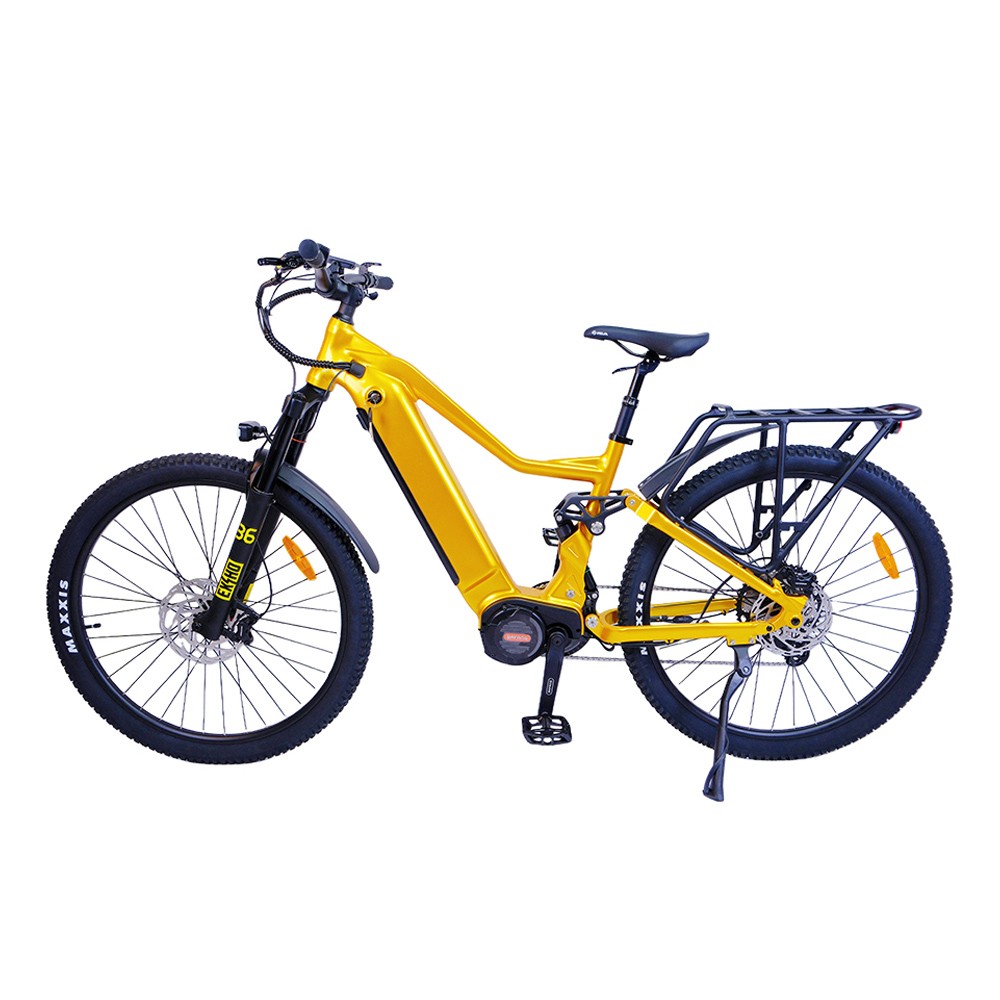
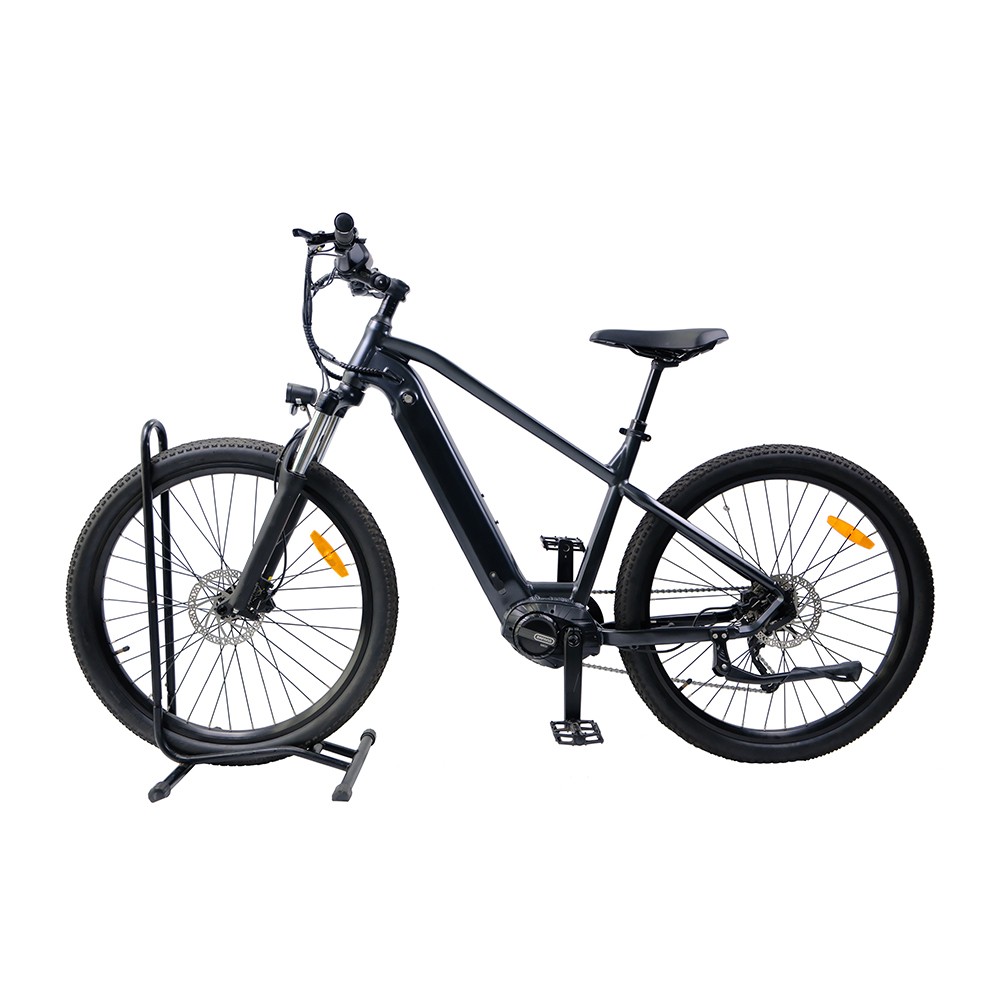
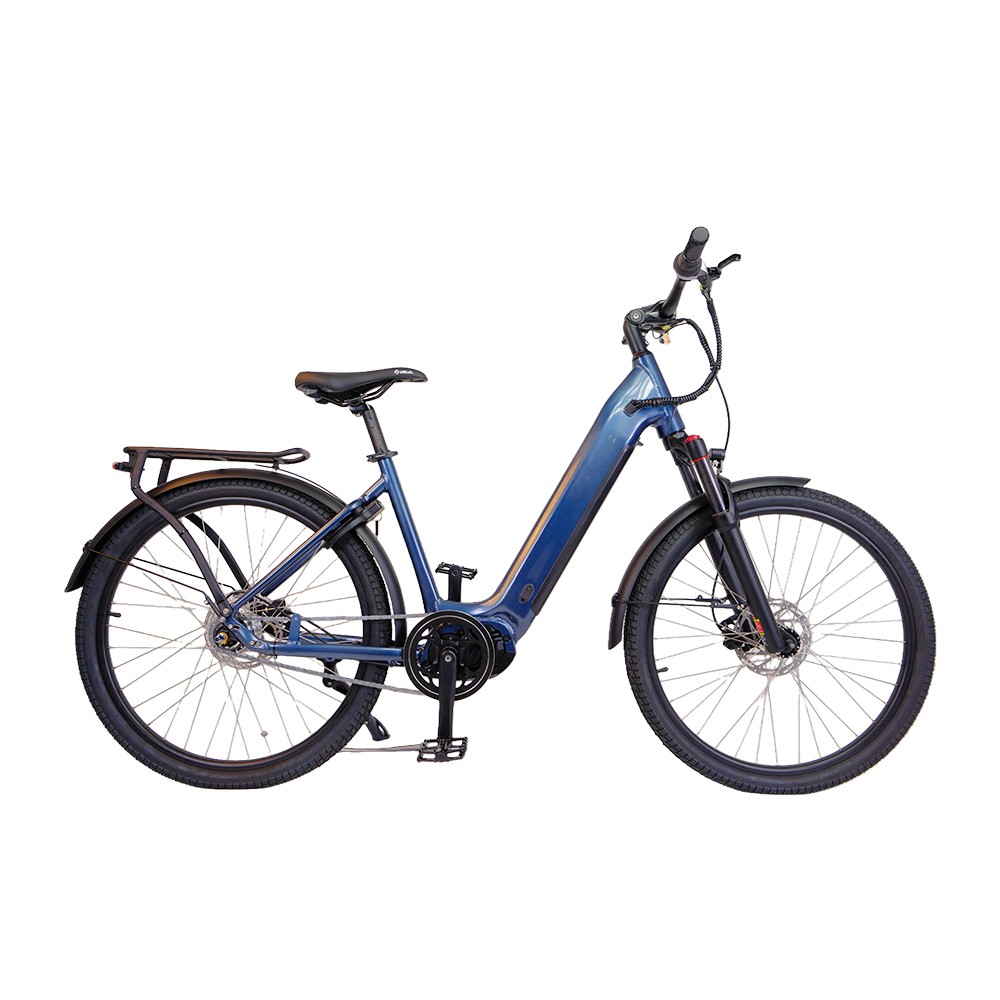
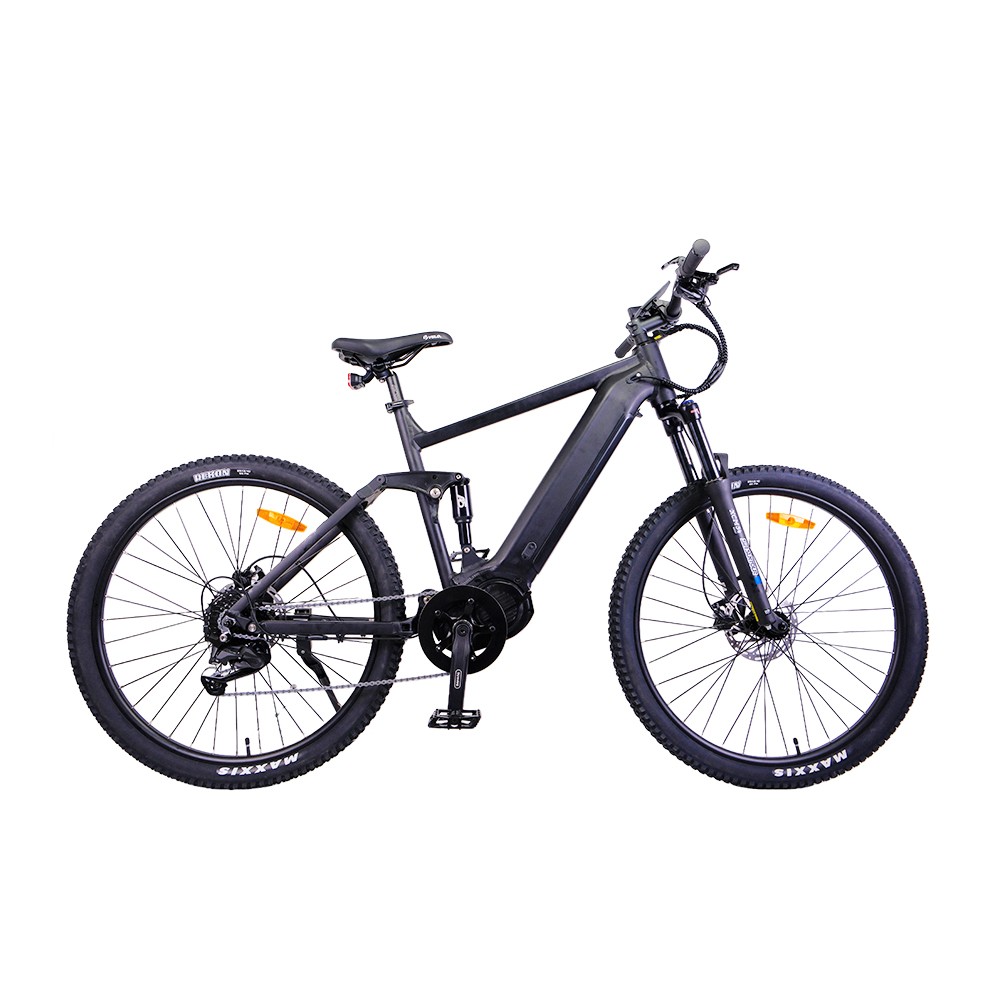
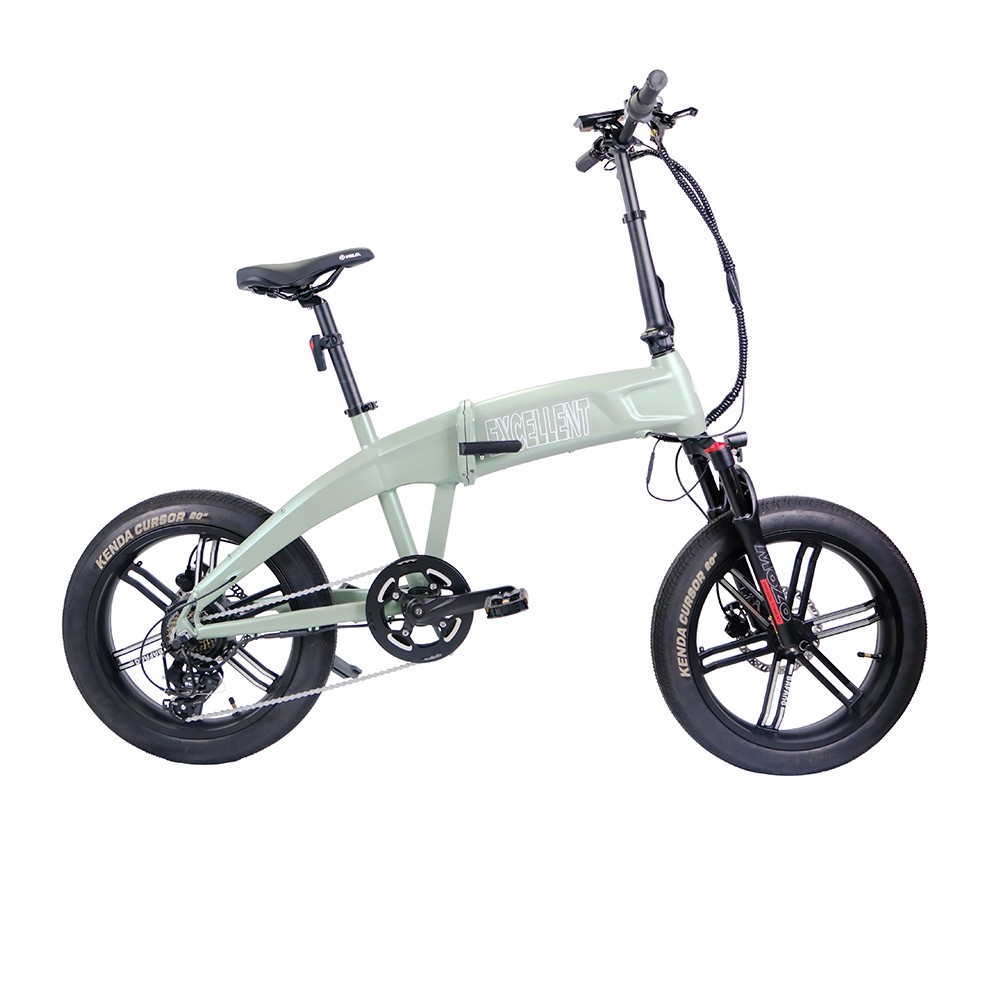
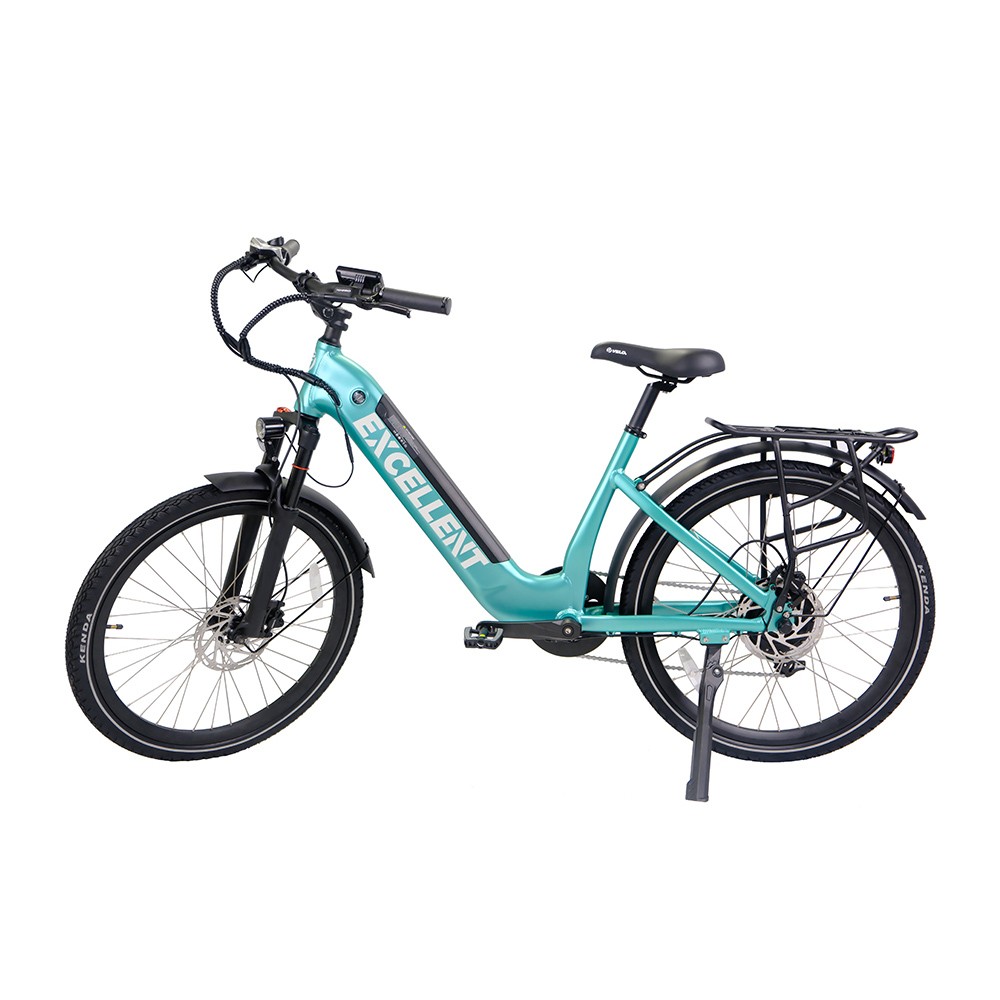
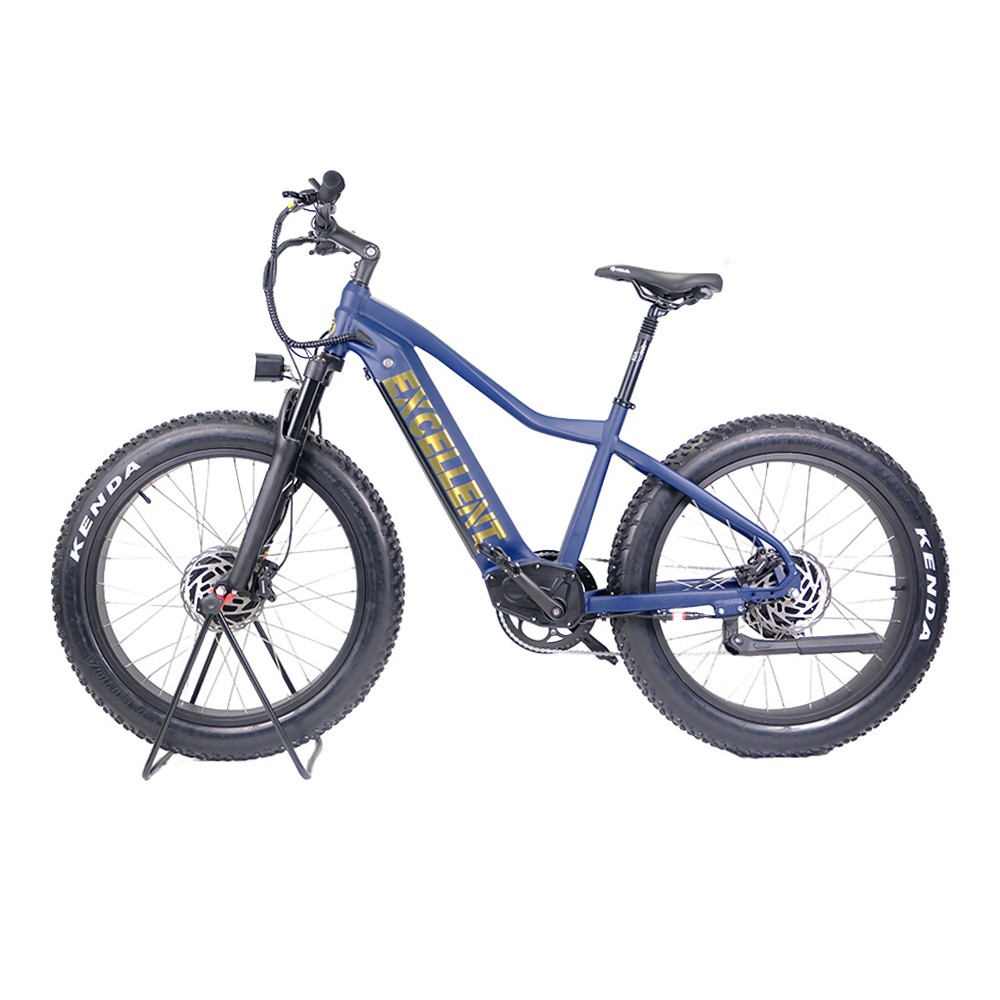
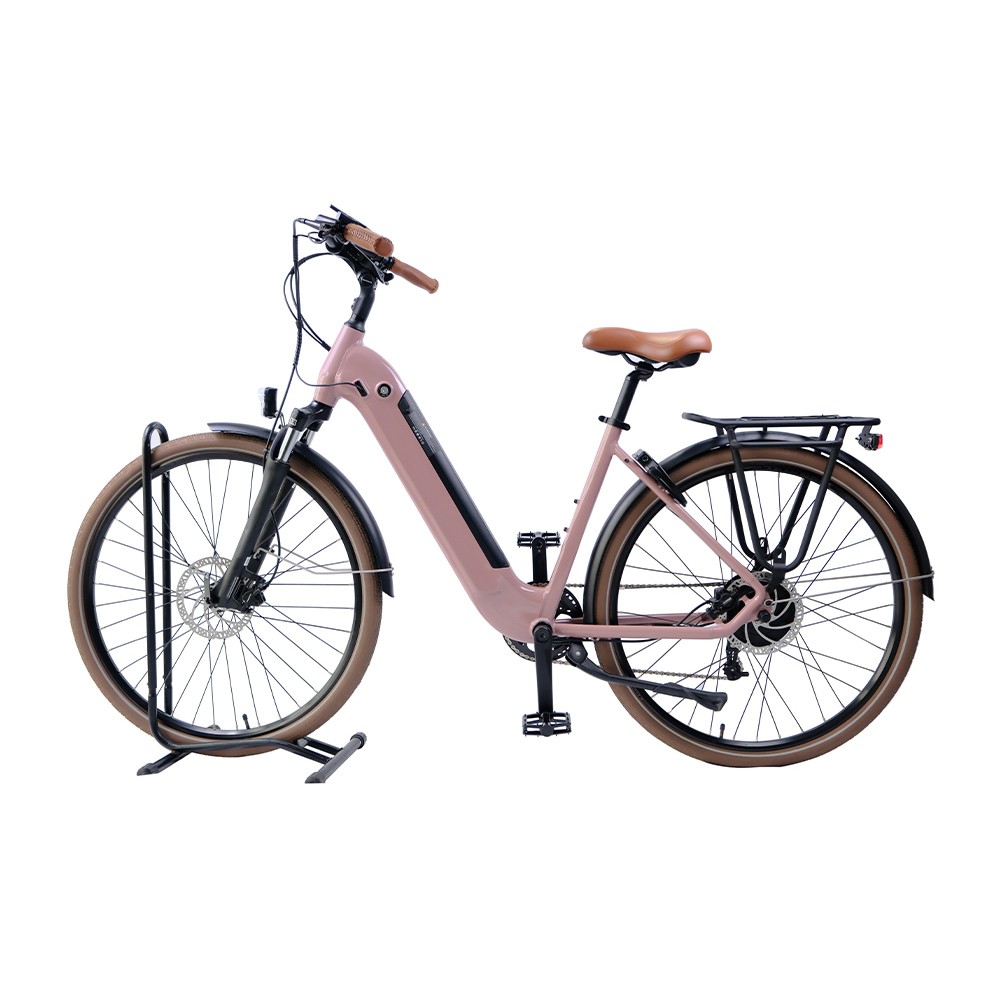
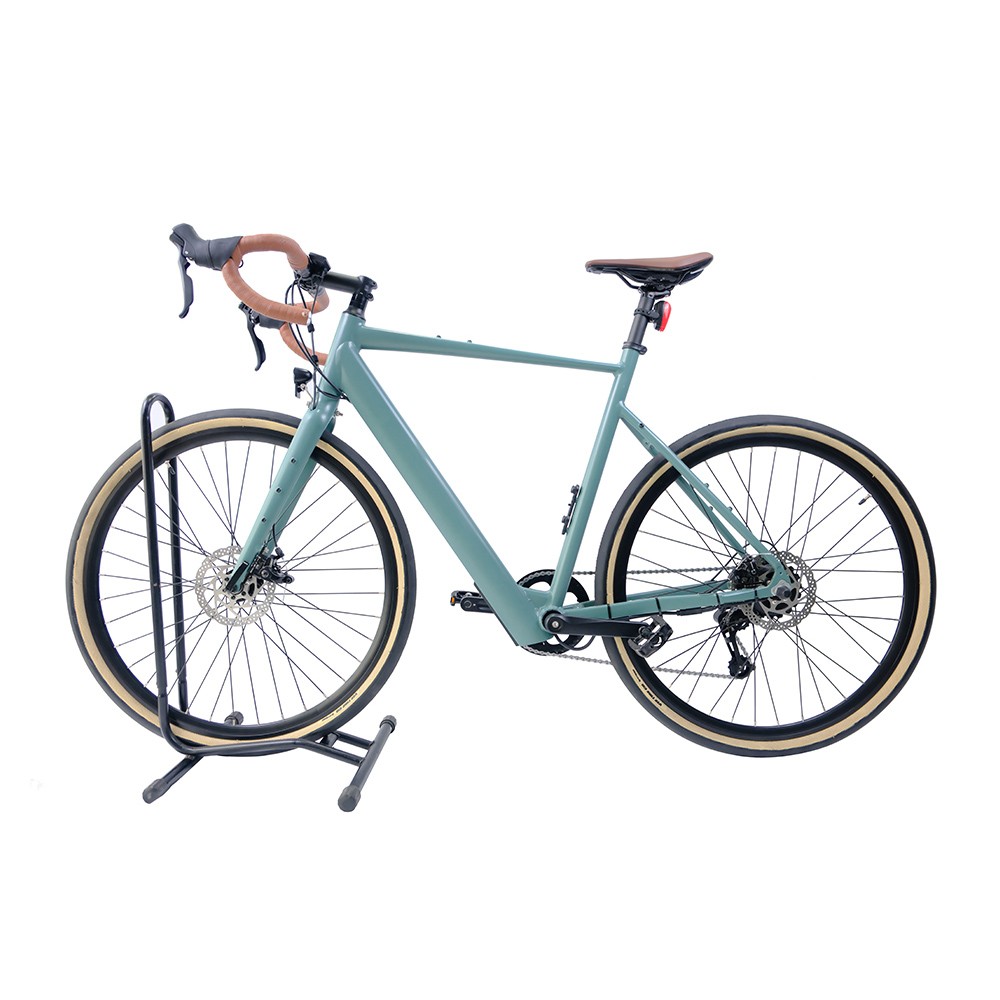
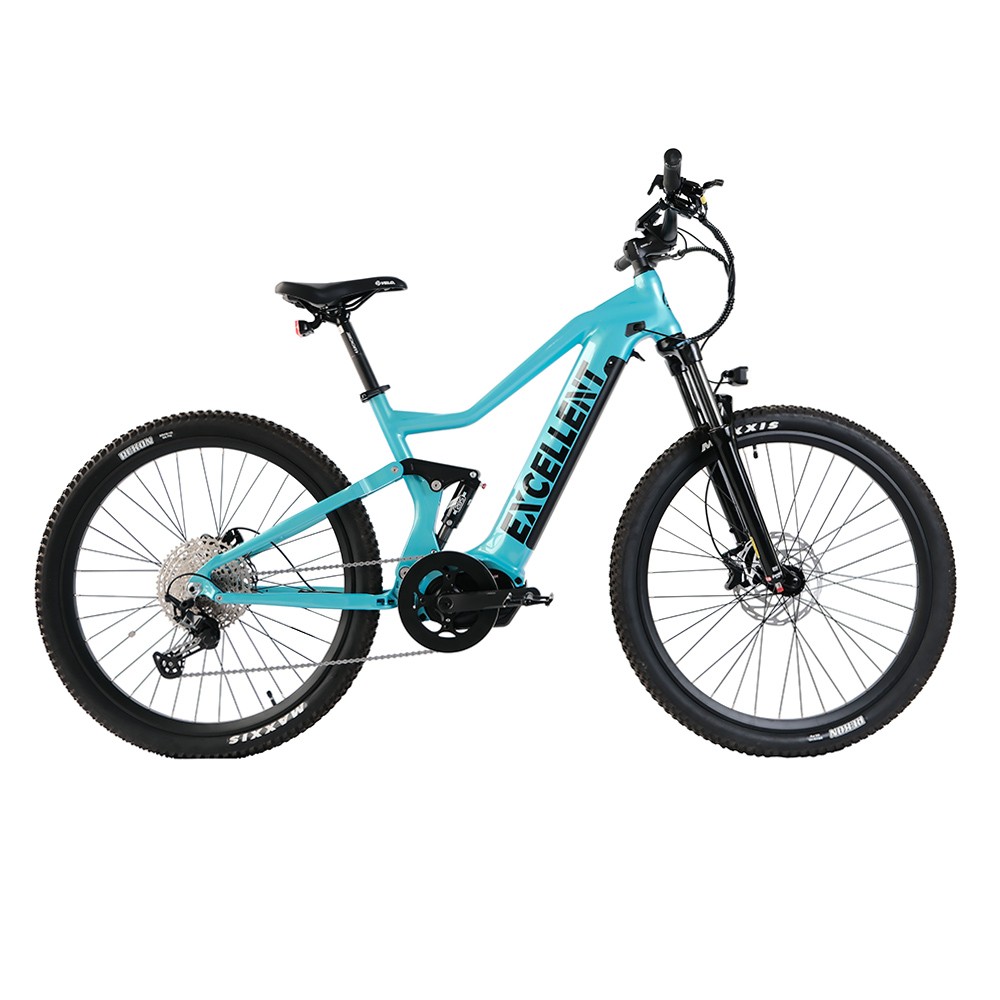
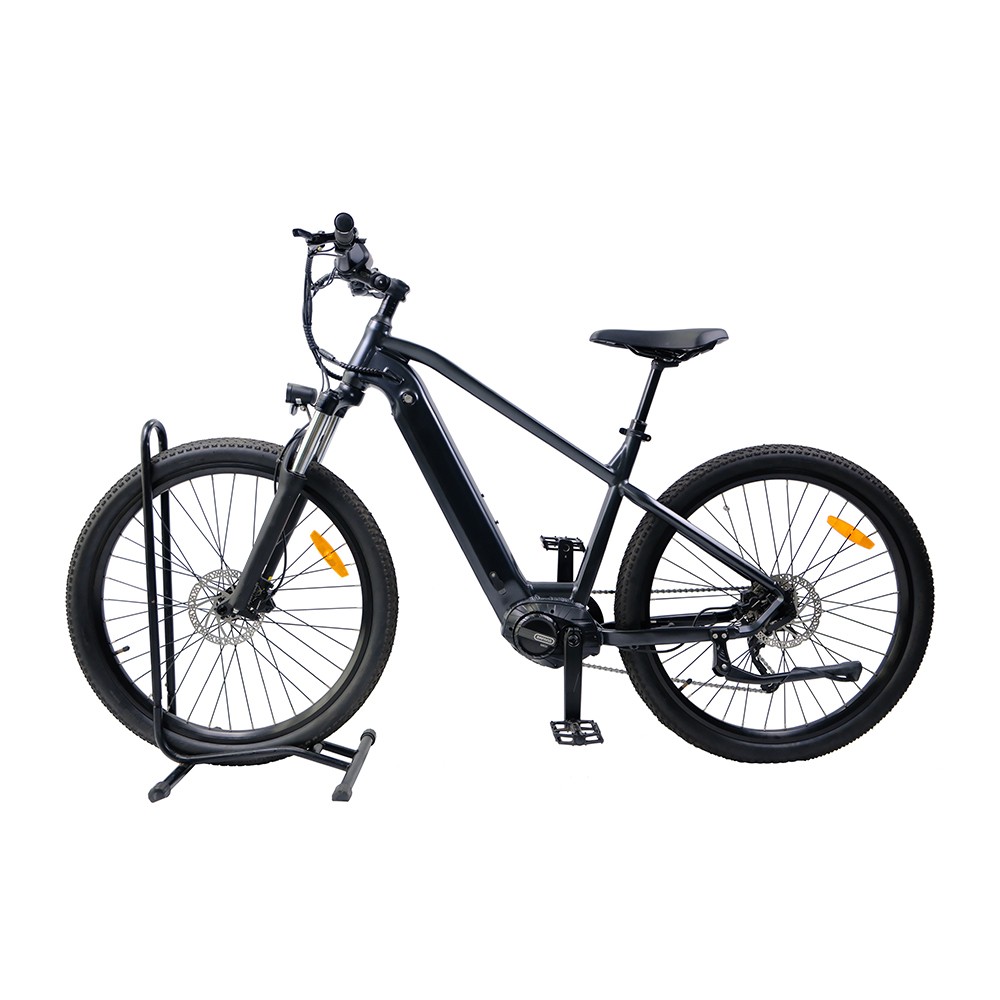
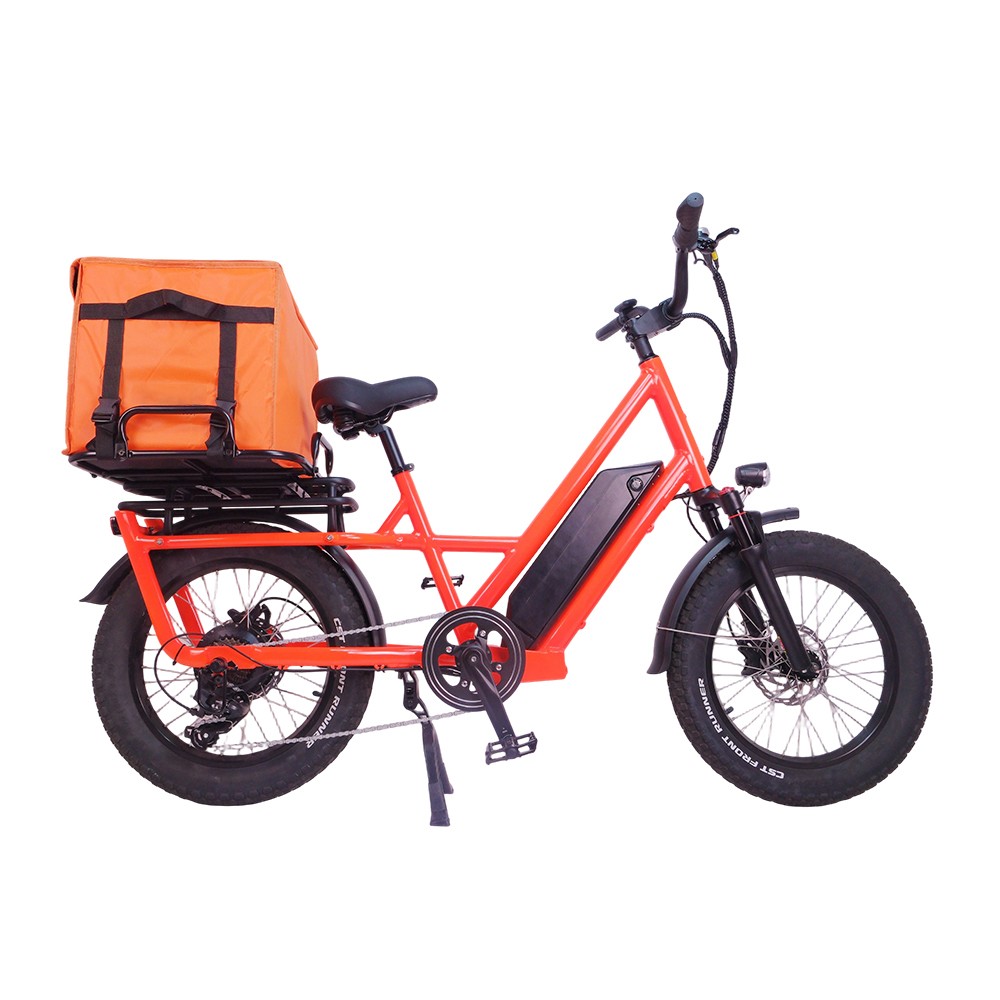
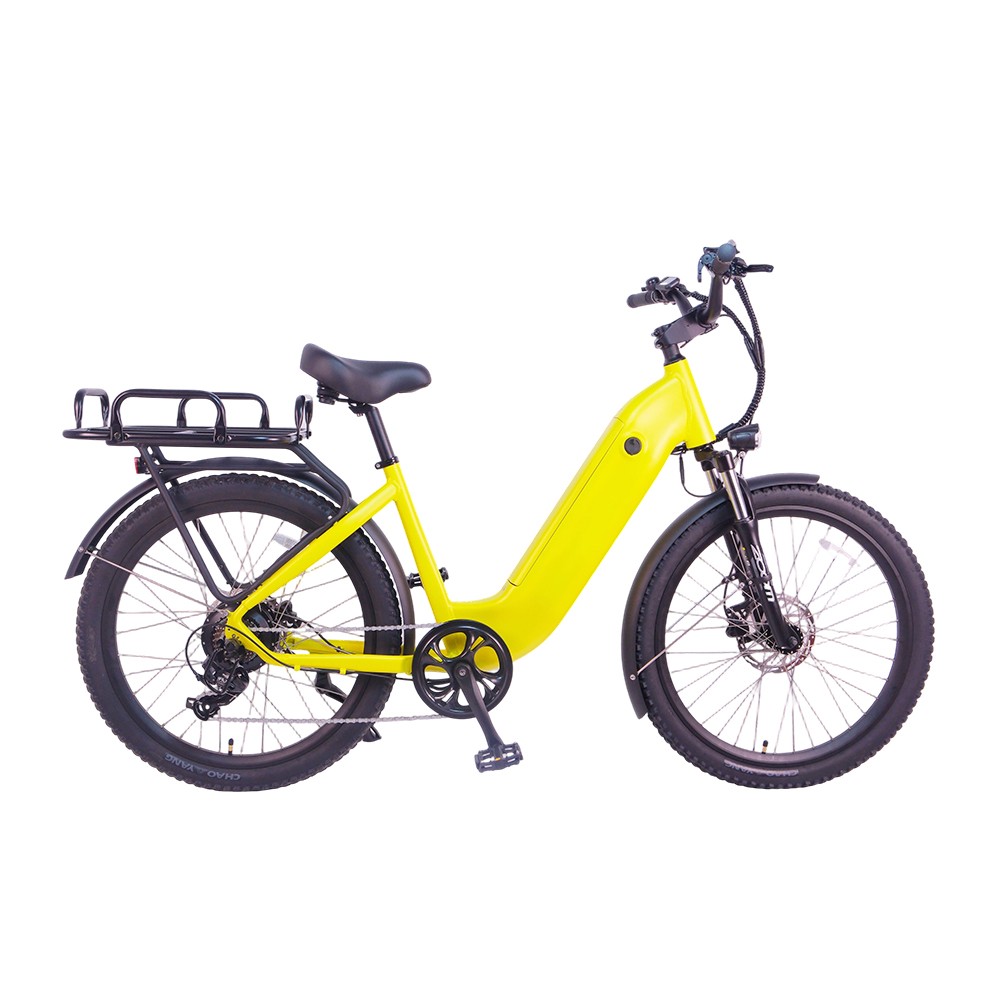
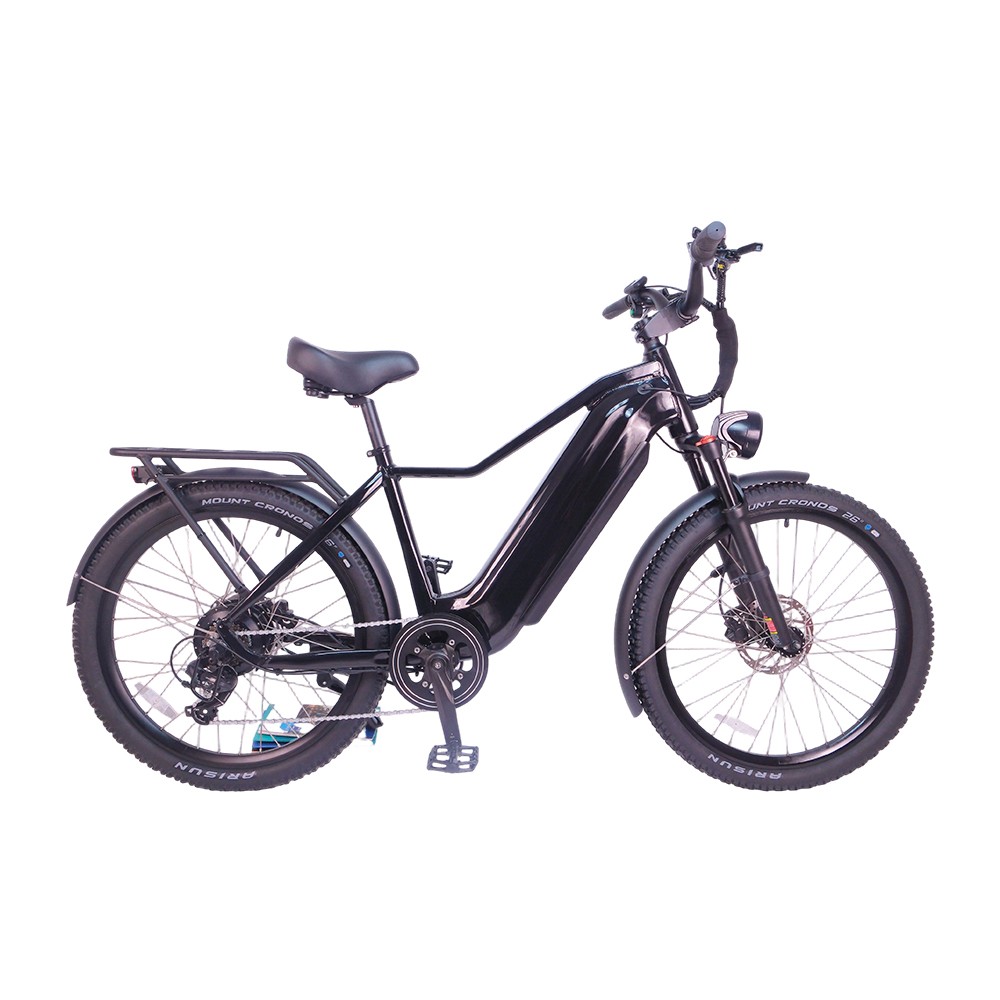
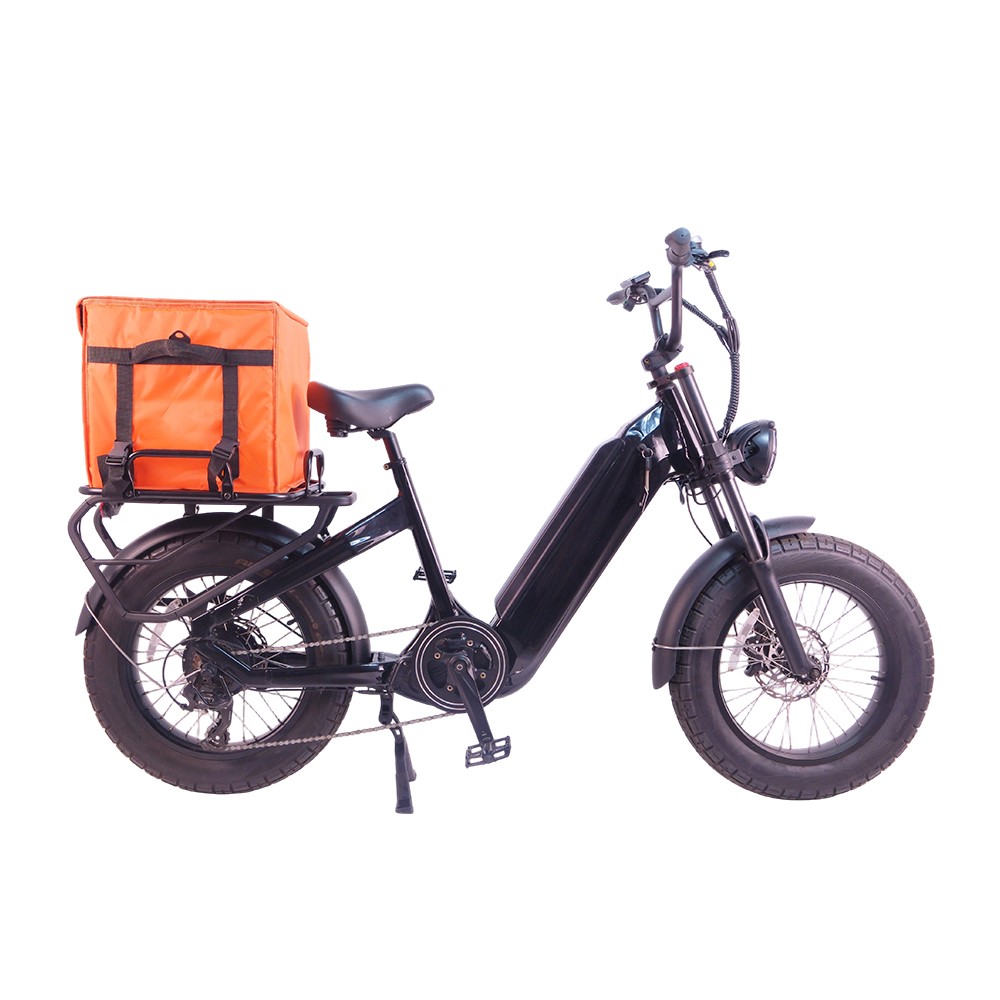
The better choice between a food delivery bike and a scooter depends entirely on your delivery environment, upfront budget, and local traffic laws. E-bikes dominate dense city centers with shorter routes due to zero fuel costs and fewer legal restrictions. Gas-powered or high-speed seated scooters win in vast suburban areas where distance and speed are required to make deliveries profitable
Direct Comparison
|
Feature |
Electric/Standard Bike (E-Bike) |
Scooter (Gas / Heavy Moped) |
|
Best For |
Dense down towns, short-distance urban areas |
Suburbs, medium-to-long distance routes |
|
Top Speed |
Lower (typically capped at 25–32 km/h) |
Higher (50–100 km/h) |
|
Upfront Costs |
Low to Moderate (£500 – £2,000) |
High (£1,500 – £4,000+) |
|
Running Costs |
Negligible (electricity only) |
Moderate (fuel, oil, engine maintenance) |
|
Legal Rules |
No licence, insurance, or road tax needed |
Requires driving licence, registration, and insurance |
|
Parking & Paths |
Easy parking; can use bike lanes/sidewalks |
Restricted to roads; standard vehicle parking |
|
Physical Effort |
Moderate to High (pedaling required) |
Low (twist-and-go throttle) |
